
Living in Bristol means you’re surrounded by parks, rivers and a lively community that cares about the planet. Whether you’re new to the city or have lived here for years, you’ll find plenty of ways to get involved in environmental projects that make a real difference.
First off, understand the two big buckets of environmental work in the area: conservation & biodiversity and climate action & sustainability. Conservation groups protect local wildlife, clean up rivers, and maintain green spaces. Climate action teams focus on reducing carbon footprints, promoting renewable energy, and advocating for greener policies.
There isn’t a one‑size‑fits‑all group. Some groups run weekly river clean‑ups, others organize community gardens, and a few focus on lobbying the council for better recycling rules. To pick the right fit, think about what matters most to you. Do you love getting your hands dirty in a park? A local conservation charity like Bristol Wildlife Trust might be a good match. Prefer policy work? Look for climate‑justice networks that hold public meetings and write to local representatives.
Most groups welcome volunteers of all skill levels. You don’t need a degree in ecology to help plant trees or sort litter. Many provide short training sessions, so you can jump in with confidence.
Want to start small? Here are three quick actions you can take right now:
These steps add up. When many people make small changes, the city’s overall carbon footprint drops, and wildlife gets a better chance to thrive.
Another easy win is to talk about what you’re doing. Share your experiences on social media, at work, or with neighbours. Word‑of‑mouth spreads faster than any flyer, and it could inspire a whole street to start a compost bin.
Finally, keep an eye on the latest posts in our Environment category. We regularly feature guides on the top environmental charities to support in 2025, explain how different groups tackle pollution, and give you the low‑down on the biggest climate challenges facing Bristol right now.
All the information you need to get started is right here. Pick a group, take one of the quick actions above, and watch how your small effort fits into a larger movement that’s shaping a greener Bristol for everyone.

Discover the two main groups of environmental components: biotic (living) and abiotic (non-living) factors. Learn how they interact to sustain ecosystems.
More
Discover the five major roles of environmental groups, from legal enforcement and political lobbying to scientific research and community education. Learn how these organizations drive real-world change.
More
Explore how your physical surroundings impact mental health. Learn about environmental depression, solastalgia, and practical ways to boost wellbeing through nature.
More
Explore the key classifications of the environment: physical, biological, socio-cultural, and built. Understand how these layers interact and why holistic thinking is essential for effective environmental action.
More
Explore the three main groups of environmental problems: air, water, and land. Learn how pollution affects each domain, their interconnectedness, and practical steps you can take to help protect the environment.
More
Discover the highest-rated environmental charities in 2026. We compare top NGOs like The Nature Conservancy and Rainforest Alliance based on financial efficiency, impact, and transparency to help you donate wisely.
More
Discover the 4 categories of ecosystem services: provisioning, regulating, cultural, and supporting. Learn how nature provides essential goods, regulates climate, enriches culture, and sustains life.
More
Discover the 6 levels of environmental organization, from individual organisms to the global biosphere. Understand how these layers connect to help you make sense of ecology and conservation efforts.
More
Discover five real-world examples of environments-from forests and cities to workplaces and social networks-that shape your daily life. Learn how each one impacts health, behavior, and well-being.
More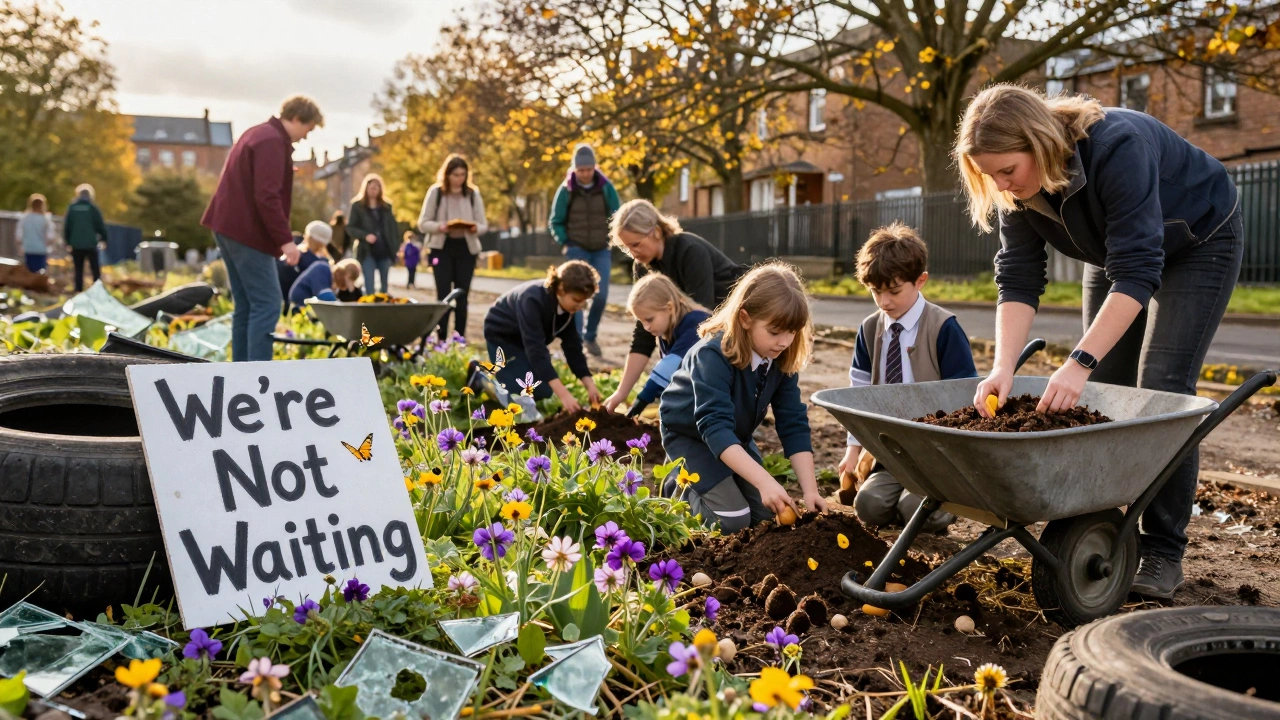
Five real-life community environmental groups in Scotland show how local action-without big budgets or bureaucracy-creates lasting change for nature and neighborhoods.
More
Learn the seven levels of ecological organization-from individual organisms to the biosphere-and how they help explain how nature connects and why conservation works at different scales.
More
An environment group is an organized effort to protect nature, reduce pollution, and fight climate change. These groups range from local volunteers to global nonprofits, using advocacy, science, and legal action to drive real change.
More© 2026. All rights reserved.