
Classifications of the Environment: Biological, Physical, and Social
 Jul, 5 2026
Interactive Environmental Impact Simulator
Step 1: Select an Environmental Classification to impact.
Physical
Abiotic factors like atmosphere, water, and soil.
Biological
Living organisms, biodiversity, and ecosystems.
Socio-Cultural
Human society, economy, politics, and culture.
Built
Man-made structures, cities, and infrastructure.
Step 2: Choose a specific event within that classification.
Impact Analysis
When you step outside your front door, you are entering a complex system that scientists, policymakers, and everyday people try to make sense of. But what exactly is this "environment" we talk about so much? It isn't just trees and rivers. It is a layered web of interactions. To understand how to protect it-or even just how to live within it-we have to break it down. The environment is not a single thing; it is classified into distinct categories based on what influences us and what we influence.
Most experts agree on three main classifications: the physical, the biological, and the socio-cultural. Some add a fourth, the built environment, which covers the human-made structures we inhabit. Understanding these distinctions helps us see why fixing a polluted river (physical) doesn't automatically fix a community's health issues (socio-cultural), even though they are connected.
The Physical Environment: The Stage for Life
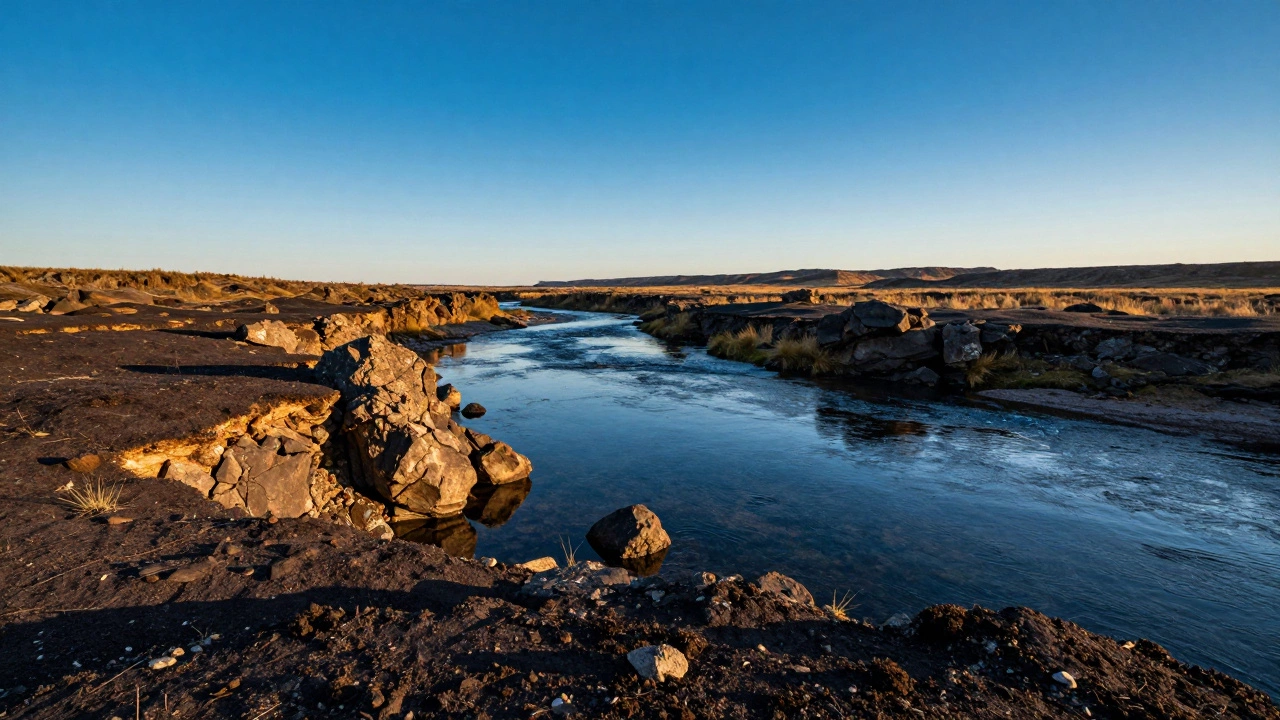
The physical environment, often called the abiotic environment, consists of all non-living components of our surroundings. This is the stage upon which life plays out. Without these elements, biology as we know it would cease to exist. It includes everything from the air you breathe to the soil beneath your feet.
This category is further divided into several key systems:
- Atmosphere: The layer of gases surrounding Earth. It regulates temperature, provides oxygen, and shields us from harmful solar radiation. Changes here, like greenhouse gas accumulation, directly impact global weather patterns.
- Lithosphere: The solid outer shell of the Earth, including rocks, minerals, and soil. Soil quality determines agricultural productivity and supports plant roots.
- Hydrosphere: All water bodies, including oceans, lakes, rivers, and groundwater. Water is essential for all known forms of life and acts as a major regulator of climate.
- Climate and Weather: Long-term atmospheric conditions versus short-term fluctuations. Climate defines what ecosystems can survive in a region, while weather affects daily survival strategies for organisms.
Why does this matter? Because the physical environment sets the limits for everything else. If the lithosphere is contaminated with heavy metals, the biological environment suffers. If the atmosphere warms, the hydrosphere expands, flooding coastal communities. These are not abstract concepts; they are the hard constraints of our planet.
The Biological Environment: The Web of Life
If the physical environment is the stage, the biological environment is the cast of actors. Also known as the biotic environment, this classification includes all living organisms and their interactions. It’s not just about counting species; it’s about understanding relationships.
We typically look at this through a few lenses:
- Ecosystems: A community of living organisms interacting with each other and their physical environment. A forest ecosystem includes trees, deer, fungi, bacteria, and the soil they share.
- Biodiversity: The variety of life at genetic, species, and ecosystem levels. High biodiversity usually means a more resilient environment capable of recovering from disturbances.
- Food Webs: The complex network of who eats whom. Energy flows from producers (plants) to consumers (animals) to decomposers (fungi/bacteria). Disrupt one link, and the whole web trembles.
- Microbial Life: Often overlooked, microbes drive nutrient cycling, decomposition, and even human gut health. They are the unseen engineers of the biological world.
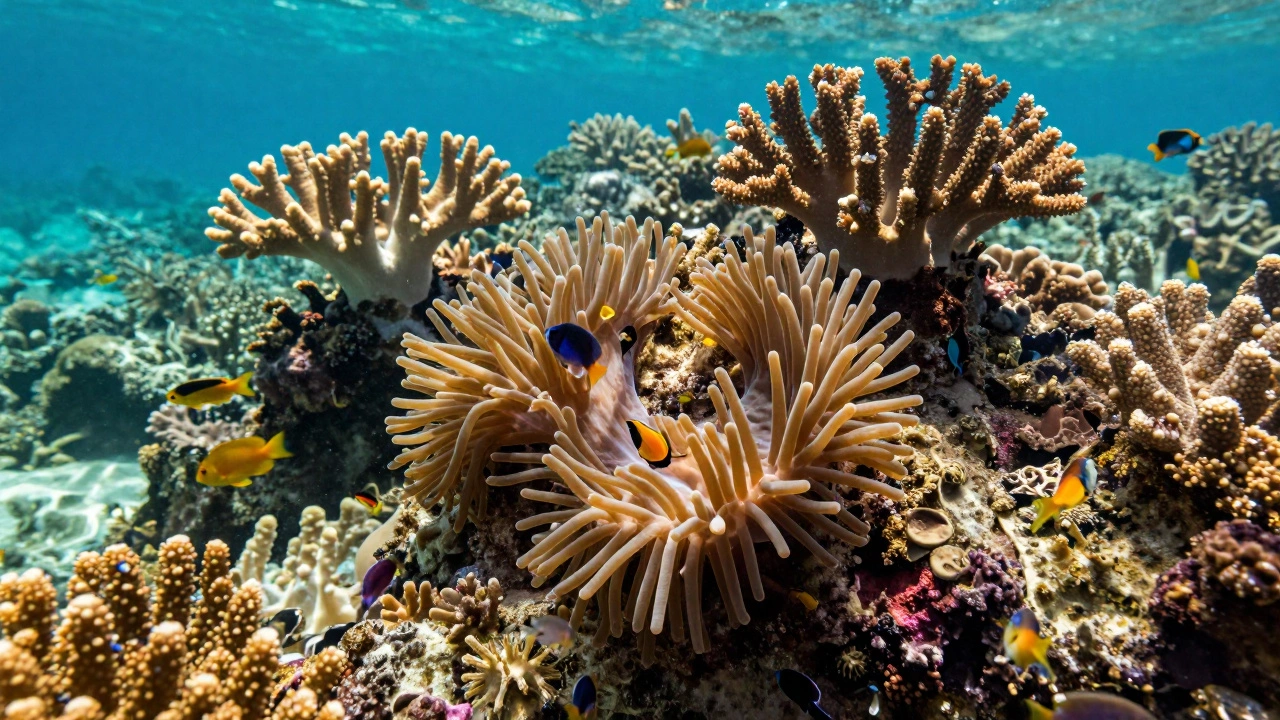
Consider a coral reef. Physically, it’s calcium carbonate structures in warm water. Biologically, it’s a dense hub of fish, algae, corals, and plankton. The health of the reef depends on the symbiosis between coral polyps and zooxanthellae algae. When water temperatures rise (physical change), the algae leave (biological response), causing coral bleaching. You cannot solve this by looking at only one classification.
The Socio-Cultural Environment: Human Context
Humans don’t live in a vacuum. We create environments shaped by culture, economy, politics, and social norms. This is the socio-cultural environment. It dictates how we interact with the physical and biological worlds.
This classification includes:
- Social Structures: Family units, communities, and societal hierarchies. These determine resource distribution and collective action capabilities.
- Cultural Norms: Beliefs, values, and traditions. For example, some cultures view nature as sacred, leading to conservation practices, while others view it as a resource to be exploited.
- Economic Systems: How resources are produced, distributed, and consumed. Capitalist economies often prioritize growth, which can strain environmental limits, while circular economies aim to minimize waste.
- Political Governance: Laws, regulations, and policies. Environmental protection agencies, international treaties like the Paris Agreement, and local zoning laws all shape our environmental footprint.
Think about plastic pollution. Physically, it’s polymer waste in the ocean. Biologically, it harms marine life. But socio-culturally, it’s a result of consumer habits, corporate production models, and inadequate waste management infrastructure. Solving it requires changing laws, shifting cultural attitudes toward single-use items, and redesigning economic incentives.
The Built Environment: Our Man-Made World
While sometimes grouped under socio-cultural, the built environment deserves its own spotlight because it physically alters our surroundings. It includes cities, buildings, roads, bridges, and infrastructure. It is where most humans spend the majority of their time.
Key aspects include:
- Urban Design: Layout of streets, parks, and public spaces. Walkable cities reduce car dependency and lower emissions.
- Housing: Quality, density, and energy efficiency of dwellings. Poor housing leads to health issues like asthma and mold exposure.
- Infrastructure: Power grids, water treatment plants, and transportation networks. Aging infrastructure can leak pollutants or waste energy.
- Green Spaces: Parks, gardens, and urban forests. They mitigate heat islands, improve mental health, and support urban biodiversity.
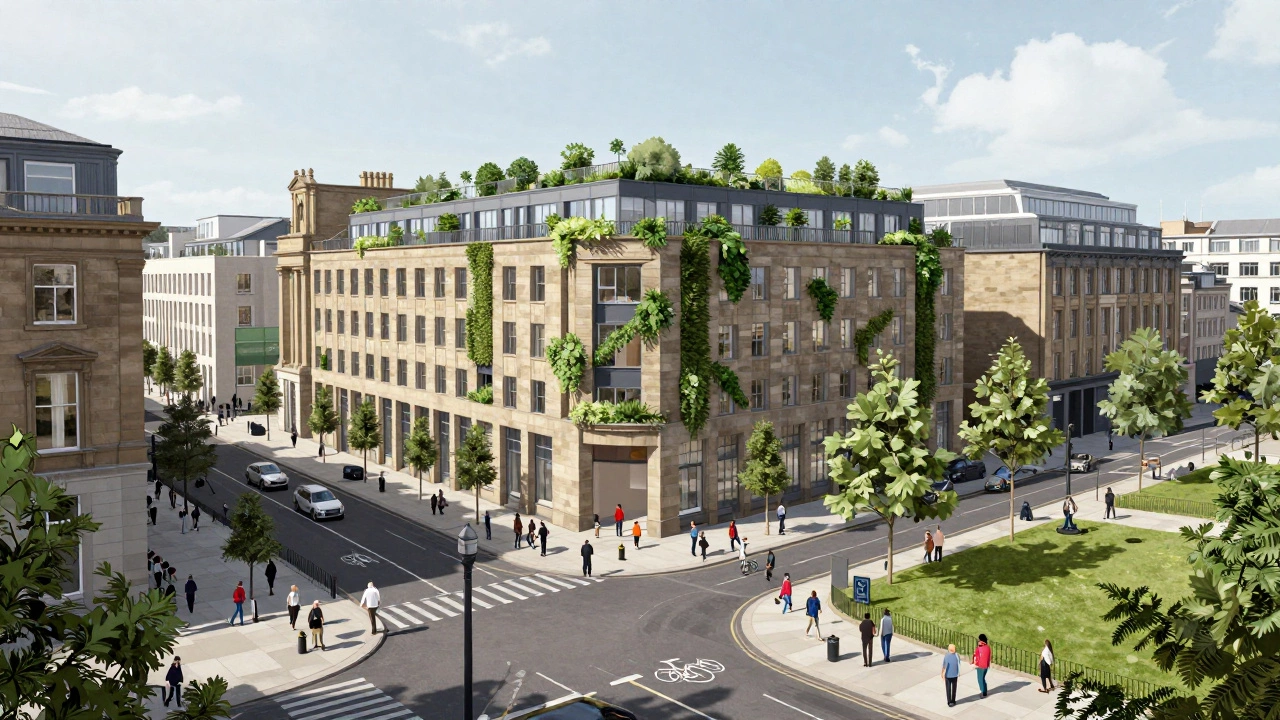
In Edinburgh, for instance, the integration of historic architecture with modern green initiatives shows how the built environment can evolve. New developments now require green roofs and sustainable materials, blending the old city with ecological responsibility.
How These Classifications Interact
The real power of understanding these classifications lies in seeing their intersections. They don’t operate in silos. A change in one ripples through the others.
| Classification | Example Impact | Cross-Classification Effect |
|---|---|---|
| Physical | Drought reduces water availability | Biological: Crop failure; Socio-cultural: Food price spikes, migration |
| Biological | Pest outbreak destroys forests | Physical: Increased soil erosion; Socio-cultural: Loss of timber jobs |
| Socio-Cultural | New policy bans single-use plastics | Built: Redesign of packaging facilities; Physical: Reduced ocean litter |
| Built | Construction of a highway | Biological: Habitat fragmentation; Socio-cultural: Changed commute patterns |
Take deforestation in the Amazon. Physically, it removes carbon sinks and alters rainfall patterns. Biologically, it destroys habitats for thousands of species. Socio-culturally, it displaces indigenous communities and drives cattle ranching economies. Built environment changes include new roads facilitating access. You can’t address deforestation by planting trees alone; you need economic alternatives for locals, legal protections, and sustainable land-use planning.
Why Classification Matters for Action
Knowing these categories isn’t just academic. It guides effective action. If you’re an activist, knowing whether a problem is rooted in physical degradation, biological imbalance, or socio-cultural policy helps you target your efforts.
For example, if you want to reduce air pollution in a city:
- Physical focus: Monitor air quality sensors, study wind patterns.
- Biological focus: Plant trees that absorb pollutants, protect wetlands that filter air.
- Socio-cultural focus: Advocate for stricter emission laws, promote public transport use through education.
- Built focus: Design bike lanes, retrofit buildings for better insulation to reduce heating needs.
Ignoring any one of these leads to incomplete solutions. Banning cars without providing alternative transport fails. Planting trees without addressing industrial emissions has limited impact. Holistic approaches recognize that the environment is a multi-layered system.
Common Misconceptions About Environmental Classification
Many people think "environment" equals "nature." This narrow view excludes the built and socio-cultural dimensions, leading to ineffective strategies. Another misconception is that these classifications are static. They are dynamic and constantly evolving. Climate change is reshaping physical boundaries, forcing biological migrations, and triggering socio-cultural shifts like climate refugees.
Also, some assume that human activities are separate from the environment. In reality, humans are part of the biological environment and creators of the built and socio-cultural ones. We are not outsiders looking in; we are integral components.
Looking Ahead: Integrated Environmental Management
The future of environmental stewardship lies in integrated management. This means designing policies and projects that consider all four classifications simultaneously. Cities are adopting "green infrastructure" that combines built design with biological benefits (like rain gardens) and socio-cultural engagement (community gardening programs).
Businesses are moving beyond simple compliance to embrace circular economy models that respect physical limits, enhance biodiversity, and align with cultural values of sustainability. Individuals can contribute by making choices that acknowledge these connections-choosing local food supports biological diversity and reduces physical transport emissions while strengthening socio-cultural community ties.
Understanding the classifications of the environment gives us a map. It doesn’t tell us exactly where to go, but it shows us the terrain. With this knowledge, we can navigate challenges more effectively, ensuring that our actions today support a viable, vibrant world for tomorrow.
What are the three main classifications of the environment?
The three main classifications are the physical (abiotic) environment, the biological (biotic) environment, and the socio-cultural environment. Some frameworks also include the built environment as a distinct fourth category.
How does the built environment differ from the physical environment?
The physical environment refers to natural, non-living elements like air, water, and soil. The built environment consists of human-made structures such as buildings, roads, and infrastructure. While the built environment modifies the physical landscape, it is distinct because it is designed and constructed by humans.
Why is the socio-cultural environment important in environmental studies?
The socio-cultural environment shapes how humans interact with nature. It includes laws, economic systems, and cultural beliefs that drive behaviors like consumption, waste generation, and conservation. Ignoring this aspect often leads to failed environmental policies because they don't account for human motivations and social structures.
Can you give an example of interaction between different environmental classifications?
Yes. Deforestation is a prime example. Physically, it removes trees and alters climate. Biologically, it destroys habitats. Socio-culturally, it may be driven by agricultural demand or poverty. Built environment changes include new roads for logging. Addressing it requires solutions across all these areas.
Is the environment only about nature and wildlife?
No. While nature and wildlife are part of the biological environment, the term "environment" encompasses physical elements (air, water), human-made structures (cities), and social factors (culture, economy). Humans are embedded within this entire system, not separate from it.