
5 Real Community Environmental Groups Making a Difference
 Jan, 25 2026
Community Impact Calculator
Measure Your Community's Environmental Impact
Based on real-world success stories from groups like River Keepers and Tree Planting Collective
When you think of environmental change, you might picture big NGOs with offices in cities or scientists in labs. But some of the most powerful work happens right outside your door-in neighborhoods, parks, and rivers where people come together because they care. These aren’t just campaigns. They’re communities fixing problems themselves, with no big budget, no PR team, just grit and shared purpose.
The Greening of Glasgow’s West End
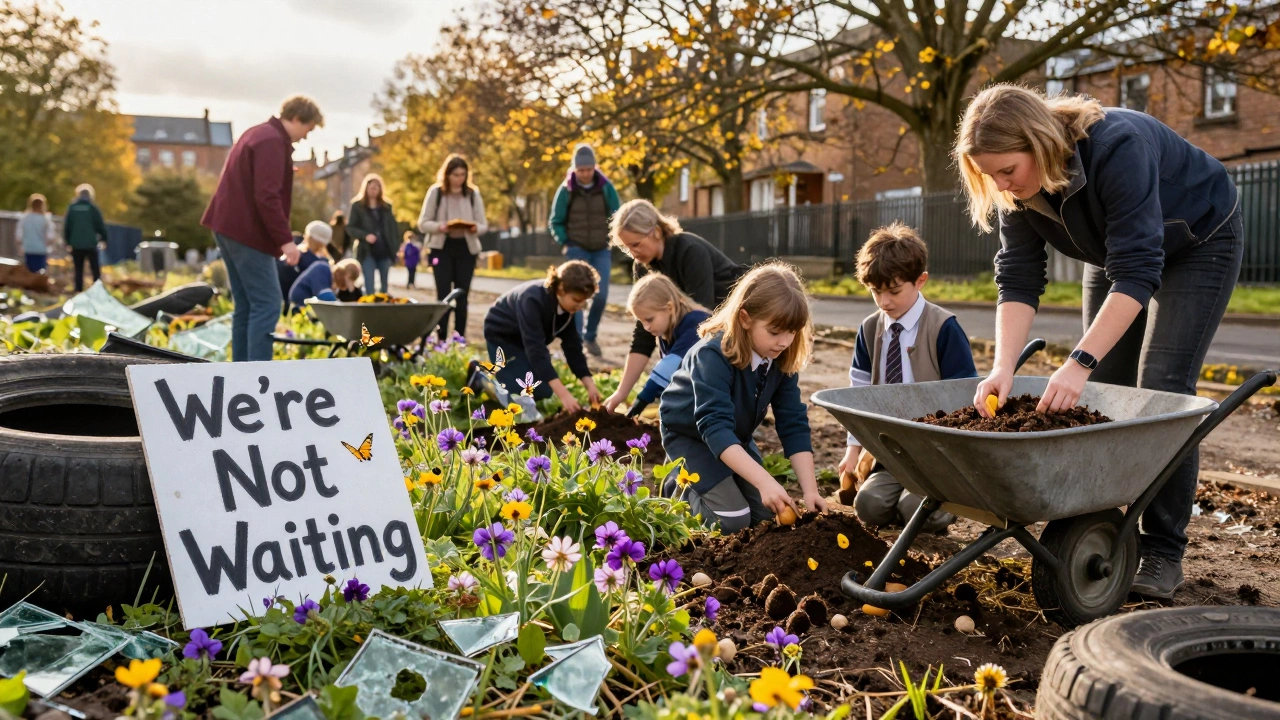
In 2022, a group of residents in Glasgow’s West End turned a vacant lot covered in broken glass and old tires into a wildflower meadow. They didn’t wait for council approval. They got soil donated from a local landscaping company, planted native seeds from a wildlife trust, and started weekly workdays. Now, over 80 species of bees and butterflies visit the site. The council eventually recognized it as a Community Wildlife Habitat. What started as a cleanup effort became a living classroom for local schools. Kids now help plant bulbs each autumn. The group’s rule? No permits needed if you’re not breaking the law-and you’re cleaning up.
River Keepers of the River Tay
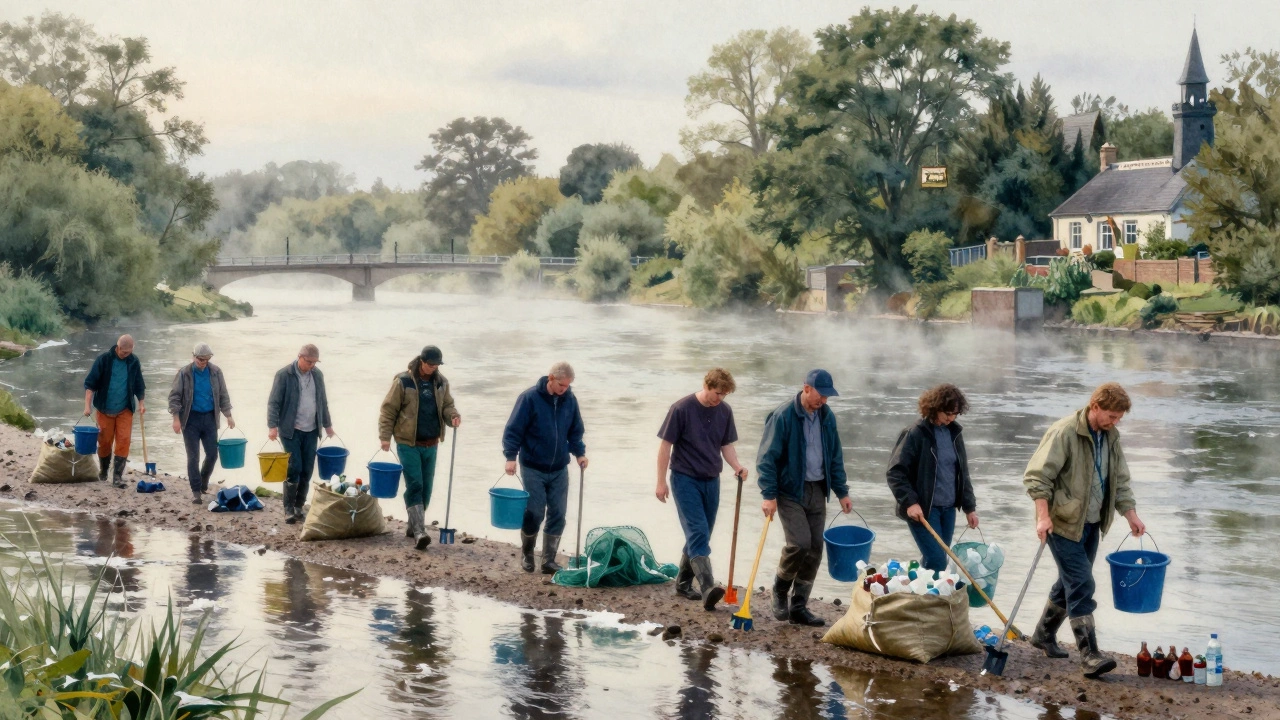
The River Tay in Scotland used to be choked with plastic bags, fishing nets, and discarded bottles. In 2023, a retired fisherman named Ian MacLeod started walking its banks every weekend with a grabber tool and a bucket. Within months, 12 neighbors joined him. They called themselves River Keepers. They didn’t ask for funding. They made their own signs: ‘We’re Not Waiting.’ They tracked pollution hotspots and sent photos to the Scottish Environment Protection Agency. By 2025, their data helped secure £120,000 in government cleanup grants. But the real win? Local pubs now stock reusable bottles. Kids bring their own bags to school for weekend cleanups. The river’s water quality improved by 42% in two years.
The Tree Planting Collective of Edinburgh’s Leith
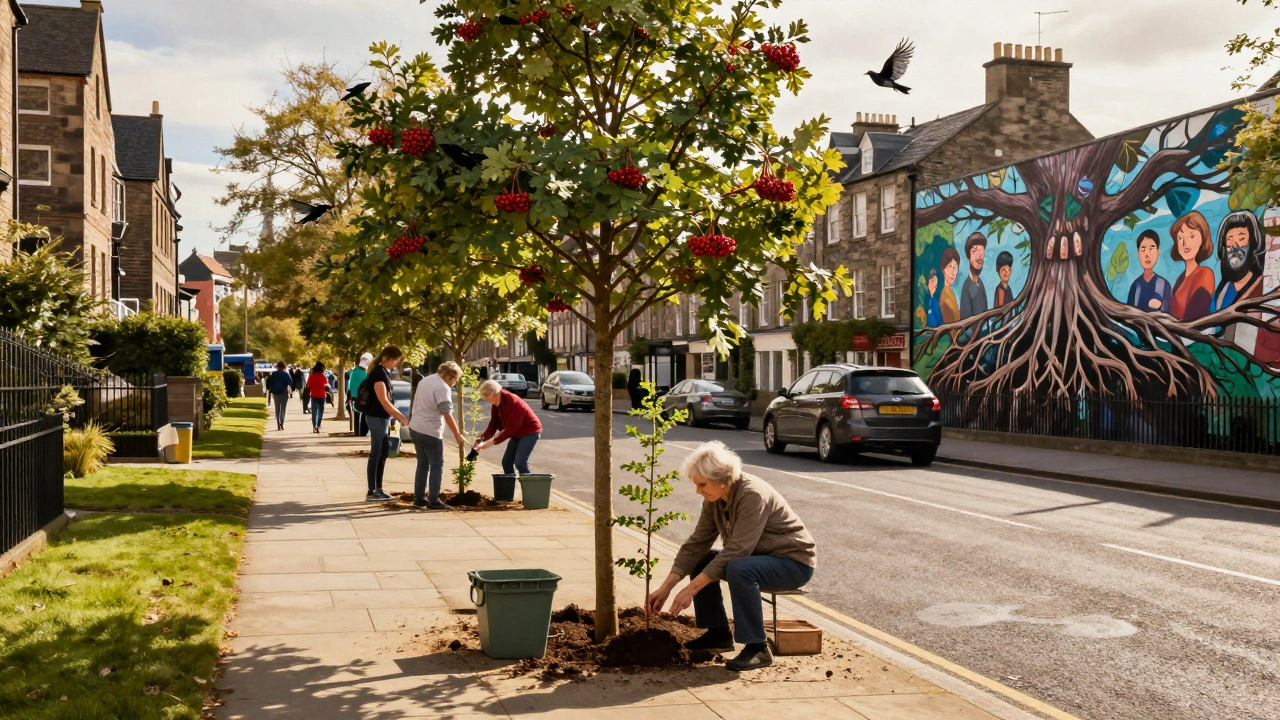
Leith, a working-class district in Edinburgh, had fewer trees per person than any other area in the city. In 2021, a group of parents, teachers, and retirees formed the Leith Tree Collective. Their goal: plant 1,000 native trees by 2025. They didn’t wait for the council. They bought saplings with money raised at local markets. They got permission from homeowners to plant in front yards. They trained volunteers to water trees during heatwaves. By late 2025, they planted 1,142 trees-mostly oak, rowan, and hawthorn. One elderly woman, 82, planted her first tree the day after her husband died. She said, ‘He loved the quiet. Now the birds sing where he sat.’ The city now copies their model in three other districts.
Plastic-Free Fife: A Town That Said No to Single-Use
Fife, a coastal region in Scotland, had one of the highest rates of plastic waste in the country. In 2023, a 16-year-old student, Aisha Khan, started a petition at her school: ‘No plastic in our shops.’ It spread. By 2024, 47 local businesses agreed to stop offering plastic straws, bags, and cutlery. The group didn’t ban anything. They just asked people to bring their own. They made reusable bags from old sweaters and gave them out for free. Cafes started offering discounts for bringing your cup. Within a year, single-use plastic dropped by 68% in participating stores. The council noticed. They now fund a ‘Plastic-Free Town’ grant program across Scotland.
The Coastal Cleanup Crew of Arran
On the Isle of Arran, tides bring in more plastic than fish. In 2022, a group of surfers, lobster fishermen, and retired teachers formed the Coastal Cleanup Crew. They met every Saturday morning, rain or shine. They didn’t just pick up trash. They sorted it. They recorded what they found-bottle caps from Poland, fishing lines from Norway, cigarette butts from local pubs. They shared the data with Marine Conservation Society. Their findings led to a ban on beachside vending machines that only sold plastic-wrapped snacks. They also started a ‘Trash to Art’ program, turning ocean debris into sculptures displayed in the island’s community hall. Tourists now come to see them. Locals say it changed how they think about waste. ‘We didn’t think we could fix the ocean,’ said one fisherman. ‘But we could fix our beach.’
Why These Groups Work
What makes these groups different from big charities? They’re small. They’re local. They don’t need to report to donors or follow strict grant rules. They respond fast. If a tree falls and blocks a path, they move it. If a creek gets poisoned, they test the water themselves. They don’t wait for permission. They don’t wait for funding. They just start.
They also build trust. When your neighbor shows up every Saturday to plant trees, you start to believe change is possible. When the same group shows up again next week, you join them. That’s how movements grow-not from headlines, but from habits.
How to Start Your Own
- Start small. One street. One park. One riverbank. You don’t need 50 people. You need one person who shows up.
- Track what you do. Take photos. Count bags of trash. Note species you see. Data turns passion into proof.
- Ask for help, not money. Local hardware stores give away soil. Cafes donate coffee for volunteers. Schools lend tools. People want to help-they just need to know how.
- Make it easy. No long meetings. No forms. Just show up, do something, go home.
- Celebrate tiny wins. ‘We planted 10 trees.’ ‘We removed 50 bottles.’ Say it out loud. That’s how momentum builds.
These groups didn’t change the world. They changed their corner of it. And that’s how change always starts.
Can a small group really make a difference in environmental issues?
Yes. The biggest environmental wins often start small. The River Keepers of the Tay began with one man walking the bank. Within two years, their data helped unlock £120,000 in public funding and improved water quality by 42%. Small groups succeed because they’re agile, local, and accountable to their own community-not distant donors.
Do I need funding to start a community environmental group?
No. Most of the groups mentioned here started with zero budget. They used donated soil, free tools from local shops, and volunteer labor. The key is asking for what you need-like old sweaters for reusable bags or coffee for volunteers-not money. Funding often follows proof of action, not the other way around.
How do I get people to join my environmental group?
Start with people you already know. Ask your neighbor, your kid’s teacher, the person at the local bakery. Make it simple: ‘Come Saturday morning, we’re cleaning the park. Bring gloves and a water bottle.’ Don’t make it a meeting. Make it a moment. People join when they see action, not when they read a mission statement.
What if my local council ignores our efforts?
Don’t wait for them. The Leith Tree Collective planted over 1,000 trees before the council even noticed. Once they did, they copied the model. Your group’s success becomes its own argument. Document your work-photos, numbers, stories. Share it on social media. Local press will pick it up. Change often comes from the ground up, not from the top down.
How do I measure the impact of my group’s work?
Count what matters. How many bags of trash did you remove? How many trees survived? How many species returned? The Coastal Cleanup Crew on Arran tracked plastic types by country-this helped push for a ban on beach vending machines. Simple metrics make your work real, not just emotional.