
The 4 Categories of Ecosystem Services: Provisioning, Regulating, Cultural, and Supporting
 Jun, 7 2026
Have you ever stopped to think about why the air is breathable or why your morning coffee exists? It’s not just magic. It’s a complex system of free labor performed by nature. Scientists call these benefits ecosystem services. For decades, we treated the environment as a backdrop to human activity. Today, we understand it as the engine that keeps our economies and societies running.
If you are involved with environmental groups or policy-making, understanding the specific categories of these services is crucial. The Millennium Ecosystem Assessment (MA), a landmark report published in 2005 by the United Nations, established the standard framework used globally today. It divides these services into four distinct categories: Provisioning, Regulating, Cultural, and Supporting. Knowing the difference helps us value nature correctly and protect what matters most.
Provisioning Services: What Nature Gives Us Directly
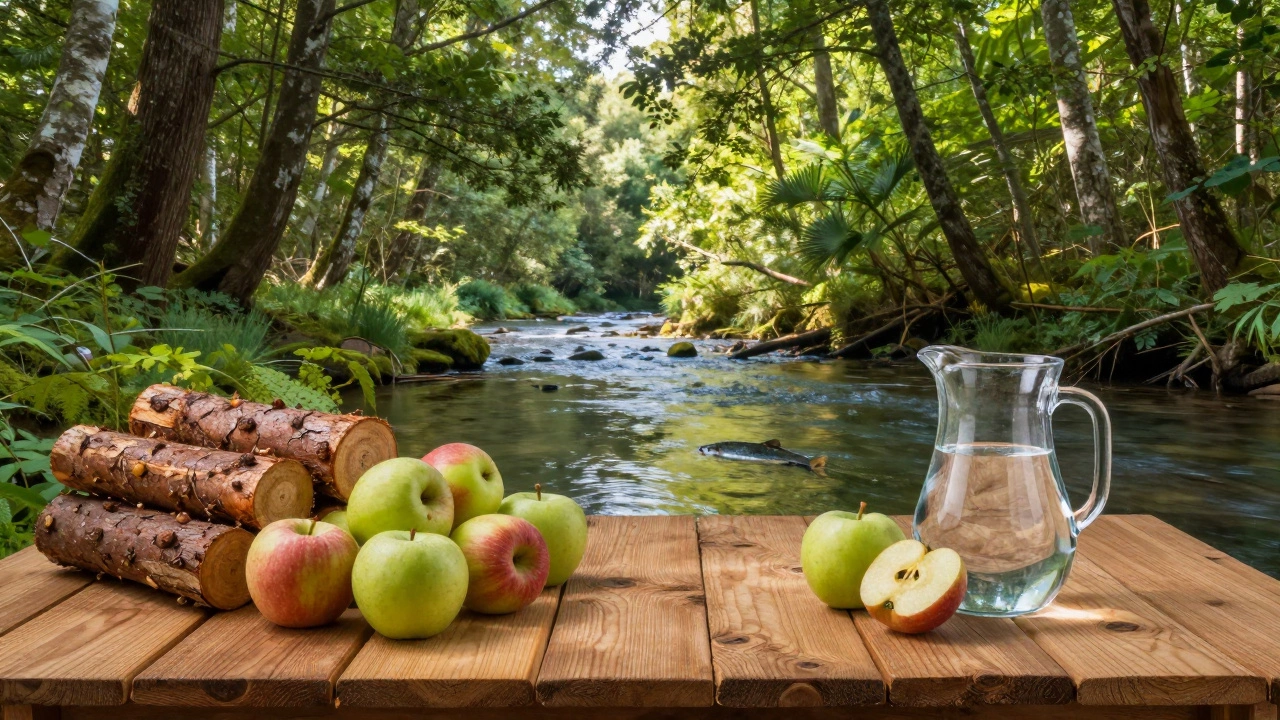
These are the goods we can touch, hold, and consume. They are the most obvious because they end up on our plates, in our medicine cabinets, and in our construction sites. When you buy an apple, build a house with timber, or boil water for tea, you are using provisioning services.
This category includes:
- Food: This covers everything from crops like wheat and rice to wild-caught fish and hunted game. In 2023 alone, global fisheries provided over 17% of the animal protein consumed by humans worldwide.
- Freshwater: Access to clean drinking water from rivers, lakes, and aquifers is a direct provision. Without natural filtration systems, treating this water would cost billions more annually.
- Raw Materials: Timber for construction, cotton for clothing, and fibers for ropes. Even biofuels fall under this umbrella.
- Genetic Resources: Plants and animals provide genes that scientists use to develop new medicines, drought-resistant crops, and industrial enzymes.
The danger here is overharvesting. Because these services are tangible, we often mistake them for infinite resources. When we clear-cut forests for timber, we aren't just taking wood; we are dismantling the machine that produces it.
Regulating Services: Nature’s Invisible Safety Net
If provisioning services are the paycheck, regulating services are the insurance policy. These are the benefits we get from the regulation of ecosystem processes. You don’t always see them happening, but you feel the impact when they fail.
Consider climate regulation. Forests and oceans act as massive carbon sinks, absorbing CO2 from the atmosphere. A single acre of forest can absorb nearly 5 tons of carbon dioxide per year. Without this service, global temperatures would rise much faster than they already are.
Other key examples include:
- Water Purification: Wetlands and soil bacteria filter pollutants from water naturally. The New York City watershed protection program saved the city $6-8 billion by protecting forests instead of building a traditional water filtration plant.
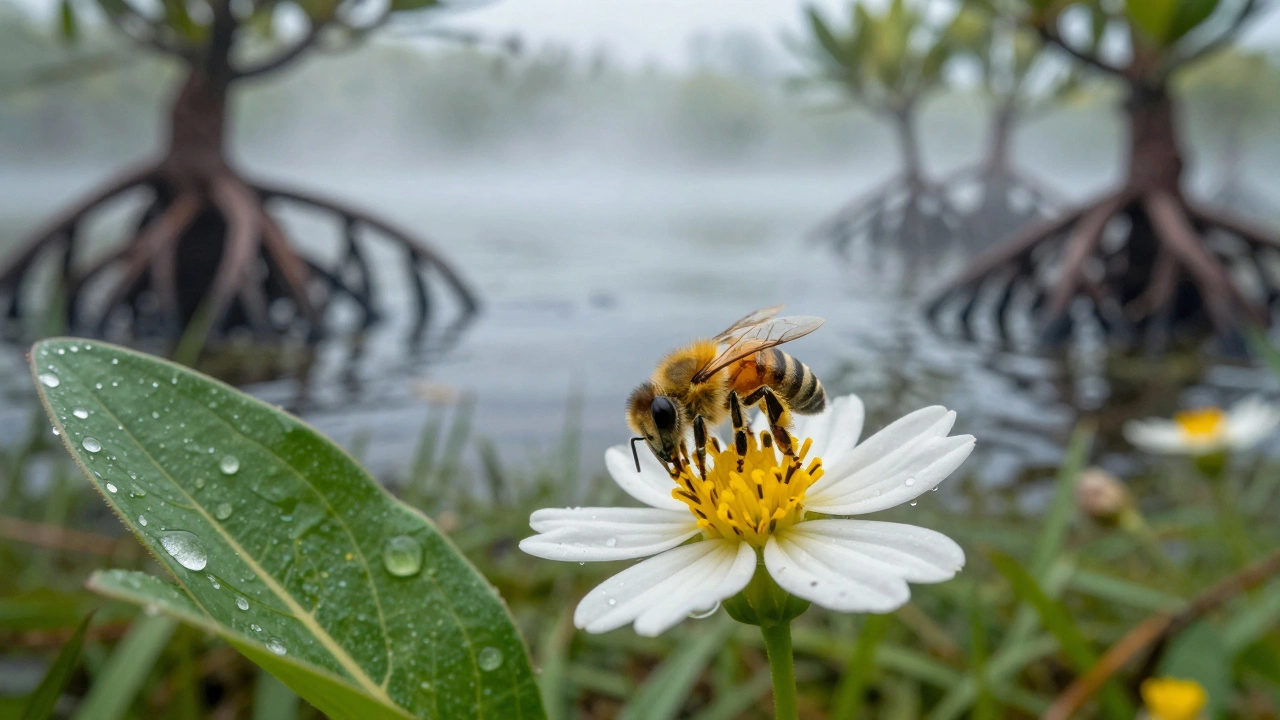
- Pollination: Bees, bats, and birds transfer pollen between plants. About 75% of leading global food crops depend at least partly on animal pollination. Without this service, our diets would shrink dramatically, and prices would skyrocket.
- Flood Control: Mangroves and wetlands absorb excess rainfall and buffer storm surges. After Hurricane Sandy in 2012, areas protected by healthy coastal ecosystems suffered significantly less damage than those without.
- Disease Regulation: Biodiverse ecosystems can dilute the spread of pathogens. Monocultures, by contrast, often facilitate rapid disease transmission.
The challenge with regulating services is that their value is only fully realized when they are lost. We didn't appreciate the flood control of wetlands until cities started flooding regularly. We didn't value pollinators until almond yields dropped.
Cultural Services: The Non-Material Benefits
Nature doesn't just feed and protect us; it shapes who we are. Cultural services are the non-material benefits people obtain from ecosystems through spiritual enrichment, cognitive development, reflection, recreation, and aesthetic experiences.
You might think these are "soft" benefits compared to food or water, but they drive huge economic sectors. Global eco-tourism generates hundreds of billions of dollars annually. People travel thousands of miles to see the Great Barrier Reef, hike the Appalachian Trail, or watch whales in Iceland. That revenue supports local communities and incentivizes conservation.
Cultural services also include:
- Mental Health: Studies consistently show that access to green spaces reduces stress, anxiety, and depression. In urban planning, parks are no longer seen as luxuries but as public health infrastructure.
- Spiritual Value: Many indigenous cultures and religious traditions view specific landscapes, mountains, or rivers as sacred. Protecting these sites is essential for cultural preservation.
- Educational Value: Natural environments serve as outdoor classrooms for science education and research. Field studies in ecology rely entirely on intact ecosystems.
When we pave over a park to build a shopping center, we lose more than trees. We lose a place for community gathering, mental restoration, and identity formation.
Supporting Services: The Foundation of All Others
Think of supporting services as the backstage crew. They don't perform on stage, but without them, the show stops. These are the processes necessary for the production of all other ecosystem services.
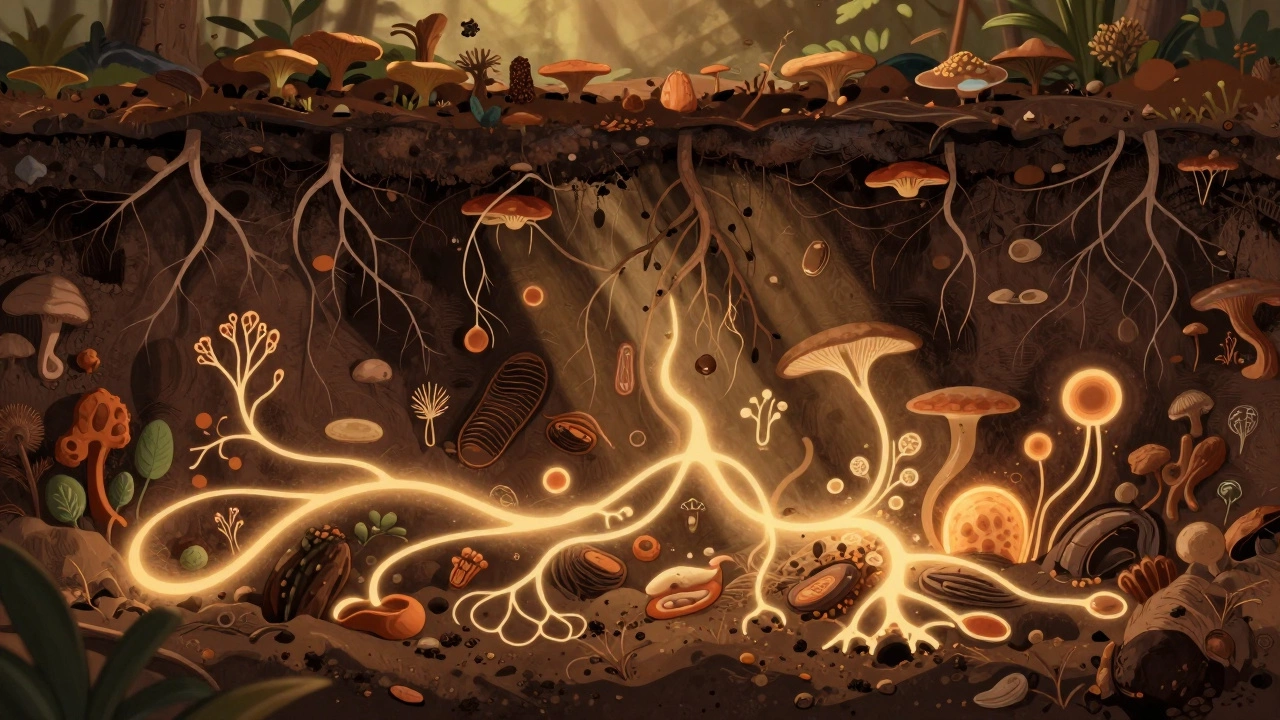
The most critical supporting service is Soil Formation. Soil takes centuries to form. It provides the medium for plant growth, stores water, and hosts a vast array of microorganisms. Without healthy soil, there is no agriculture (provisioning) and no carbon storage (regulating).
Other foundational processes include:
- Photosynthesis: This process creates the biomass that forms the base of the food web. It also produces the oxygen we breathe.
- Nutrient Cycling: Decomposers break down dead matter, returning nitrogen, phosphorus, and other nutrients to the soil and water. This closed-loop system keeps ecosystems productive without external inputs.
- Primary Production: The creation of organic compounds from atmospheric carbon dioxide. This is the energy source for almost all life on Earth.
Unlike the other three categories, supporting services do not directly benefit humans in the short term. You don't eat photosynthesis. However, if nutrient cycling stops, the entire system collapses. Therefore, protecting supporting services is the ultimate long-term strategy for environmental sustainability.
| Category | Key Function | Direct Human Benefit? | Example |
|---|---|---|---|
| Provisioning | Production of resources | Yes (Tangible) | Fish, Timber, Water |
| Regulating | Moderation of conditions | Yes (Intangible) | Pollination, Flood Control |
| Cultural | Non-material enrichment | Yes (Psychological/Social) | Tourism, Spiritual Value |
| Supporting | Foundation for other services | No (Indirect) | Soil Formation, Photosynthesis |
Why This Framework Matters for Environmental Groups
Understanding these four categories changes how we talk about conservation. Instead of saying "save the trees," we can say "protect the regulating services that prevent flooding and sequester carbon." This language resonates with policymakers and economists who need to justify budgets.
It also highlights trade-offs. Planting a monoculture pine forest might increase provisioning services (timber) but decrease regulating services (biodiversity loss leads to poor pest control) and cultural services (less recreational variety). A holistic approach requires balancing all four.
For activists and NGOs, this framework provides a checklist. Are you addressing the food security needs (provisioning)? Are you advocating for wetland protection against floods (regulating)? Are you promoting community access to parks (cultural)? And are you working on long-term soil health (supporting)? If you miss one, your strategy has a blind spot.
What is the difference between regulating and supporting services?
Regulating services provide direct benefits to humans by moderating environmental conditions, such as climate regulation or water purification. Supporting services are the underlying processes, like soil formation and nutrient cycling, that make all other services possible. You benefit directly from regulating services, but supporting services are indirect prerequisites.
Can an ecosystem service fit into multiple categories?
Yes, there is often overlap. For example, a forest provides timber (provisioning), absorbs carbon (regulating), offers hiking trails (cultural), and maintains soil structure (supporting). The categorization depends on which aspect you are measuring or valuing at the time.
Who created the four categories of ecosystem services?
The widely accepted framework was established by the Millennium Ecosystem Assessment (MA) in 2005, commissioned by the United Nations. It built upon earlier work by Robert Costanza and other ecologists in the 1990s.
Why are supporting services considered indirect?
Humans do not directly consume or use supporting services like photosynthesis or primary production in their daily lives. Instead, these processes enable the existence of provisioning, regulating, and cultural services. If supporting services collapse, the other three categories eventually fail.
How can I apply this framework in my community?
Start by mapping local assets. Identify sources of food and water (provisioning), areas that prevent erosion or heat islands (regulating), parks and heritage sites (cultural), and soil/water quality indicators (supporting). Use this map to prioritize conservation efforts based on the greatest local needs.