
What Is an Environment Group? Understanding Their Role and Impact
 Dec, 4 2025
Environment Group Legitimacy Checker
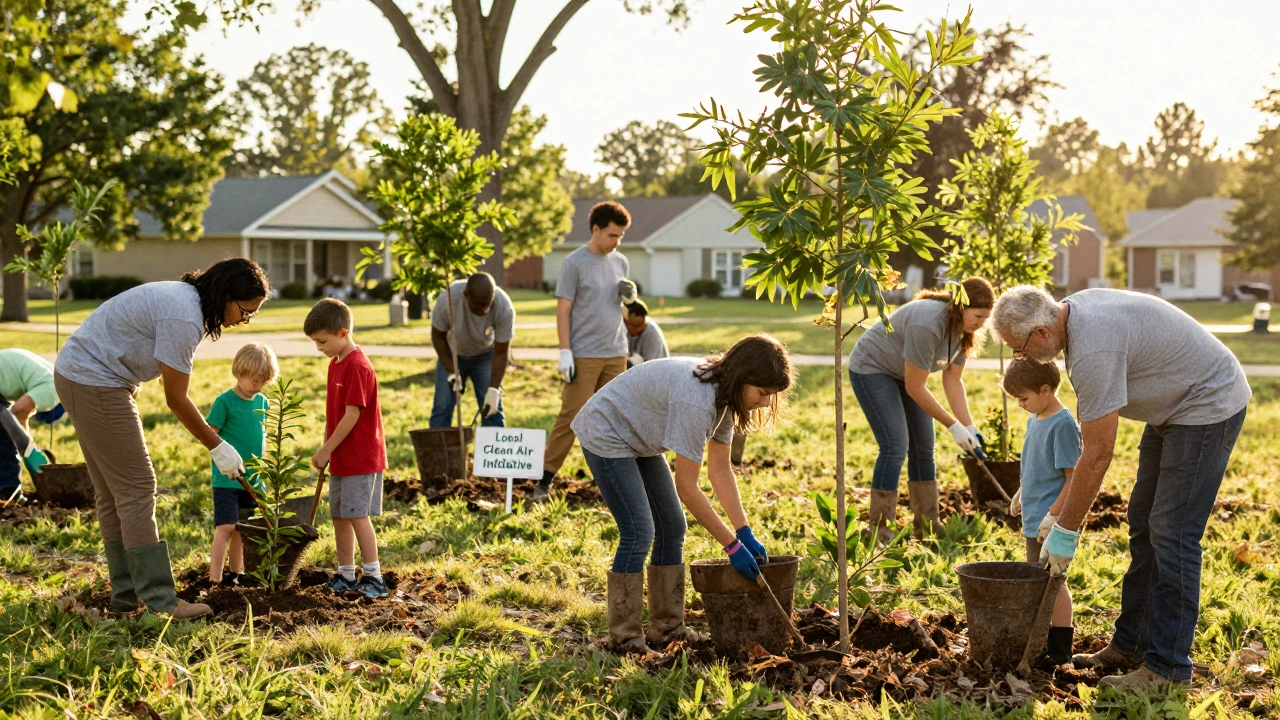
When you hear the term environment group, you might picture people holding signs at a protest or planting trees in a park. But that’s just one piece of the puzzle. An environment group is any organized effort-whether a small local team or a global nonprofit-that works to protect nature, fight pollution, or push for policies that keep the planet healthy. These groups don’t just care about forests and oceans; they care about clean air for kids, safe drinking water for communities, and a stable climate for future generations.
What Exactly Does an Environment Group Do?
Environment groups operate in many ways, depending on their size, focus, and location. Some run scientific research to track how climate change affects wildlife. Others take legal action against companies that dump toxic waste into rivers. Many organize community cleanups, educate schools, or lobby lawmakers to pass stronger environmental laws.
Take the Sierra Club, founded in 1892. It started as a group of hikers who wanted to protect Yosemite. Today, it’s one of the largest environmental organizations in the U.S., with over 3.8 million members. It doesn’t just hike-it files lawsuits, runs voter campaigns, and pushes for renewable energy policies. That’s the power of an environment group: turning passion into measurable change.
Smaller groups matter too. In rural towns, you might find a local group fighting to stop a new landfill from being built near a school. In coastal cities, volunteers might monitor beach water quality and report unsafe levels to health departments. These aren’t flashy headlines, but they’re the daily work that keeps communities safe.
Types of Environment Groups
Not all environment groups are the same. They fall into a few broad categories based on how they operate and what they aim to achieve.
- Advocacy organizations focus on influencing policy. They draft legislation, meet with elected officials, and mobilize public support. Examples include the Natural Resources Defense Council and Friends of the Earth.
- Conservation groups work directly with land and wildlife. They buy and protect forests, restore wetlands, or reintroduce endangered species. The Nature Conservancy and World Wildlife Fund fit here.
- Community-based groups are local and grassroots. They’re often run by residents who’ve seen pollution or habitat loss firsthand. These groups might organize recycling drives, teach kids about composting, or demand cleaner public transit.
- Scientific research institutes collect data to back up environmental claims. They publish studies on melting glaciers, air quality trends, or species decline. Their work gives credibility to advocacy efforts.
- Legal action groups use the court system to enforce environmental laws. They sue polluters, challenge weak regulations, and defend public lands. Earthjustice is a well-known example.
Many groups do more than one thing. A conservation group might also run educational programs. An advocacy group might fund scientific studies. The lines blur because the problem-protecting the planet-is complex, and so are the solutions.
How Do Environment Groups Get Funding?
Most environment groups are nonprofits, which means they don’t exist to make money. They survive on donations, grants, and sometimes membership fees. Major foundations like the Ford Foundation or the Walton Family Foundation give millions to environmental causes every year. Individuals also chip in-often through monthly donations.
Some groups receive government grants for specific projects, like cleaning up an old industrial site or restoring a river. But they rarely take money from corporations that pollute. Many environmental organizations have strict policies against accepting funding from fossil fuel companies, mining firms, or large agribusinesses. Why? Because it creates a conflict of interest. If a group takes money from a company that dumps chemicals into rivers, can they really speak out against that company?
Transparency matters. Reputable environment groups publish annual reports showing where their money comes from and how it’s spent. You can usually find this on their websites under “About Us” or “Financials.” If a group won’t show you how they use donations, it’s a red flag.

Why Do Environment Groups Matter Now More Than Ever?
Climate change isn’t a future threat-it’s happening now. In 2024, the U.S. experienced 28 separate billion-dollar weather disasters, from wildfires in California to floods in the Midwest. The World Health Organization says air pollution kills over 7 million people every year. These aren’t abstract numbers. They’re families losing homes, children with asthma, farmers watching crops fail.
Environment groups are on the front lines. They document the damage. They hold polluters accountable. They push for clean energy alternatives. They help communities adapt. Without them, governments and corporations would have far less pressure to act.
And it works. In 2023, a coalition of 120 environment groups helped pass the Inflation Reduction Act in the U.S., which included $369 billion for clean energy and climate programs. That’s the largest climate investment in American history-and it happened because people organized, spoke up, and demanded change.
How to Tell If an Environment Group Is Legitimate
Not every group calling itself “environmental” is doing real work. Some are front organizations funded by industries with a vested interest in slowing down environmental progress. Others are well-meaning but inefficient, spending most of their money on marketing instead of action.
Here’s how to tell the difference:
- Check their mission statement. Does it focus on real environmental outcomes-like reducing emissions or protecting habitats-or is it vague, like “making the world a better place”?
- Look at their track record. Have they won legal cases? Passed laws? Restored land? Published data? Real groups have results, not just slogans.
- Review their finances. Use sites like Charity Navigator or GuideStar. If more than 30% of their budget goes to administrative or fundraising costs, that’s a warning sign. Top performers spend 75% or more on programs.
- See who funds them. If a group takes money from oil, gas, or coal companies, be skeptical. Even if they claim independence, the influence is real.
- Read their language. Legitimate groups use facts, data, and specific policy names. Scams use emotional manipulation and vague promises like “save the planet in 30 days.”
Trustworthy environment groups don’t ask for your money because they’re desperate. They ask because they have a plan-and they need your support to carry it out.
How You Can Get Involved
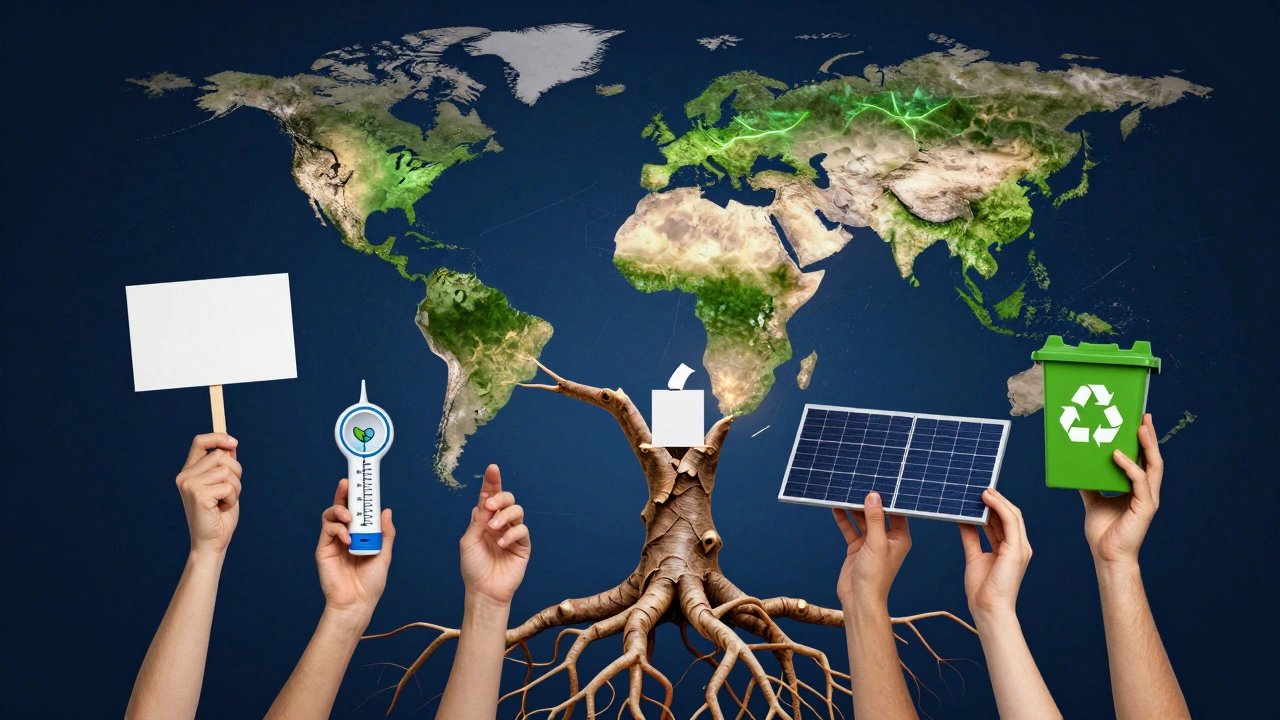
You don’t need to quit your job or move to a forest to help. There are real ways to support environment groups, no matter your time or resources.
- Donate regularly. Even $5 a month adds up. Many groups offer automatic monthly donations so you don’t have to remember.
- Volunteer locally. Join a beach cleanup, help plant native trees, or assist with a community garden. Hands-on work builds connections and makes a visible difference.
- Use your voice. Call your representative when a bill threatens public lands or clean water. Sign petitions. Share accurate information on social media.
- Shop with purpose. Support companies that are transparent about their environmental impact. Avoid brands linked to deforestation, plastic waste, or pollution.
- Join a group. Many local environment groups welcome new members. You’ll learn, connect, and help shape their next project.
The biggest mistake people make is thinking their individual action doesn’t matter. But every environment group started with one person who said, ‘This isn’t right.’ Then they found others. Then they built something bigger.
Are environment groups the same as charities?
Many environment groups are charities, but not all charities are environment groups. A charity can focus on food, housing, or education. An environment group specifically works to protect nature, reduce pollution, or fight climate change. Most environment groups are nonprofit charities, but their mission is tied to the environment.
Can environment groups make a real difference?
Yes. In the last 50 years, environment groups helped ban DDT, create the Clean Air Act, protect the Amazon rainforest, and phase out single-use plastics in dozens of countries. They’ve stopped oil drilling in protected areas, restored endangered species like the bald eagle, and pushed for renewable energy policies that now power millions of homes. Change doesn’t happen overnight-but it happens because of them.
Do environment groups only care about animals and forests?
No. While wildlife and forests are part of their work, environment groups also fight for clean water, safe air, healthy food, and climate justice. Communities near factories, landfills, or highways-often low-income or communities of color-are disproportionately affected by pollution. Environment groups advocate for these communities too, because environmental health and human health are linked.
How do I find a trustworthy environment group to support?
Start by researching groups focused on issues you care about-like ocean protection, air quality, or climate policy. Then check their financial reports on Charity Navigator or GuideStar. Look for groups that spend at least 75% of their budget on programs, not overhead. Avoid groups that don’t disclose their funding sources or that accept money from polluting industries.
Can I start my own environment group?
Absolutely. Many of the biggest groups started as small local efforts. You don’t need a big budget-just a clear goal, a few committed people, and a plan. Start by identifying a local problem: a polluted creek, a park that needs cleanup, or a lack of recycling bins. Gather neighbors, research solutions, and reach out to existing groups for advice. Even a small group can create change when it speaks with one voice.
What Comes Next?
Environment groups won’t solve everything alone. But they’re the glue holding together the movement for a livable planet. They turn outrage into action, data into policy, and isolation into community.
If you’ve ever worried about the future-about the air your kids breathe, the water they drink, the world they’ll inherit-then you’re already part of this movement. The question isn’t whether you can help. It’s how you’ll choose to act.