
The 6 Levels of Environmental Organization: From Organism to Biosphere
 May, 3 2026
Environmental Organization Explorer
Click on any level to learn more about how life is organized in our environment:
1. Organism
Individual LifeThe starting point of ecological study
2. Population
Same Species GroupOrganisms of the same species in one area
3. Community
Multiple PopulationsAll living things interacting in an area
4. Ecosystem
Living + Non-livingCommunity plus physical environment
5. Biome
Climate RegionLarge area with similar climate conditions
6. Biosphere
Global ScaleAll ecosystems on Earth combined
Understanding the Hierarchy
Each level builds upon the previous one, creating increasingly complex interactions that sustain life on Earth.
Knowledge Check
Score: 0/5Have you ever looked at a single leaf and wondered how it connects to the entire planet? It’s easy to get lost in the details when studying nature, but there is a clear ladder that ecologists use to map out life on Earth. Understanding these levels of organization isn’t just about memorizing terms for a biology test; it helps us see how our actions ripple outward from a backyard garden to global climate patterns.
We often hear words like "ecosystem" or "biosphere" thrown around in news reports, but do we really know what they mean? By breaking down the environment into six distinct tiers, we can better understand the delicate balance that keeps our world running. Let’s walk through each level, starting small and working our way up to the big picture.
1. The Organism: The Starting Point
Everything begins with the individual. An organism is any living thing-whether it’s a microscopic bacterium, a towering oak tree, or a human being. At this level, we look at a single entity trying to survive. This means finding food, avoiding predators, reproducing, and maintaining its internal balance, known as homeostasis.
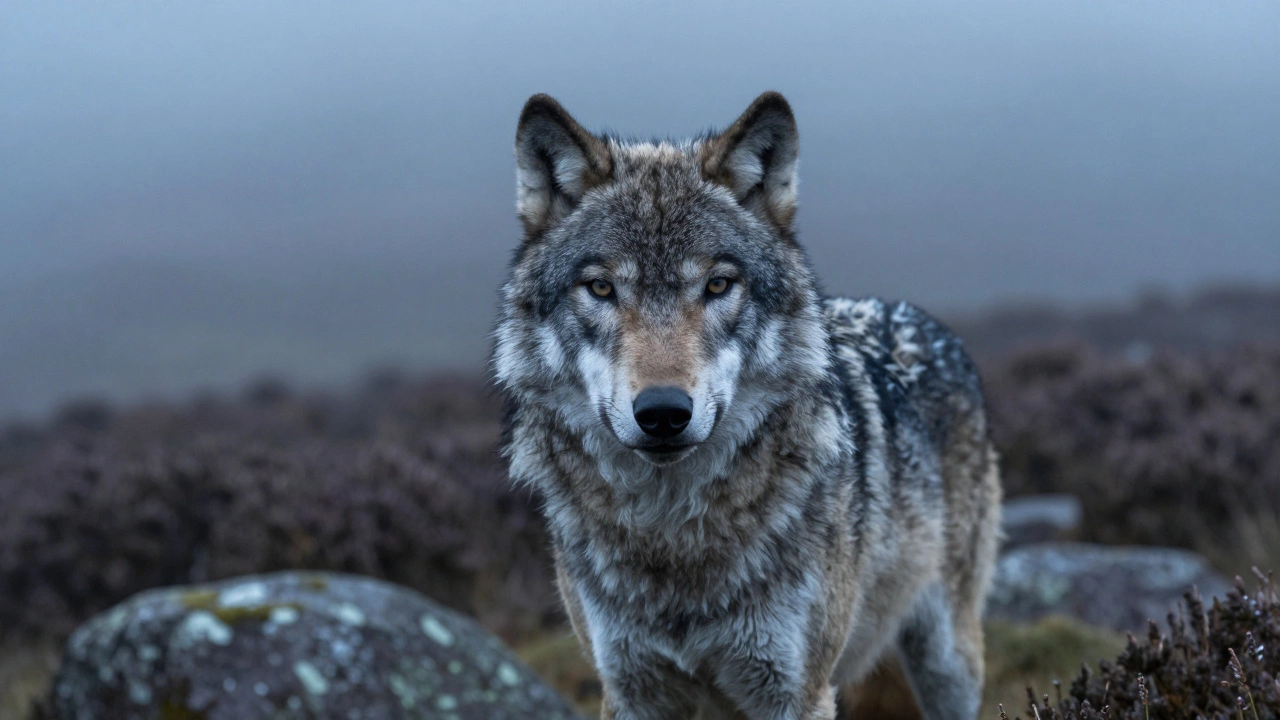
Think of a lone wolf wandering through the Scottish Highlands. As an organism, its primary concern is immediate survival. It needs calories to stay warm in the cold Edinburgh wind. It doesn’t care about the pack yet; it cares about its own heartbeat and hunger. If this individual fails to adapt to its immediate surroundings, it dies. That’s the stakes at the first level.
- Key Focus: Individual survival and reproduction.
- Example: A single red deer stag.
- Challenge: Meeting basic physiological needs (food, water, shelter).
2. The Population: Numbers Matter
When organisms of the same species live in the same area, they form a population. This shift changes everything because now we’re dealing with group dynamics. A population isn’t just a collection of individuals; it’s a unit that shares a gene pool and interacts socially.
Using our previous example, imagine that lone wolf joins a pack. Now we have a wolf population. Ecologists study populations to understand birth rates, death rates, and density. If the rabbit population in your local park explodes, the foxes will notice. If the wolf population drops too low, genetic diversity suffers, making them vulnerable to disease. You can’t manage conservation by looking at one animal; you have to look at the group.
| Feature | Organism | Population |
|---|---|---|
| Unit of Study | Single individual | Group of same species |
| Main Goal | Personal survival | Species continuity |
| Key Metric | Health/Age | Density/Growth Rate |
3. The Community: Who Lives Next Door?
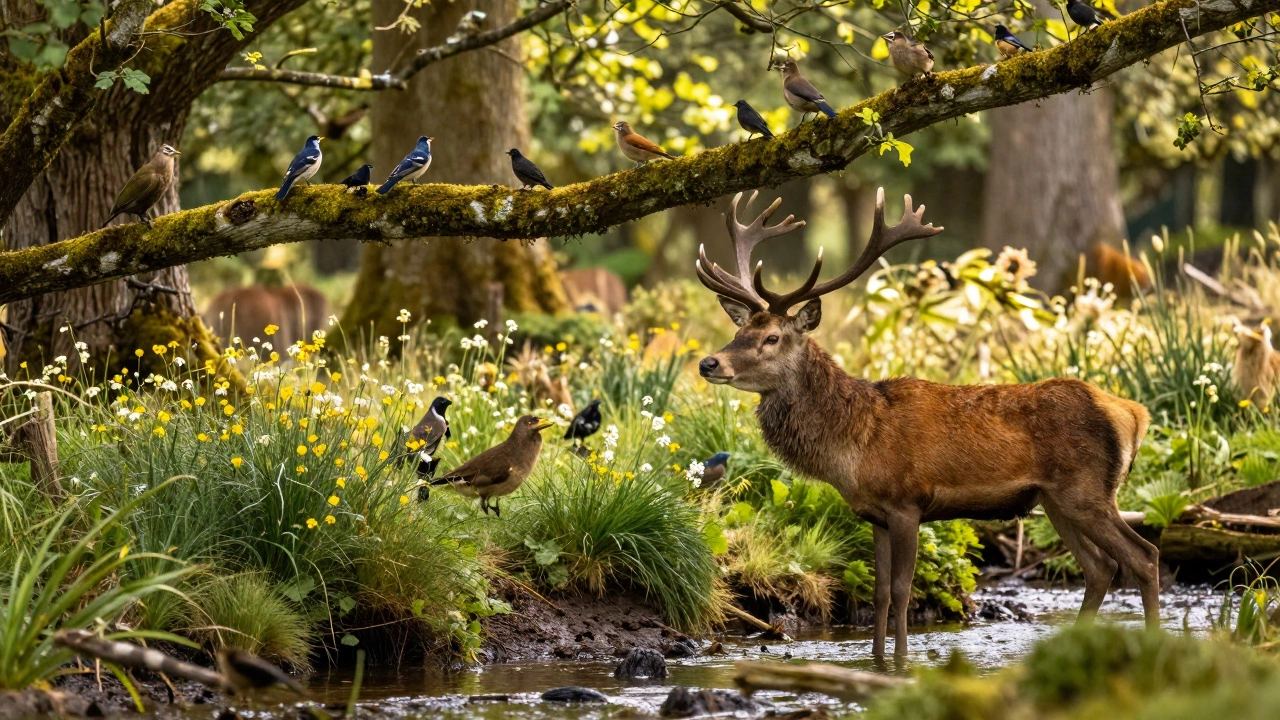
Now things get more complex. A community consists of all the different populations living and interacting in a specific area. This includes plants, animals, fungi, and microbes. It’s not just about wolves anymore; it’s about wolves, deer, ferns, beetles, and bacteria all sharing the same space.
In Edinburgh, consider the Royal Botanic Garden. The community there includes thousands of plant species, various bird populations, insect colonies, and soil microorganisms. These groups don’t exist in isolation. The bees pollinate the flowers, the birds eat the insects, and the decomposers break down dead leaves. This web of interactions-who eats whom, who competes for light, who cooperates-is the essence of community ecology.
If you remove one part of the community, say the top predator, the whole structure can collapse. This is why biodiversity is so critical. A diverse community is resilient; a simple one is fragile.
4. The Ecosystem: Adding the Non-Living World
This is where many people stop, but it’s crucial to go further. An ecosystem is the community plus the abiotic (non-living) factors in their environment. This includes sunlight, temperature, rainfall, soil type, and wind.
Why does this distinction matter? Because life doesn’t happen in a vacuum. The same community of plants and animals might thrive in a sunny valley but fail in a shady gorge due to lack of light. Or, a slight change in pH levels in a lake can wipe out fish populations even if the algae are fine. The ecosystem looks at energy flow and nutrient cycling. How does carbon move from the air into the trees and then into the soil?
In the UK context, the lochs of Scotland are freshwater ecosystems. They involve the fish (biotic) and the water chemistry, depth, and temperature (abiotic). Protecting an ecosystem means managing both the wildlife and the physical environment.
5. The Biome: Climate Defines the Landscape
Zoom out even further. A biome is a large geographical area characterized by specific climate conditions and dominant plant life. Biomes are defined by temperature and precipitation, not just location. You can find similar biomes on completely different continents.
The UK falls largely within the temperate broadleaf and mixed forest biome. This biome exists in parts of Europe, East Asia, and eastern North America. Despite the distance, these areas share similar seasons, moderate rainfall, and deciduous trees that lose their leaves in winter. Other major biomes include tropical rainforests, tundras, deserts, and taigas.
Understanding biomes helps us predict how climate change will affect regions. If the average temperature rises, a temperate forest might slowly transition into a Mediterranean shrubland biome. This isn’t just a label; it’s a prediction of future ecological shifts.
6. The Biosphere: The Global Stage
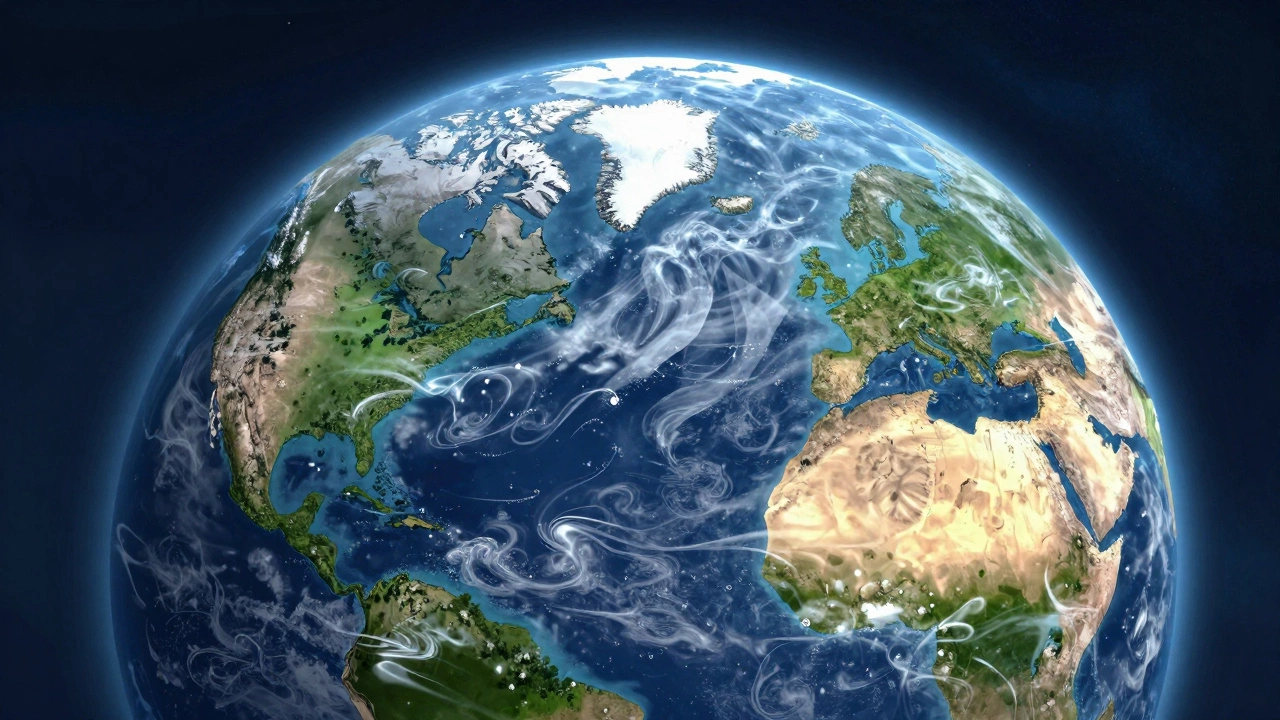
Finally, we reach the biosphere. This is the sum of all ecosystems on Earth. It’s the thin layer of our planet where life exists, extending from the deepest ocean trenches to the highest mountains and even into the lower atmosphere. The biosphere is where the geosphere (rock), hydrosphere (water), and atmosphere (air) interact to support life.
At this level, we talk about global cycles: the carbon cycle, the nitrogen cycle, and the water cycle. Pollution released in one country can travel through the atmosphere and affect the biosphere globally. Deforestation in the Amazon impacts rainfall patterns in South America. The biosphere reminds us that we are all connected on a planetary scale.
| Level | Definition | Scope |
|---|---|---|
| Organism | Individual living thing | Microscopic to Macroscopic |
| Population | Group of same species | Local Area |
| Community | All populations in an area | Local Area |
| Ecosystem | Community + Abiotic factors | Local to Regional |
| Biome | Large area with similar climate | Continental |
| Biosphere | All life on Earth | Global |
Why This Hierarchy Matters for Us
You might wonder why you need to know this hierarchy. Here’s the practical truth: problems at one level often require solutions at another. If you want to save a specific endangered bird (organism/population), you can’t just protect one nest. You need to protect the habitat it lives in (ecosystem). If you want to combat climate change, you aren’t just planting trees; you are stabilizing the biosphere.
As citizens, volunteers, or policymakers, understanding these levels helps us target our efforts effectively. Planting a native flower supports the local community. Reducing plastic waste protects the marine ecosystem. Advocating for clean energy policies safeguards the biosphere. Each action fits into this larger framework.
What is the difference between a community and an ecosystem?
A community includes only the living things (plants, animals, microbes) in an area. An ecosystem includes those living things plus the non-living physical environment like soil, water, air, and sunlight. Think of the community as the cast of characters and the ecosystem as the stage and props they perform on.
Can an organism belong to multiple communities?
Yes, especially if it has a large range. A bird might feed in a forest community, sleep in an urban park community, and migrate over a grassland community. However, ecologists usually define communities based on specific habitats where significant interaction occurs.
Is the biosphere the same as the Earth?
Not exactly. The Earth includes the core, mantle, and crust which are mostly uninhabitable due to extreme heat and pressure. The biosphere is specifically the zone where life exists, which is a relatively thin layer wrapping around the planet's surface.
How does climate change affect these levels?
Climate change primarily affects the biome and ecosystem levels by altering temperature and precipitation patterns. This forces organisms to adapt, migrate, or die. For example, rising temperatures may cause a tundra biome to shrink, forcing caribou populations to move northward into new territories.
Why is the population level important for conservation?
Conservationists focus on populations because a species is considered extinct when its last population disappears. Small populations are at risk of inbreeding and random events (like a storm). Managing population size and health is key to preventing extinction.