
What Are 5 Examples of an Environment? Real-World Cases You Can See Today
 Mar, 9 2026
Environment Assessment Tool
How would you rate your current environments?
Assess each environment type below to understand how your surroundings impact your well-being. Your results will show personalized insights based on your responses.
Natural Environment
The forests, parks, and green spaces that shape your surroundings.
Urban Environment
Your city or town, including streets, buildings, and public spaces.
Work Environment
Your workplace, whether office, home, or remote.
Social Environment
Your relationships and community connections.
Digital Environment
Your online spaces and digital interactions.
Your Environmental Assessment
Overall Quality: 0/5
Key Insights:
When people talk about the environment, they often picture forests, rivers, or wildlife. But that’s only part of the story. The environment isn’t just what’s outside your window-it’s everything around you that shapes how you live, think, and interact. From the air you breathe to the way your coworkers treat you, environments are everywhere. Here are five real, tangible examples of environments you experience every day.
The Natural Environment
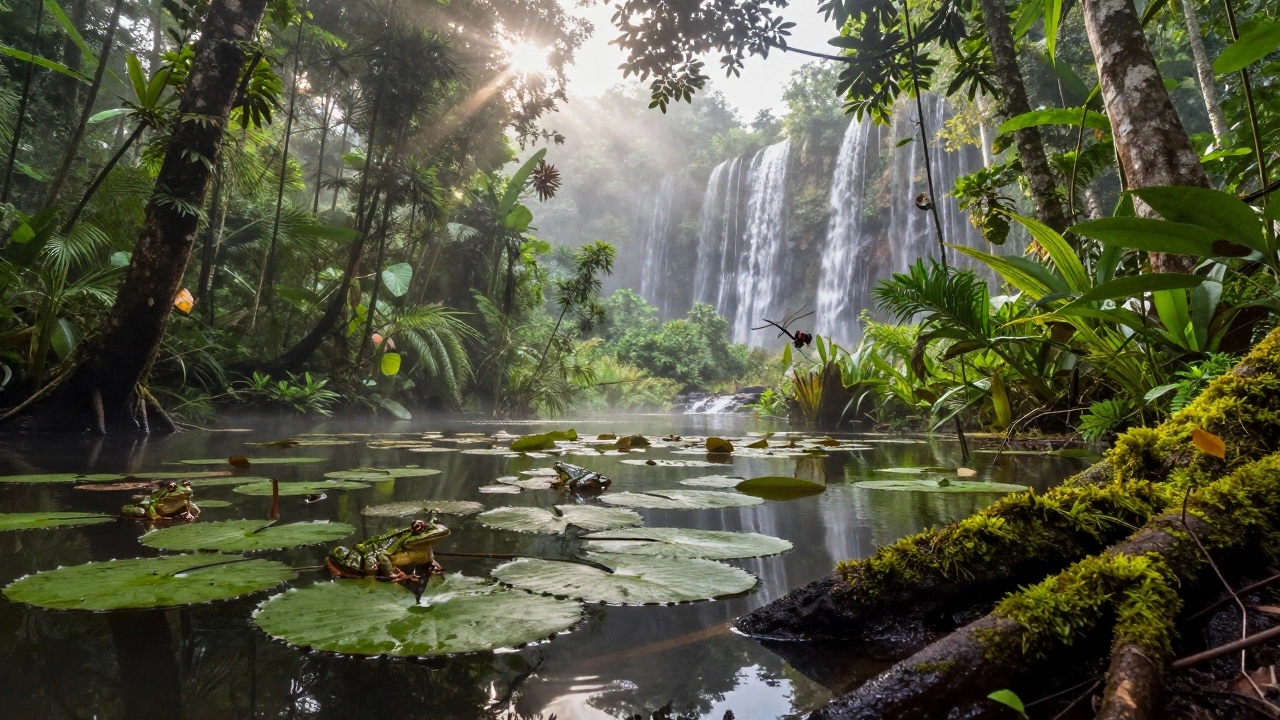
This is what most people think of first: forests, wetlands, coral reefs, deserts, and grasslands. These are systems where plants, animals, water, soil, and climate work together without major human interference. The Amazon Rainforest is one of the most complex natural environments on Earth. It holds 20% of the world’s freshwater and over 40,000 plant species. Even small natural environments matter-a backyard pond can host frogs, dragonflies, and algae that form a mini food chain. These places aren’t just pretty. They clean our air, store carbon, and provide food and medicine. When we lose them, we lose services we can’t easily replace.
The Urban Environment
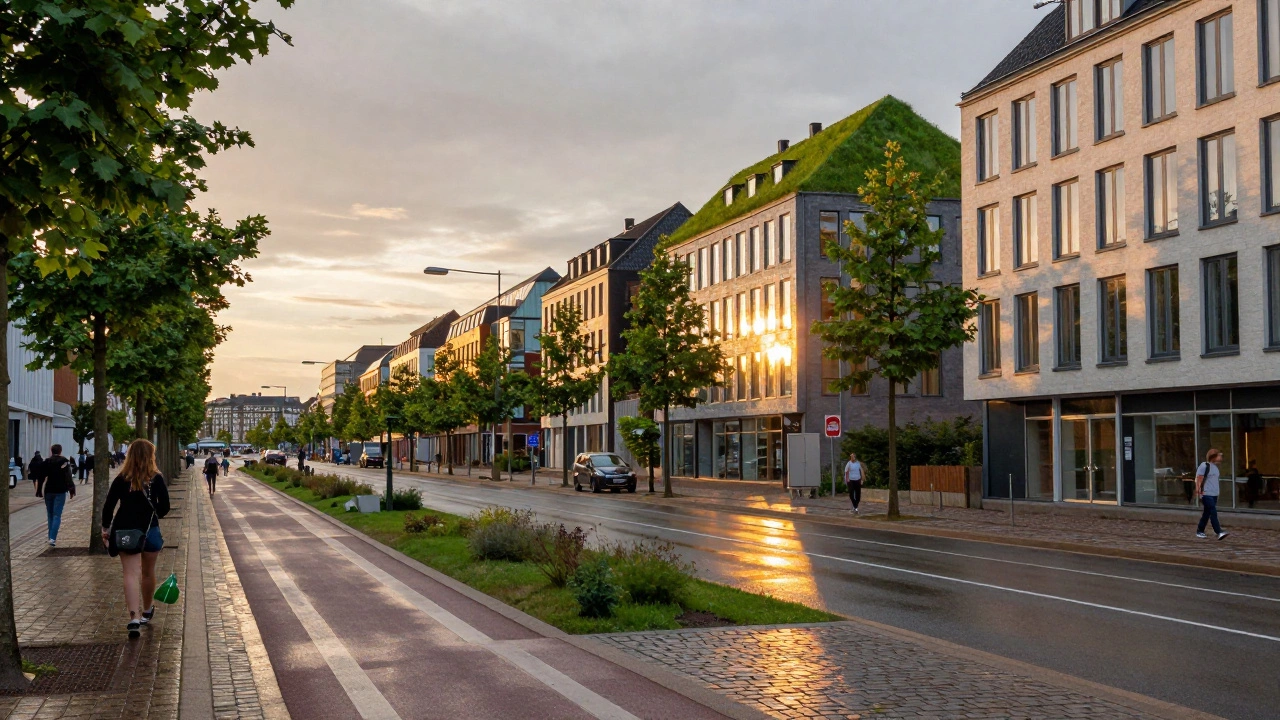
City life creates its own kind of environment. Think concrete sidewalks, traffic noise, streetlights, apartment buildings, and public transit. Urban environments are shaped by human design. In Tokyo, over 37 million people live in a space the size of the state of Maine. The air quality, access to green parks, and even the layout of sidewalks affect mental health and physical activity. Studies show people living near tree-lined streets report lower stress levels. But urban environments also bring challenges: heat islands, pollution, and lack of natural light. Cities like Copenhagen and Singapore are redesigning their urban environments by adding green roofs, bike lanes, and pedestrian zones-not just to look nice, but to make life healthier.
The Work Environment
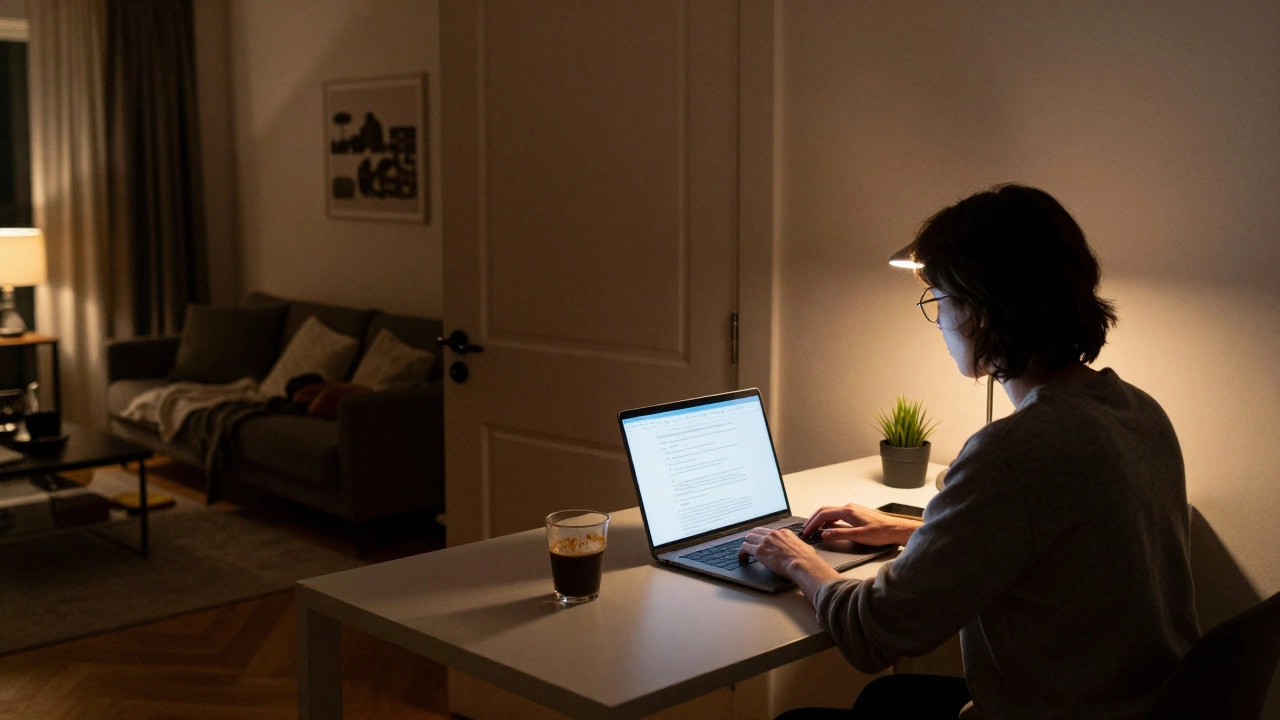
Your job isn’t just about tasks and paychecks. It’s about the environment you’re in every day. Is your office bright and quiet? Or is it cramped, noisy, and poorly lit? A 2023 study by the World Health Organization found that workers in well-designed spaces-ones with natural light, ventilation, and space to move-were 15% more productive and took 20% fewer sick days. Tech companies like Google and Microsoft invest millions in work environments because they know it affects creativity and retention. Even remote workers have a work environment: their home office setup, internet speed, and whether they have a door to close or sit at the kitchen table. The physical and emotional tone of your workplace matters more than you think.
The Social Environment
This one’s invisible, but it shapes your life just as much as the air you breathe. The social environment includes how people treat each other, cultural norms, trust levels, and community support. In neighborhoods where neighbors know each other’s names and look out for one another, crime rates drop and mental health improves. Schools with strong social environments-where bullying is rare and students feel heard-see higher graduation rates. On the flip side, places with high inequality, discrimination, or isolation create toxic social environments. A 2024 report from the American Psychological Association linked chronic social stress to higher rates of heart disease and depression. You can’t touch a social environment, but you feel its effects every day.
The Digital Environment
It’s not just a screen. The digital environment is the space you live in when you’re online. It includes social media feeds, app notifications, algorithm-driven content, data tracking, and even online harassment. For teens, this environment can be overwhelming. A 2025 survey of 10,000 U.S. teenagers found that 68% felt anxious after scrolling through curated social media content. Platforms like TikTok and Instagram don’t just show content-they shape self-image, sleep patterns, and attention spans. But the digital environment isn’t all bad. Online support groups help people with rare diseases find community. Educational apps give kids in rural areas access to teachers they’d never meet otherwise. The key is understanding that your digital environment isn’t neutral. It’s built by design, and it affects your mood, habits, and relationships.
Why It Matters
These five environments don’t exist in isolation. A polluted river (natural) affects the water supply in a city (urban). A stressful job (work) can strain family relationships (social). Social isolation (social) pushes people toward online spaces (digital) where they might face misinformation. You can’t fix one environment without looking at the others. That’s why environmental groups now work on more than just saving trees-they push for better housing, fairer workplaces, and safer online spaces. Because the environment isn’t just outside. It’s in your home, your job, your phone, and your community.