
What organization helps the environment? Top groups making a real difference
 Nov, 1 2025
When you ask, what organization helps the environment, you’re not just looking for a name-you want to know who’s actually moving the needle. Not every group with a tree logo is doing meaningful work. Some spend more on marketing than on planting trees. Others collect donations but never report results. So who’s worth your time, money, or voice?
Greenpeace: Taking direct action where it counts
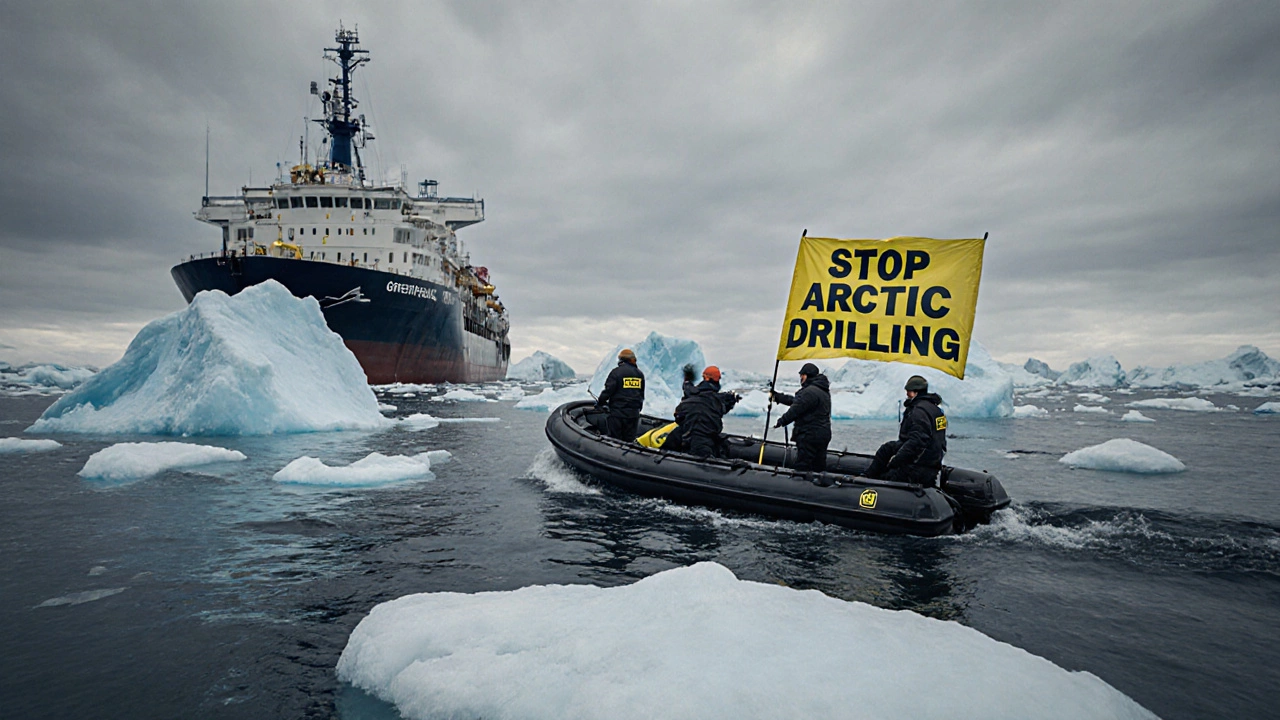
Greenpeace doesn’t wait for permission. It shows up. In 2023, Greenpeace activists blocked oil drilling ships in the Arctic, leading to a temporary halt in exploration permits. That’s not symbolism-it’s impact. Their campaigns have stopped offshore drilling in the North Sea, pressured major banks to cut fossil fuel funding, and forced supermarkets to remove single-use plastics from shelves. They don’t do small-scale cleanups. They target systems. Their campaigns are backed by scientific research, and they publish full reports online for anyone to verify. If you care about stopping large-scale environmental destruction, Greenpeace is one of the few groups with the resources and courage to take on corporations and governments directly.
World Wildlife Fund (WWF): Science-driven conservation
WWF works where data meets action. In 2024, they helped restore over 1.2 million acres of critical habitat across Asia and Latin America. Their tiger population program in Nepal increased wild tiger numbers by 63% in a decade. They don’t just say they protect species-they track them with satellite collars and camera traps. WWF partners with local communities, not just governments. In the Amazon, they train Indigenous rangers to monitor deforestation using smartphone apps. Their work isn’t flashy, but it’s measurable. You won’t see them chaining themselves to bulldozers, but you’ll see the forests still standing because of them.
The Nature Conservancy: Land protection at scale
If you think protecting nature means buying land, The Nature Conservancy does it better than almost anyone. Since 1951, they’ve protected over 125 million acres globally. That’s an area larger than Germany. In the U.S., they’ve restored wetlands in Louisiana that now buffer 100,000 homes from storm surges. In Kenya, they’ve helped farmers switch to drought-resistant crops while protecting watersheds. Their model? Buy or lease ecologically vital land, then manage it with science-not politics. They work with private landowners, corporations, and tribes. Their success isn’t measured in protests-it’s measured in acres saved, rivers cleaned, and species brought back from the edge.

350.org: Building a global climate movement
350.org doesn’t run sanctuaries or fund research. It runs people. Founded in 2008, it started with a single number: 350 parts per million of carbon dioxide-the safe upper limit for Earth’s atmosphere. We’re now at 421 ppm. 350.org’s job is to make sure that number doesn’t become a death sentence. They organize student strikes, fossil fuel divestment campaigns, and mass protests in over 190 countries. In 2023, their campaign pushed 500 universities and 1,200 religious institutions to pull investments from oil and gas. They don’t need millions in donations-they need millions of voices. If you believe change comes from public pressure, not just policy, 350.org is the engine behind the movement.
Ocean Conservancy: Cleaning up what’s already damaged
Every year, over 8 million tons of plastic enter the ocean. Ocean Conservancy doesn’t just talk about it-they clean it. Their International Coastal Cleanup, started in 1986, is now the world’s largest volunteer effort. In 2024, over 2 million volunteers removed 42 million pieces of trash from beaches and waterways across 150 countries. But they don’t stop at picking up bottles. They use that data to push for policy change. Their research led to plastic bag bans in 12 U.S. states and the EU’s single-use plastics directive. They also work with fishermen to replace lost nets with recyclable gear. Their work is gritty, physical, and necessary. You can join them on a beach this weekend and see the results in hours.
Friends of the Earth: Fighting pollution at its source
Friends of the Earth focuses on the root causes: industrial pollution, toxic chemicals, and corporate loopholes. In 2023, they exposed how a major chemical company was dumping PFAS-"forever chemicals"-into rivers across five states. Their legal team filed lawsuits that forced cleanup orders and compensation for affected communities. They’ve also pushed for bans on neonicotinoid pesticides linked to bee collapse. Their campaigns are local but have national ripple effects. In Scotland, their work helped pass the first law in the UK requiring companies to report their water pollution. They don’t need a big budget-they need people who show up to city council meetings, sign petitions, and call their reps.
How to choose the right one for you
Not every group needs your money. Some need your time. Others need your voice. Ask yourself: Do you want to see forests grow? Go with The Nature Conservancy. Do you want to stop new oil rigs? Greenpeace. Do you want to join a cleanup tomorrow? Ocean Conservancy. Do you want to change laws? Friends of the Earth. Do you want to build a global movement? 350.org. Do you want to protect species with science? WWF.
Check their transparency. Look for annual reports that show exactly how much went to programs vs. admin. The Better Business Bureau’s Wise Giving Alliance says reputable groups spend at least 75% of donations on programs. Avoid ones that don’t publish financials. And don’t fall for logos that look green but are funded by oil companies. A quick search for "[organization name] + funding sources" will tell you more than their website ever will.
What happens when you get involved
Volunteering with Ocean Conservancy for a single cleanup? You’ll remove hundreds of plastic pieces-and see firsthand how much is still out there. Donating to WWF? You’re funding satellite tracking for endangered elephants. Signing a petition with 350.org? You’re adding your name to a list that just convinced a bank to stop financing coal. It’s not about saving the planet alone. It’s about joining a network that’s already doing the work. You don’t have to fix everything. You just have to add your weight to the right side of the scale.
What environmental organization is the most effective?
There’s no single "most effective" group-it depends on what you care about. If you want to stop new oil drilling, Greenpeace leads. If you want to protect land, The Nature Conservancy has the largest footprint. If you want to clean up plastic, Ocean Conservancy runs the biggest volunteer effort. Effectiveness is measured by results: acres protected, policies changed, species saved. Look for organizations that publish clear data on their outcomes, not just emotional stories.
Are environmental nonprofits trustworthy?
Many are, but not all. Check their financial transparency using sites like Charity Navigator or GuideStar. Reputable groups spend at least 75% of donations on programs, not overhead or fundraising. Avoid those that don’t disclose where money goes. Also, watch for greenwashing-some groups take money from fossil fuel companies while pretending to be eco-friendly. A quick search for the organization’s name plus "funding" or "backers" will reveal hidden ties.
Can I help without donating money?
Absolutely. Many groups rely on volunteers more than donations. Ocean Conservancy’s beach cleanups need thousands of people every year. 350.org organizes local protests and letter-writing campaigns. Friends of the Earth needs people to attend city council meetings and call lawmakers. Even sharing their reports on social media helps spread awareness. Time and voice often matter more than money.
Which group has the biggest global impact?
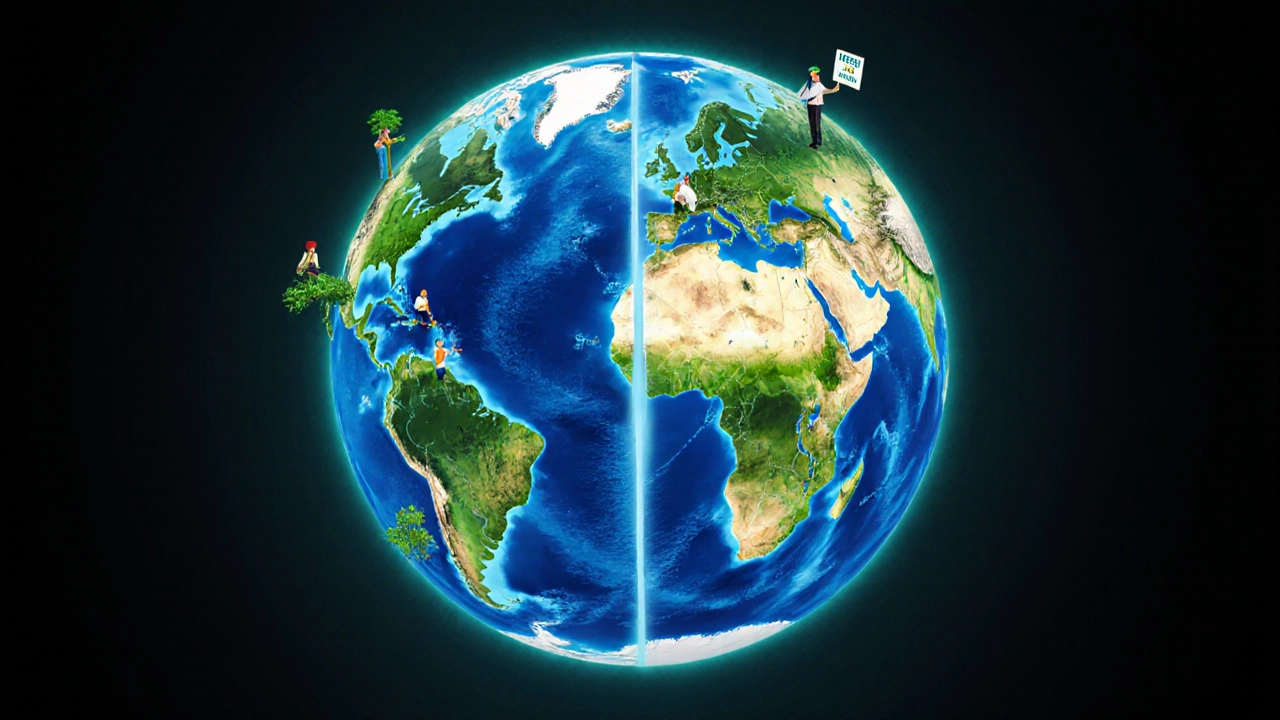
The Nature Conservancy and WWF have the broadest global reach, operating in over 70 countries. The Nature Conservancy has protected more land than any other group. WWF has led species recovery programs from the Amazon to the Himalayas. But 350.org has the widest grassroots network, with campaigns in 190 countries. Impact isn’t just about scale-it’s about depth. A group that changes one law in one country can have more lasting effect than one that plants trees in ten.
Do environmental groups work with governments?
Yes, but differently. WWF and The Nature Conservancy often partner with governments on conservation projects, like protected areas or wildlife corridors. Greenpeace and Friends of the Earth frequently challenge governments through protests and lawsuits. Both approaches work. Partnerships get things done on the ground. Confrontation gets policies changed. The best outcomes often come when both happen at once-science-backed restoration paired with public pressure for stronger laws.