
When people talk about volunteer resistance, a growing shift in how people choose to engage with community causes, often rejecting outdated models of charity work. Also known as volunteer fatigue, it’s not that folks don’t care—they’re just done with being asked to spend hours on tasks that don’t match their lives. This isn’t a decline in kindness. It’s a demand for change.
Think about it: why would someone who works two jobs, cares for kids or elderly parents, or just needs a break after a long day, sign up for a 4-hour shift at a food bank on a Saturday? The answer? They won’t—unless it feels meaningful, flexible, and real. That’s where community engagement, the practice of connecting people to local causes in ways that fit their time, skills, and values comes in. It’s not about asking more. It’s about asking differently. And that’s exactly what’s happening now. People are choosing micro-volunteering, skill-based help, or even just donating a few pounds online instead of showing up for a bake sale that takes half their weekend.
The volunteer shortage, the noticeable drop in traditional volunteer numbers despite rising community needs isn’t a mystery. It’s a symptom. Nonprofits kept using the same playbook from the 90s—flyers, sign-up sheets, guilt trips—while life moved faster. Meanwhile, nonprofit engagement, how organizations design opportunities that attract and keep supporters in today’s world is finally waking up. Some are letting people help in 30-minute bursts. Others are asking for expertise—graphic design, social media, or legal advice—instead of just handing out meals. A few are even letting volunteers pick their own projects.
This isn’t about giving up on helping. It’s about fixing how we ask for help. The old idea that volunteering means showing up in a vest and folding blankets doesn’t work anymore. What does? Real choices. Real impact. Real respect for people’s time. The posts below show exactly how that’s playing out—from people ditching the word "volunteer" altogether to communities building programs that actually fit modern life. You’ll see what’s working in Bristol, what’s failing elsewhere, and how you can still make a difference without burning out.
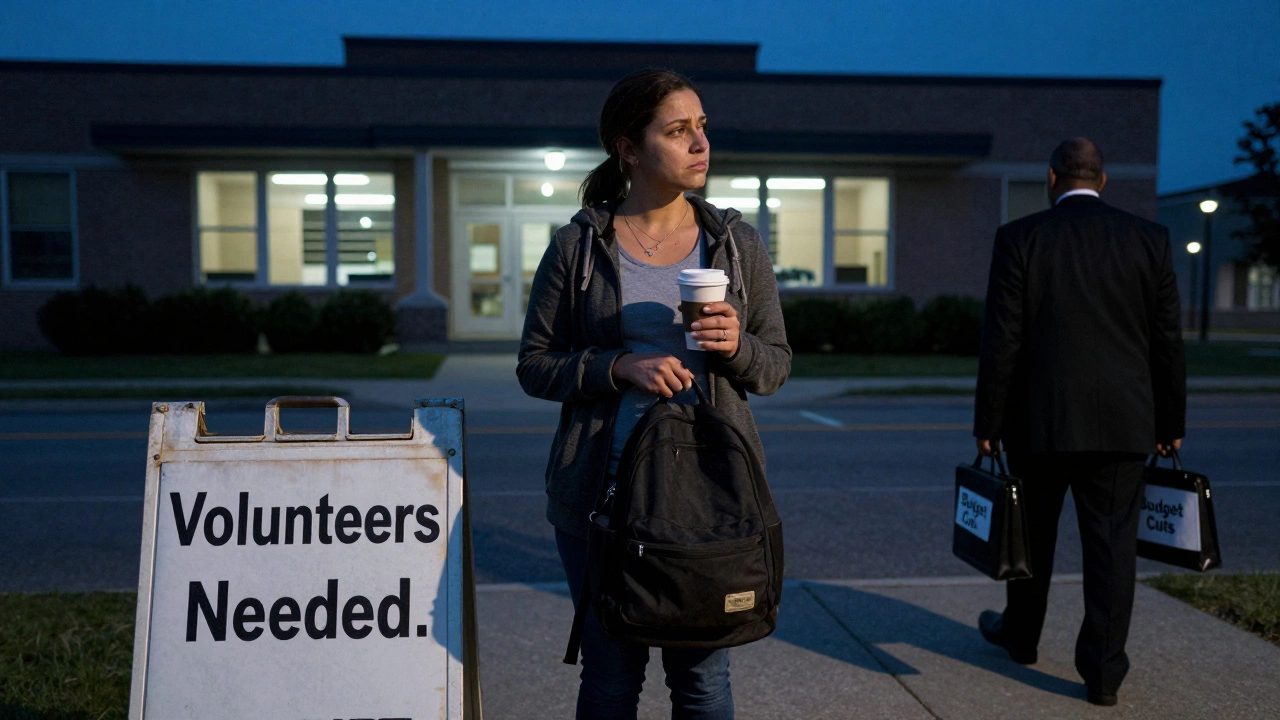
Many people resist volunteering not because they’re uncaring, but because they’re tired of being asked to fix broken systems with free labor. Here’s why some are saying no-and what real change looks like.
More© 2026. All rights reserved.