
When someone experiences trauma, a deeply distressing or disturbing experience that overwhelms a person’s ability to cope. Also known as psychological injury, it doesn’t always look like a dramatic event—it can be neglect, loss, abuse, or even chronic stress that builds up over time. Trauma doesn’t vanish when the moment passes. It lingers in the body, in sleepless nights, in the way someone avoids certain places or people. It shows up in kids who come home starving after school because no one checked if they ate lunch. It shows up in adults who can’t afford to fix a broken roof, or who sleep in their cars because there’s nowhere safe to go.
What makes trauma harder to heal is isolation. Too often, people are told to "just get over it," or they feel too ashamed to ask for help. But healing doesn’t happen in silence. It happens in connection. That’s where community support, a network of local organizations, volunteers, and neighbors who step in when systems fail. Also known as grassroots care, it’s often the difference between someone sinking and someone finding their footing again. Community outreach leaders don’t hand out pamphlets—they sit down with people, listen without judgment, and connect them to food banks, housing help, or trauma-informed counseling. These aren’t just services—they’re lifelines. And they’re not always found in hospitals or clinics. Sometimes they’re in a church basement, a community center, or a volunteer-run after-school club where a kid finally feels seen.
There’s no one-size-fits-all fix for trauma. But there are people in Bristol who know how to show up. Whether it’s through a food bank that gives more than meals, a home repair program that restores safety, or a fundraiser that funds mental health groups, real change happens when systems are patched by human care. You won’t find all the answers in a textbook. But you’ll find them in the stories of those who’ve been there—and those who’ve chosen to help.
Below, you’ll find real stories and practical guides from people who’ve walked this path—whether they’re trying to understand trauma, help someone else through it, or rebuild after it. No fluff. No jargon. Just what works, here, now, in Bristol.
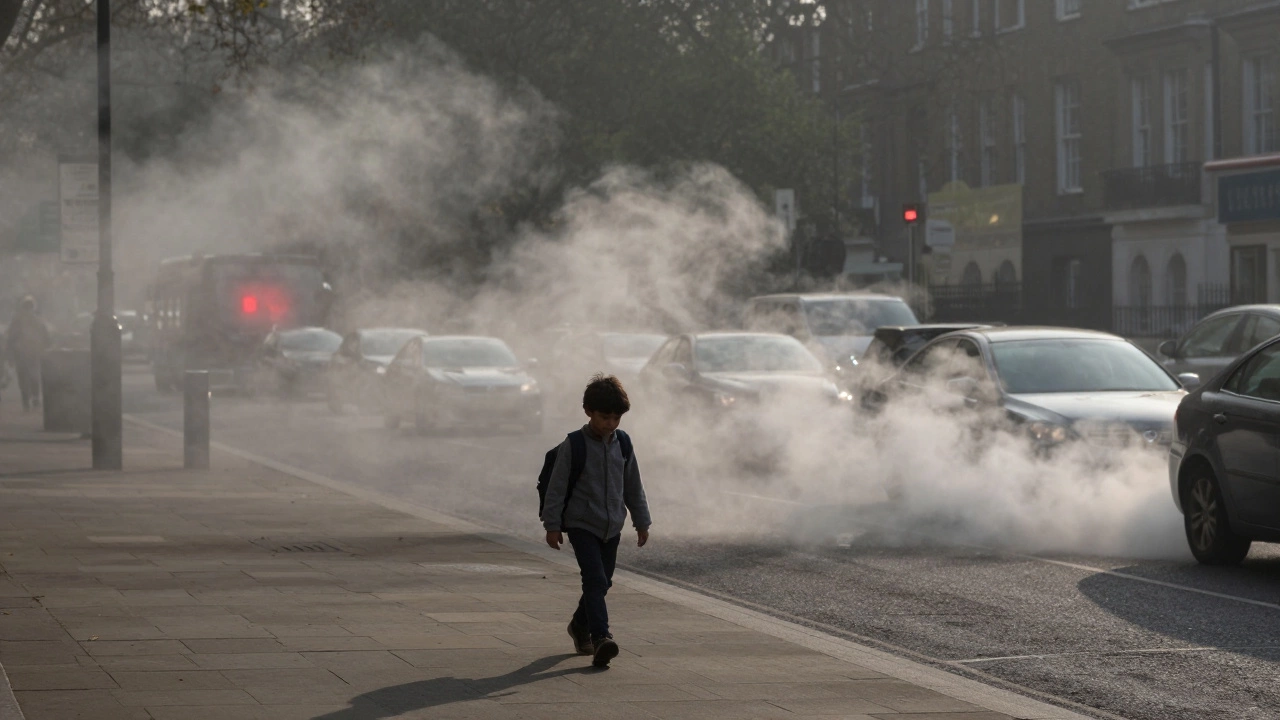
Environmental factors like air pollution, noise, lack of green space, poor housing, and social isolation are proven contributors to mental illness. Learn how your surroundings affect your mental health-and what can be done.
More© 2026. All rights reserved.