
When someone experiences social isolation, the state of having little or no contact with other people, often leading to emotional distress and physical health risks. It’s not the same as being alone—many people choose solitude and feel fine. But social isolation happens when you’re cut off, whether by circumstance, illness, age, or lack of support. It doesn’t care if you’re young or old, rich or struggling. It shows up in quiet homes, empty bus stops, and silent phone lines.
Older adults are often the most visible group affected, especially those living alone after losing a partner or mobility. But it’s also hitting younger people—new parents stuck at home, teens without friends, people recovering from illness, or those who moved to Bristol and never found their crowd. loneliness, the emotional response to social isolation, often follows. And it’s not just a feeling—it’s linked to higher risks of heart disease, depression, and even early death. The good news? community support, organized local efforts to connect people and reduce disconnection. It’s not magic. It’s coffee mornings, walking groups, food share programs, and neighbors checking in. Bristol has dozens of small, local groups doing exactly that—because real connection doesn’t need a big budget. It just needs someone to show up.
Some of the most powerful fixes aren’t clinical. They’re simple: a weekly phone call, a shared meal, a volunteer showing up to help fix a broken step so someone can get outside. These aren’t just nice gestures—they’re life-saving actions. And they’re happening right here, led by people who’ve seen the cost of silence.
What you’ll find below are real stories, practical guides, and local resources that show how Bristol is tackling this quietly growing crisis. From food banks that double as connection hubs, to outreach leaders who knock on doors because no one else will, to programs that help seniors stay safe at home—these aren’t abstract ideas. They’re people doing the work. And if you’ve ever felt alone, or know someone who has, you’ll find something here that helps.
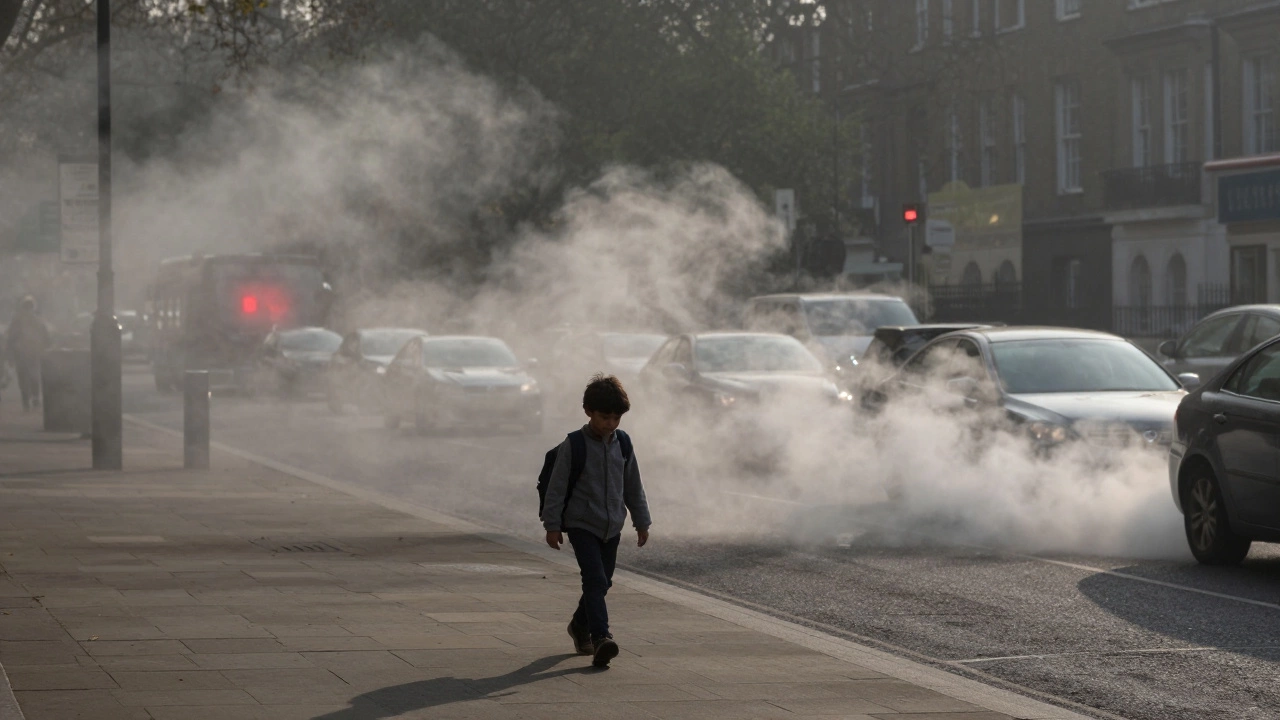
Environmental factors like air pollution, noise, lack of green space, poor housing, and social isolation are proven contributors to mental illness. Learn how your surroundings affect your mental health-and what can be done.
More© 2026. All rights reserved.