
When we talk about volunteering, giving time or skills without pay to support a cause or community. Also known as community service, it’s often framed as a moral duty or personal growth opportunity. But not everyone does it—and that doesn’t mean they don’t care. The truth is, volunteering isn’t for everyone, and pushing people to join isn’t always helpful. In fact, forcing the idea that everyone should volunteer ignores real barriers people face every day.
One big reason people avoid volunteering is volunteer burnout, the exhaustion that comes from giving too much without support or recognition. Think of someone who helped at a food bank for years, then got sidelined when they needed time off. No one thanked them. No one asked how they were doing. That kind of experience doesn’t inspire more help—it drives people away. And it’s not rare. A 2023 UK survey found that nearly 40% of former volunteers quit because they felt used, not valued.
Another major issue is time commitment, the rigid, inflexible hours many charities still demand. Modern life doesn’t run on 9-to-5 schedules. Parents juggle shifts, gig workers hop between jobs, caregivers are tied to home. When a charity says, "We need you every Thursday from 4 to 7," that’s not an invitation—it’s a barrier. People want to help, but not on outdated terms. Flexible, micro-volunteering options exist, but most organizations haven’t caught up.
Then there’s community engagement, the way organizations connect with people who aren’t already involved. Too often, outreach feels like preaching to the choir. Flyers in churches, posts on Facebook groups full of activists—what about the person working two jobs, scrolling on their phone at midnight? If your call to action doesn’t meet people where they are, it won’t land. And that’s not a failure of the public—it’s a failure of the system.
Some people simply don’t trust charities. They’ve seen money vanish, heard stories of mismanagement, or watched volunteers get praised while paid staff get ignored. Why give your time to a system that doesn’t value its own workers? Others are dealing with mental health struggles, financial stress, or family crises. Asking them to volunteer isn’t kindness—it’s adding another weight to an already heavy load.
This isn’t about blaming people for not showing up. It’s about asking why the system keeps asking the same way, year after year, and wonders why fewer respond. The volunteer shortage isn’t because people are selfish. It’s because the model is broken. We need better ways to invite people in—not guilt them into it.
Below, you’ll find real stories and research on why people walk away from volunteering, what alternatives actually work, and how communities can rebuild trust—not just recruit more bodies. These aren’t excuses. They’re clues.
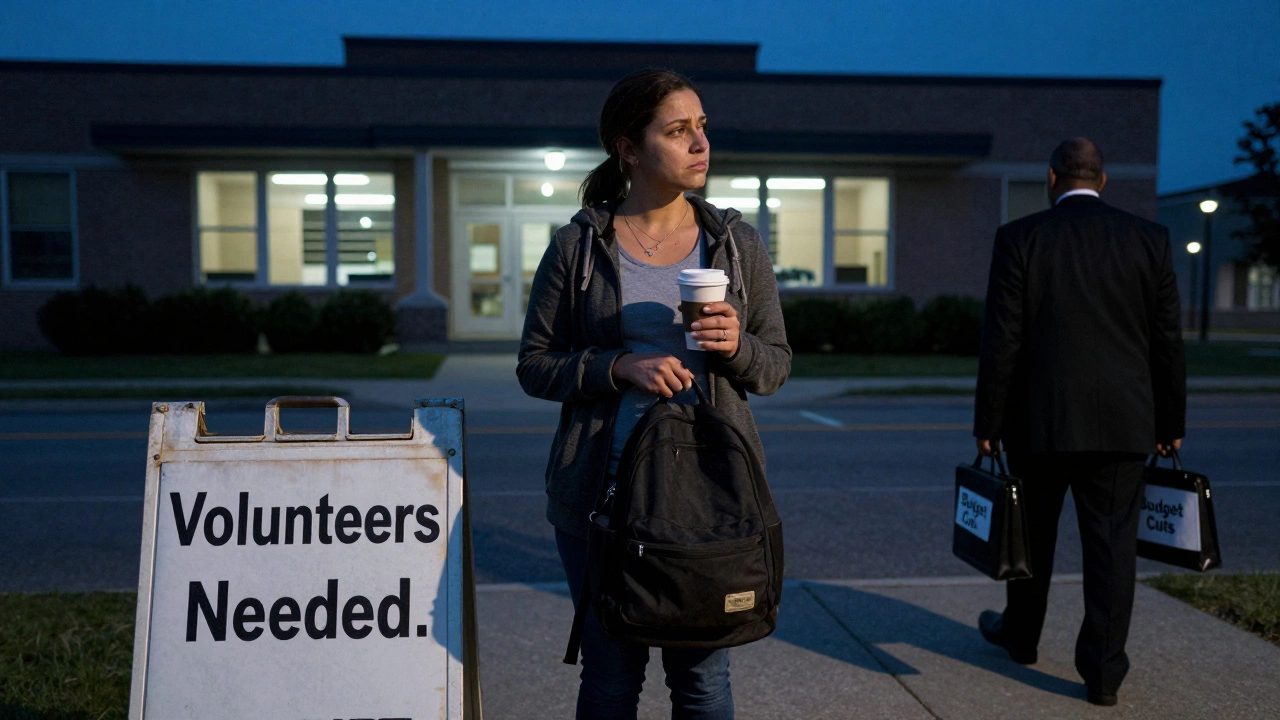
Many people resist volunteering not because they’re uncaring, but because they’re tired of being asked to fix broken systems with free labor. Here’s why some are saying no-and what real change looks like.
More© 2026. All rights reserved.