
When we talk about mental illness, a group of conditions that affect thinking, mood, and behavior, often requiring medical and social support. Also known as mental health conditions, it’s not just feeling sad or stressed—it’s when those feelings take over your life and you can’t shake them without help. Many people in Bristol live with mental illness every day, quietly, without support. Some struggle with borderline personality disorder, a condition marked by intense emotional swings, fear of abandonment, and difficulty maintaining relationships. Others face treatment-resistant depression, a form of depression that doesn’t respond to standard medications or therapy, leaving people feeling hopeless even when they try everything. These aren’t abstract terms—they’re real experiences that shape how people eat, sleep, work, and connect with others.
What makes mental illness harder to deal with isn’t just the symptoms—it’s the silence around it. Too often, people are told to "just snap out of it" or told their pain isn’t "bad enough" to count. But the truth is, mental illness doesn’t care how strong you are. It doesn’t wait for a convenient time. And it doesn’t go away because you ignore it. In Bristol, there are people trying to change that. Community groups, outreach leaders, and local charities are stepping in to fill gaps the system leaves behind. They offer safe spaces, peer support, and practical help—like connecting people to food banks when depression makes cooking impossible, or helping seniors with home repairs when anxiety keeps them trapped inside. These aren’t flashy campaigns. They’re quiet, daily acts of care that make all the difference.
You won’t find all the answers in a brochure or a doctor’s office. Real help comes from knowing someone else gets it. That’s why the posts below cover what it’s actually like to live with mental illness—not just the clinical facts, but the daily struggles, the missed meals, the lost jobs, the moments when asking for help felt worse than staying silent. You’ll also find stories about what works: how one person found relief through a local support group, how a community fundraiser paid for therapy sessions no one else would cover, and how changing the language around mental health—like replacing "volunteer" with more meaningful terms—helps people show up without feeling used. This isn’t about fixing people. It’s about fixing the system so no one has to suffer alone.
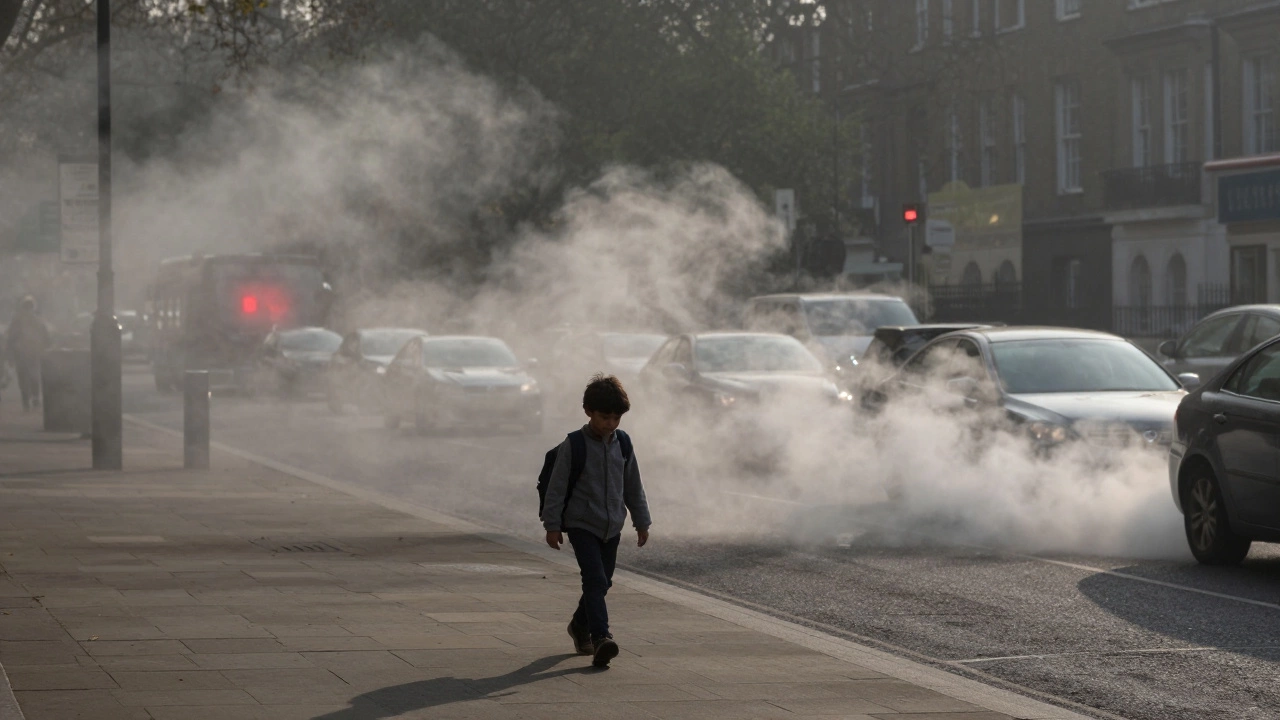
Environmental factors like air pollution, noise, lack of green space, poor housing, and social isolation are proven contributors to mental illness. Learn how your surroundings affect your mental health-and what can be done.
More© 2026. All rights reserved.