
When we talk about environmental factors, the natural and human-made conditions that affect ecosystems and human health. Also known as ecological pressures, they include everything from air and water quality to soil health, noise pollution, and climate patterns. These aren’t abstract ideas—they’re the air you breathe, the water you drink, and the land your kids play on. If you’ve ever wondered why your local park has fewer birds, or why summer heatwaves keep getting worse, it’s because of these factors—and they’re changing fast.
Ecosystems, natural communities of plants, animals, and microorganisms interacting with their physical environment are the backbone of life on Earth. The seven main types—forests, wetlands, grasslands, deserts, tundra, aquatic, and artificial—each play a unique role. Forests absorb carbon. Wetlands filter water. Grasslands hold soil in place. When one breaks down, the whole system feels it. That’s why environmental organizations, groups dedicated to protecting nature through advocacy, science, and direct action matter. Some focus on stopping oil drilling. Others clean oceans or fight plastic waste. A few even help communities adapt to rising sea levels or extreme heat. You don’t need to be an expert to support them—just know which ones are actually getting results.
Climate change, long-term shifts in temperature and weather patterns caused mostly by human activity is the biggest environmental factor today. It’s not just about hotter summers. It’s about food shortages, more frequent floods, and families losing homes. In 2024, global temperatures hit record highs. Extreme weather isn’t rare anymore—it’s normal. And behind every headline, there are people on the ground: volunteers planting trees, local groups pushing for clean energy, parents organizing after-school clubs to teach kids about sustainability. These aren’t big charity events. They’re quiet, daily actions that add up.
What you’ll find below isn’t a list of feel-good stories. It’s a real look at what’s happening—and who’s doing something about it. You’ll read about the groups actually protecting ecosystems, the cheapest ways communities are raising money for green projects, and why some people are saying no to volunteering—not because they don’t care, but because they’re tired of band-aid solutions. You’ll see how food banks are tied to climate-driven crop failures, how senior home repairs connect to heat-safe housing, and why the most successful fundraisers aren’t the flashiest—they’re the ones that make people feel like they’re part of something real.
This isn’t about guilt. It’s about clarity. You don’t need to save the whole planet tomorrow. But you do need to understand what’s at stake—and where your time, voice, or even $5 can actually make a difference.
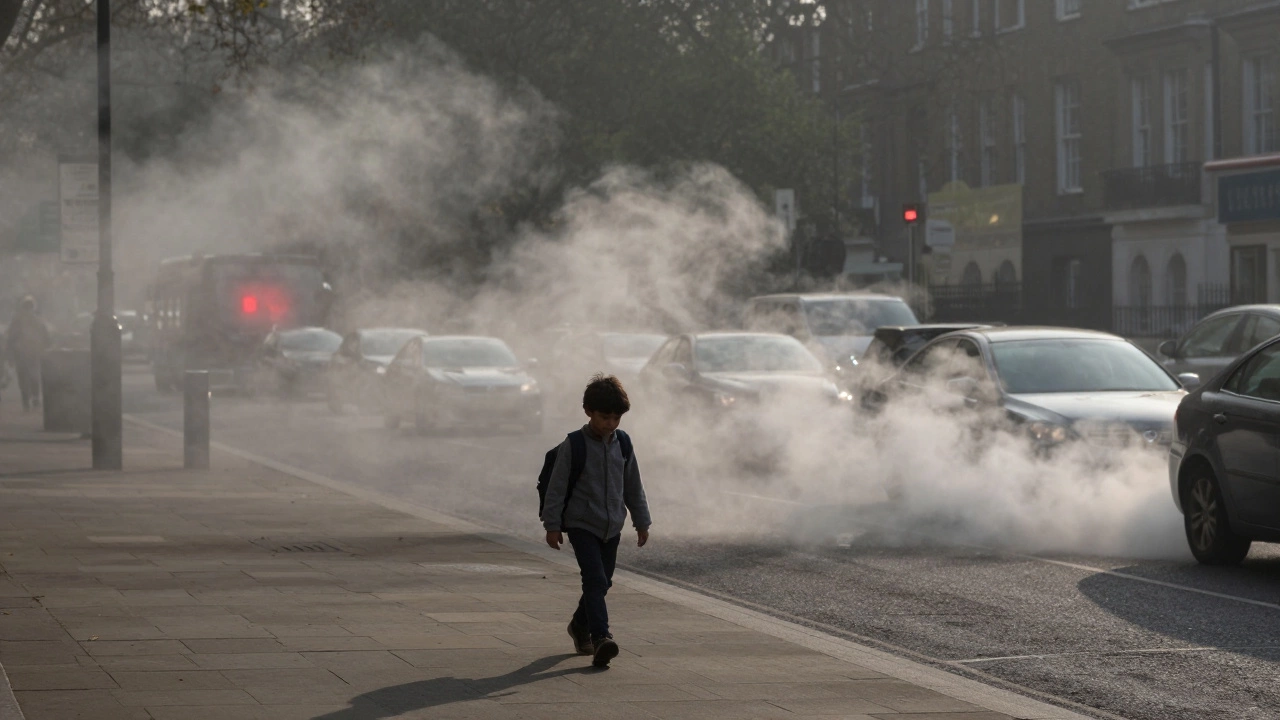
Environmental factors like air pollution, noise, lack of green space, poor housing, and social isolation are proven contributors to mental illness. Learn how your surroundings affect your mental health-and what can be done.
More© 2026. All rights reserved.