
Why Should One Volunteer? Real Reasons People in the UK Choose to Give Their Time
 Jan, 26 2026
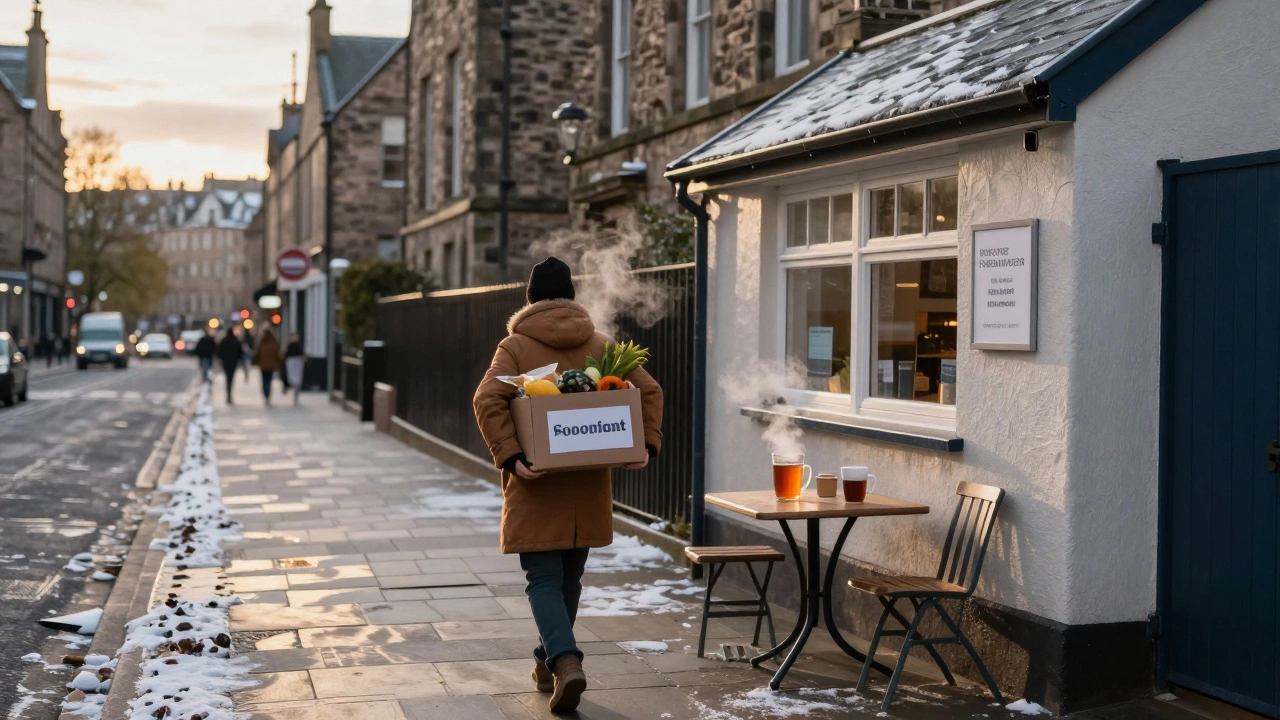
It’s 7 a.m. on a Saturday in Edinburgh. The sky is still grey, the streets are quiet, and you’re already awake-not because you have to be, but because you chose to be. You’re heading to the local food bank to sort donations. No pay. No applause. Just a warm coat, a cup of tea, and the quiet satisfaction of knowing someone else will eat today because you showed up.
Why do people do this? Not because they’re forced to. Not because it looks good on a resume. But because, in a world that often feels disconnected, volunteering brings back something real: purpose.
You’re not just helping others-you’re helping yourself
Volunteering isn’t a one-way street. It’s a loop. When you give your time, you get something back-something harder to measure than money, but just as valuable. A 2023 study by the Scottish Government found that people who volunteered regularly reported higher levels of life satisfaction than those who didn’t. Not because they were saints, but because helping others triggers real chemical changes in the brain. Dopamine. Serotonin. Oxytocin. The same chemicals that make you feel good after a run or a hug.
Think about it: when was the last time you felt truly needed? Not because your boss asked for a report, or your friend wanted a text back, but because someone depended on you to show up. That feeling? It’s rare. Volunteering gives you that. Whether you’re tutoring a child, walking a dog at a shelter, or packing meals for elderly neighbours, you become part of a chain of care. And that chain holds you up, too.
It builds real connections in a lonely world
Loneliness isn’t just a feeling-it’s a public health issue in the UK. Over 9 million people say they often feel lonely, according to the Campaign to End Loneliness. Volunteering cuts through that. It doesn’t ask you to be social. It just asks you to be present. And presence is powerful.
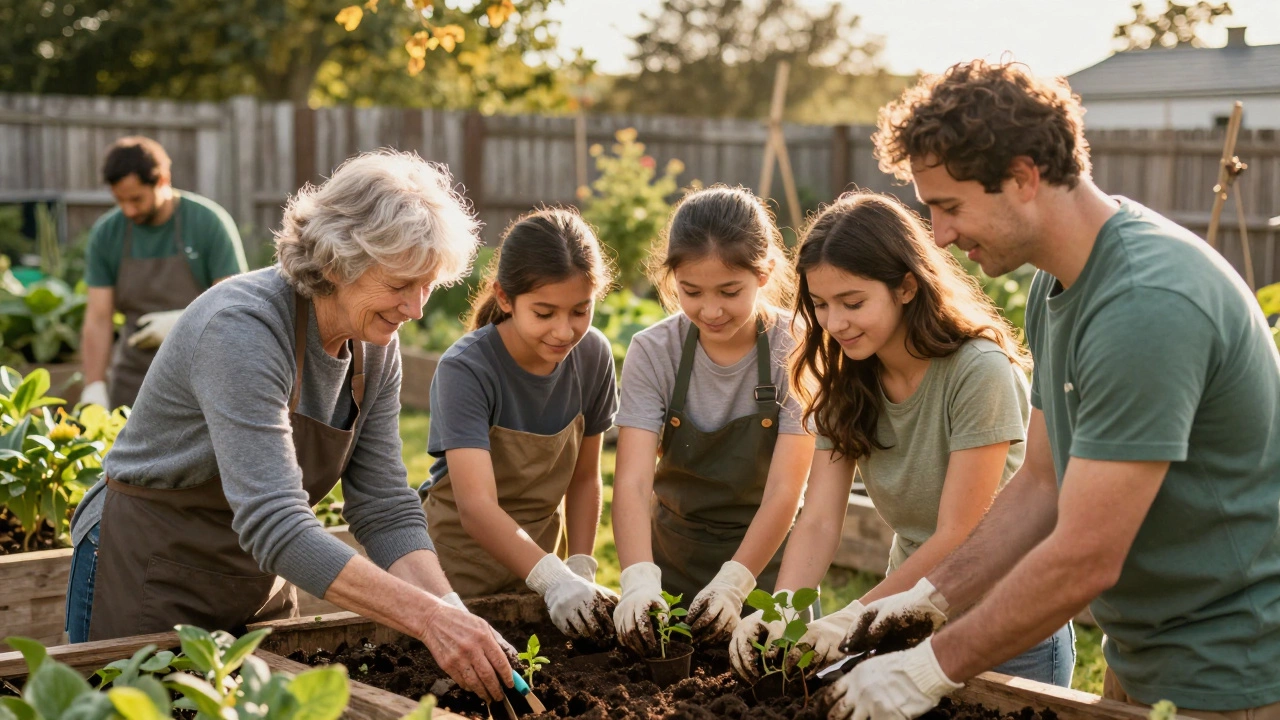
At the Edinburgh Community Garden, volunteers come from all walks of life: a retired teacher, a student on break, a single parent working two jobs. They don’t talk about politics or social media. They talk about soil, seedlings, and which tomatoes ripen fastest. In those moments, labels fall away. You’re not a ‘job title’ or a ‘social media follower.’ You’re just someone who cares about growing something together.
These aren’t superficial friendships. These are the kinds of bonds that form when you’ve shoveled compost side by side for months. People remember who brought the gloves. Who stayed late to fix the fence. Who showed up even when it rained.
You discover skills you didn’t know you had
Most people think volunteering means handing out sandwiches or stuffing envelopes. It can be that. But it can also be so much more.
One woman in Glasgow started volunteering at a local animal rescue just to get out of the house. Six months later, she was managing their social media, designing posters, and training new volunteers. She never took a marketing course. She just learned by doing.
Volunteering is a low-risk space to try new things. You can lead a group. Organize a donation drive. Learn basic first aid. Build a website. Write grant applications. You don’t need experience. You just need willingness. And that willingness often unlocks confidence you didn’t know you were missing.
For young people, it’s a chance to explore careers without the pressure of a job interview. For older adults, it’s a way to stay sharp, engaged, and valued. For anyone, it’s a chance to prove to yourself: I can do more than I think.
It changes how you see your community
Have you ever walked past a homeless person and felt guilty but didn’t know what to do? Or seen a park covered in litter and thought, ‘Someone should clean that up’-but never did?
Volunteering turns ‘someone’ into ‘me.’
When you spend time at a local shelter, you stop seeing ‘the homeless’ as a statistic. You see Maria, who used to work as a nurse before her illness. You see Jamal, who’s saving up to get his GED. You see people with names, stories, and dignity.
That changes everything. Suddenly, your local council’s budget cuts don’t feel abstract. They feel personal. You start showing up at town halls. You talk to your neighbours. You stop accepting ‘that’s just how it is.’
Volunteering doesn’t just fix problems-it makes you part of the solution. And once you’re part of the solution, you can’t unsee the problem.
It creates ripple effects you can’t predict
One man in Dundee started volunteering at a youth centre after losing his job. He taught kids how to fix bikes. A year later, one of those kids started a local bike repair business. Now he hires other young people who’ve been through the same struggles.
That’s a ripple. One act. One hour a week. And now, a small business. Jobs created. Confidence built.
Volunteering doesn’t always look like a big win. Sometimes, it’s just a teenager who finally believes they can pass their maths exam because you sat with them every Tuesday. Or an elderly woman who smiles because you called her every Friday to check in.
Those moments don’t make headlines. But they change lives. And they change you.
It’s not about being perfect-it’s about showing up
Some people don’t volunteer because they think they don’t have enough time. Or they’re not skilled enough. Or they’re afraid they’ll mess up.
Here’s the truth: no one expects perfection. They just need you to be there.
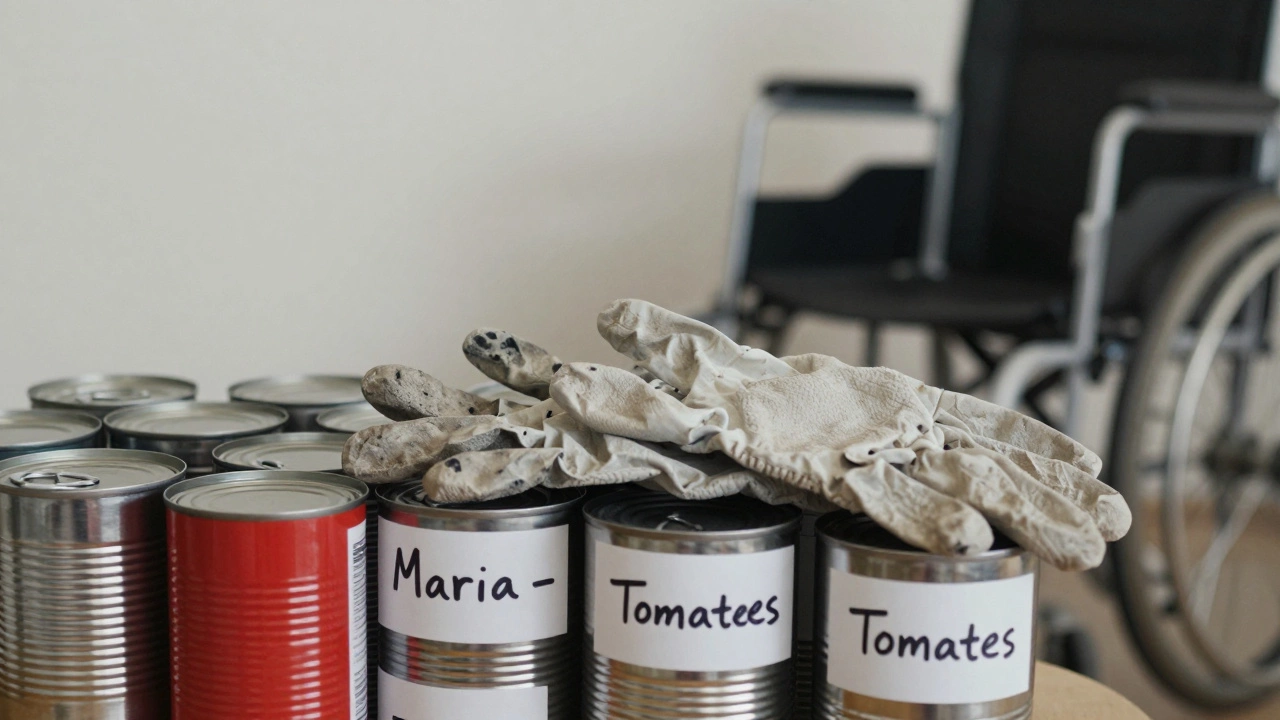
At the Edinburgh Food Bank, volunteers come for an hour. Or two. Or four. Some bring their kids. Some bring their dogs. One man comes every Thursday with his wheelchair and sorts canned goods. He doesn’t lift heavy boxes. But he labels them. And that matters.
You don’t need to save the world. You just need to help someone feel seen. One shift. One day. One hour. That’s enough.
Where to start if you’ve never volunteered before
Start small. Don’t try to commit to 20 hours a week. Try one afternoon. Here’s how:
- Ask yourself: What kind of problem makes you angry or sad? (Homelessness? Animal welfare? Literacy?)
- Search for local groups using volunteer + your town name (e.g., ‘volunteer Edinburgh’).
- Call or email one organisation. Say: ‘I’m new to this. What do you need help with this week?’
- Go once. No pressure to come back.
- If it felt right, go again.
Most places don’t require experience. Just a willingness to listen, show up, and try.
It’s not charity. It’s connection.
Volunteering isn’t about being a hero. It’s about being human.
When you give your time, you’re not lifting someone else up-you’re lifting yourself up too. You’re reconnecting with what matters: community, purpose, and the quiet power of showing up for someone else.
So why should you volunteer? Because you’re not just giving time. You’re getting back something no app, no paycheck, no scroll can replace: the feeling that you belong-to something bigger, something real.
Do I need special skills to volunteer?
No. Most organisations welcome people with no prior experience. Whether you’re good with kids, handy with tools, or just good at listening, there’s a role for you. Many groups offer training on the spot.
How much time do I need to commit?
It depends on you. Some people volunteer for an hour a month. Others give a few hours a week. Many organisations offer one-off opportunities-like helping at a food drive or cleaning a park. You choose what fits your life.
Can I volunteer if I have a disability?
Absolutely. Many organisations are set up to include volunteers with all kinds of abilities. Roles can be adapted-phone support, data entry, event planning, or even just being a friendly face. Your contribution matters regardless of how you give it.
Is volunteering only for older people or students?
No. People of all ages and backgrounds volunteer-from teens to retirees. Working professionals, stay-at-home parents, freelancers-everyone has something to offer. The only requirement is that you care enough to show up.
What if I don’t like it the first time?
That’s okay. Not every opportunity is the right fit. Try another. Maybe you prefer working outdoors instead of indoors. Or with animals instead of people. Volunteering is about finding your match-not forcing yourself into a role that doesn’t feel right.