
Who Benefits More from Volunteering? The Hidden Truths
 Nov, 29 2026
Volunteering Impact Quiz
Think you know who gets more out of volunteering? Take this quick quiz based on recent research and sociological insights to test your understanding of the "Hidden Truths" behind charitable work.
According to the article, what is a primary psychological benefit for volunteers known as the "helper's high"?
What term do sociologists use to describe the links between different social groups that provide access to new opportunities through volunteering?
How does volunteering specifically help with skill acquisition compared to formal education?
What is a potential risk of poorly managed volunteering programs for recipients?
According to the article, which approach yields more personal growth for a volunteer?
Quiz Results
Review Your Answers
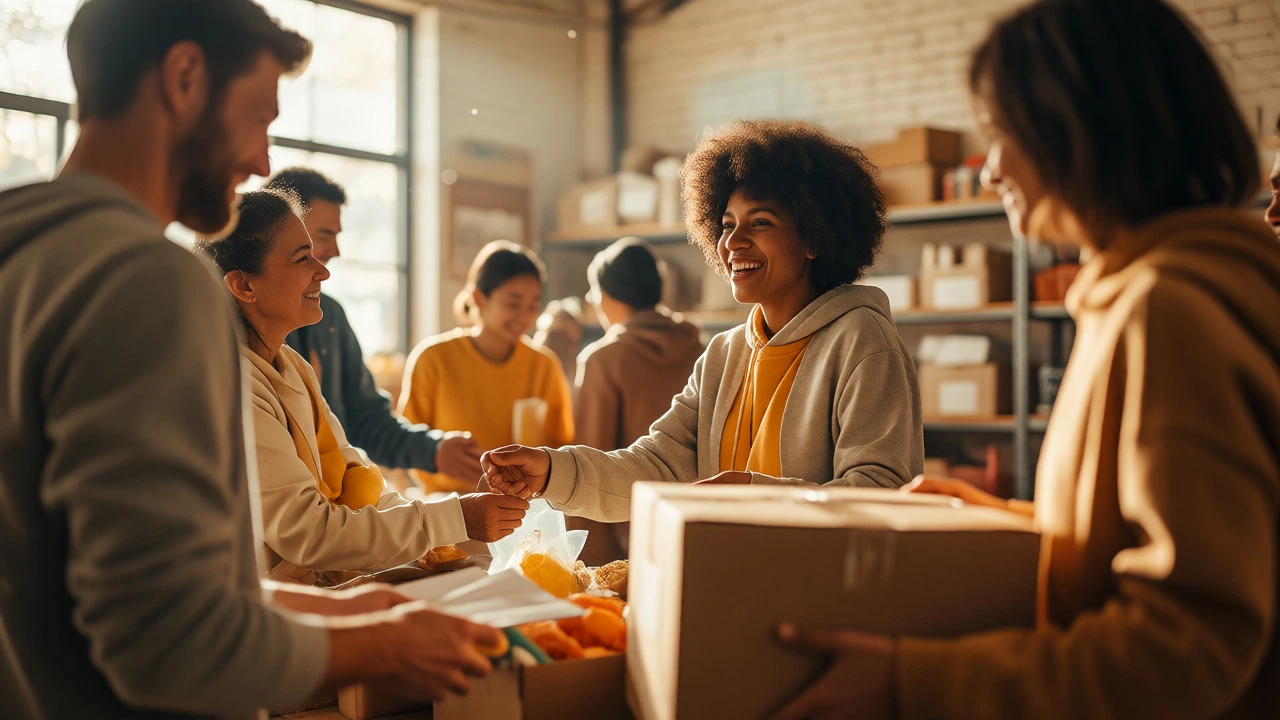
You might assume the answer is obvious. The person receiving help gets the biggest win, right? But ask anyone who has spent a Saturday morning sorting donations at a food bank or teaching English to refugees in Edinburgh, and you’ll hear a different story. They often talk about feeling more energized, connected, and purposeful than before they walked through the door. This isn’t just feel-good fluff; it’s backed by decades of psychological and sociological research. So, who really benefits more from volunteering? The short answer: both parties do, but in ways that are surprisingly asymmetrical.
The Myth of One-Way Giving
We tend to view charity as a transaction where resources flow one way-from the wealthy or able-bodied to the needy. But human connection doesn’t work like a bank transfer. When you volunteer, you aren’t just donating time; you’re engaging in a reciprocal exchange of dignity, perspective, and energy. The recipient gains tangible support, yes, but the volunteer often gains intangible assets that are harder to quantify but arguably more valuable for long-term well-being.
| Benefit Type | Recipient Impact | Volunteer Impact |
|---|---|---|
| Tangible Support | High (food, shelter, education) | Low (minimal financial cost) |
| Mental Health | Moderate (reduced stress via aid) | High (increased happiness, lower depression risk) |
| Social Connection | Variable (depends on program) | High (new networks, reduced isolation) |
| Skill Acquisition | Low (unless vocational training) | High (leadership, empathy, technical skills) |
The Psychological Dividend for Volunteers
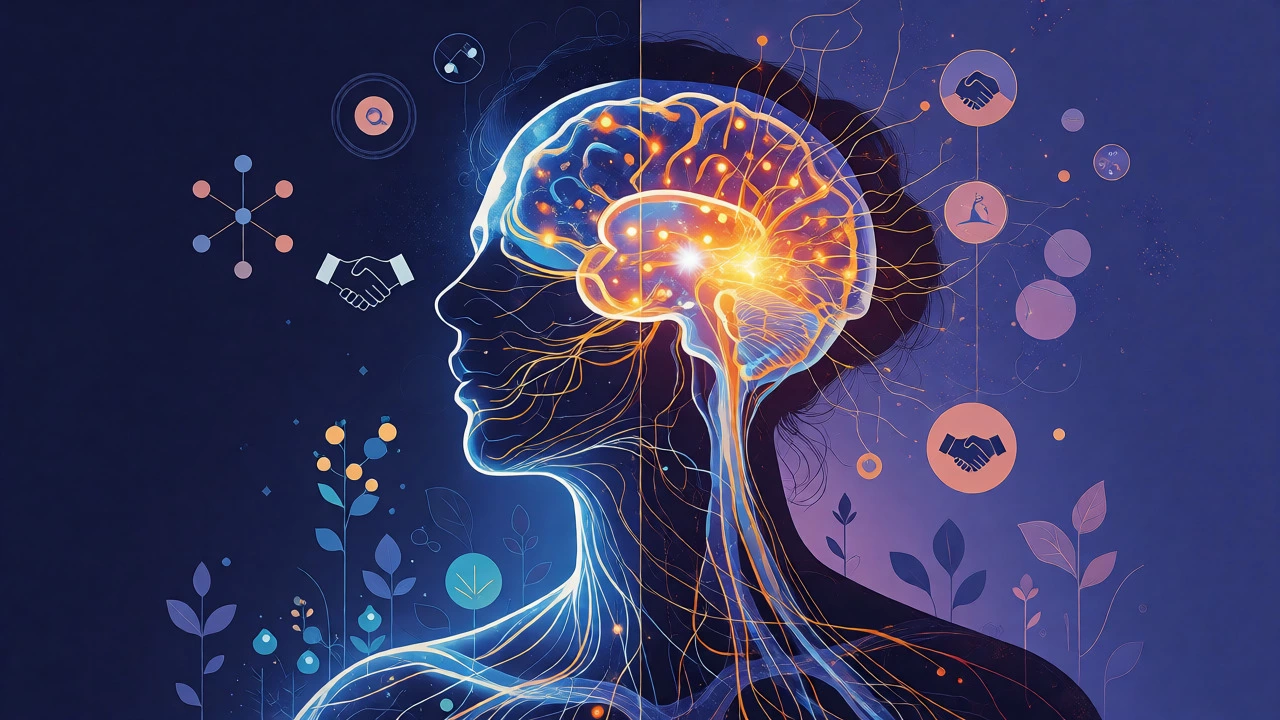
Let’s look at the brain first. When you help someone, your body releases endorphins-a phenomenon researchers call the "helper's high." This isn't metaphorical. Studies from institutions like the London School of Economics have shown that spending money on others increases happiness more than spending it on yourself. Volunteering amplifies this because it involves active engagement rather than passive donation.
Prosocial Behavior is the voluntary action intended to benefit others, which triggers reward centers in the human brain similar to eating chocolate or winning money. Also known as altruistic behavior, it creates a positive feedback loop: helping makes you feel good, so you want to help again. For many people, especially those struggling with anxiety or depression, this shift in focus is therapeutic. Instead of ruminating on personal problems, you’re forced to engage with the immediate needs of another person. It breaks the cycle of self-absorption that often worsens mental health issues. In my own experience living in Edinburgh, I’ve noticed that neighbors who volunteer at local shelters seem less stressed during winter months when the days are short and dark. They have a reason to get out, a community to return to, and a sense of agency that combats feelings of helplessness.Social Capital: Building Networks That Matter
If you’re looking to advance your career or simply make friends outside your usual bubble, volunteering is a cheat code. It places you in proximity to people you wouldn’t otherwise meet. You might be a software engineer working alongside a retired teacher and a university student. These diverse connections build what sociologists call "bridging social capital"-links between different social groups that provide access to new information and opportunities.
Consider the job market. Employers increasingly value soft skills like teamwork, communication, and problem-solving. A resume bullet point saying "Managed a team of five volunteers for a weekend cleanup drive" demonstrates leadership far better than a generic statement about being a "team player." It shows initiative and real-world application. For young people entering the workforce, this is crucial. Many graduates struggle to find their first job because they lack experience. Volunteering fills that gap without requiring prior employment.- Networking: Meet mentors and peers in your field or interest area.
- Reputation: Build a track record of reliability and commitment.
- Diversity: Interact with people from different backgrounds, reducing prejudice.
Skill Development and Personal Growth
Volunteering is an unpaid internship that pays in competence. If you join a disaster relief organization, you learn crisis management under pressure. If you tutor children, you hone your patience and explanatory skills. If you help run a fundraising gala, you pick up event planning and public speaking abilities.
Unlike formal education, these lessons stick because they are learned in context. You don’t just read about empathy; you practice it while listening to someone’s difficult life story. You don’t just study logistics; you figure out how to feed fifty people with limited resources. This practical learning accelerates personal growth in ways that classroom theory cannot match. Many adults report that volunteering helped them discover hidden talents or passions they never knew they had. Perhaps you find you love gardening while helping maintain a community park, leading to a new hobby or even a side business.The Recipient’s Perspective: Dignity Over Dependency
It would be unfair to dismiss the benefits to the recipient. They are profound. Access to food, housing, education, or healthcare can literally save lives. But beyond survival, there is the aspect of dignity. When a volunteer treats a recipient with respect and sees them as a partner rather than a burden, it restores a sense of worth. This is particularly important in contexts like homelessness or elder care, where individuals often feel invisible to society.
However, poorly managed volunteering can sometimes create dependency or undermine local efforts. The key is mutual respect. Effective programs empower recipients to take charge of their own solutions, using volunteers as support rather than saviors. When done right, the recipient gains not just immediate aid, but also confidence and hope. They see that people care, which can motivate them to seek further assistance or engage more actively in their community.
Finding the Right Fit for Maximum Benefit
Not all volunteering experiences are equal. To maximize your benefits, you need to align your skills and interests with the opportunity. If you hate crowds, don’t force yourself into a busy soup kitchen line unless you’re specifically trying to overcome social anxiety. If you’re passionate about animals, walk dogs at a shelter rather than filing paperwork for a political campaign.
Here is a quick checklist to ensure you’re getting the most out of your service:- Assess Your Skills: What are you naturally good at? Writing? Listening? Physical labor?
- Identify Your Values: Do you care more about environmental sustainability or social justice?
- Check the Organization’s Culture: Do they value volunteers as partners or just free labor?
- Set Boundaries: Commit to a schedule you can actually keep to avoid burnout.
The Ripple Effect on Community Health
Finally, consider the broader picture. Communities with high rates of civic engagement are healthier, safer, and more resilient. When people know their neighbors, they look out for each other. Crime drops, trust rises, and collective problem-solving improves. By volunteering, you contribute to this social fabric. You become part of the infrastructure that holds society together.
This systemic benefit loops back to you. Living in a stronger community means better schools, cleaner parks, and more supportive neighbors. So, while the immediate beneficiary might be the person you served today, the long-term beneficiary is everyone, including you. It’s a shared investment in quality of life.Does volunteering reduce stress?
Yes, numerous studies indicate that volunteering lowers cortisol levels and reduces symptoms of depression. The physical activity involved in many roles, combined with social interaction and a sense of purpose, contributes significantly to stress reduction.
Can volunteering help me change careers?
Absolutely. Volunteering allows you to gain relevant experience, develop transferable skills, and network with professionals in your target industry. It provides concrete examples of your capabilities to showcase in interviews.
What if I don't have much time to volunteer?
Even small commitments count. Micro-volunteering tasks, such as translating documents online or mentoring via email, require minimal time but still offer significant benefits to both the recipient and the volunteer.
Is it possible to volunteer remotely?
Yes, remote volunteering has grown rapidly. Opportunities include virtual tutoring, graphic design for non-profits, data entry, and crisis text line support. Digital tools make it easy to connect with causes regardless of location.
How do I choose the right charity?
Look for transparency in finances, clear mission statements, and positive reviews from past volunteers. Visit their website, attend an open day, or speak with current staff to gauge if their culture matches your values.