
Where to Go When Homeless: A Practical Guide to Shelters and Emergency Support
 Jul, 9 2026
Emergency Shelter & Resource Finder
What is your current situation?
Select the option that best describes where you are right now.
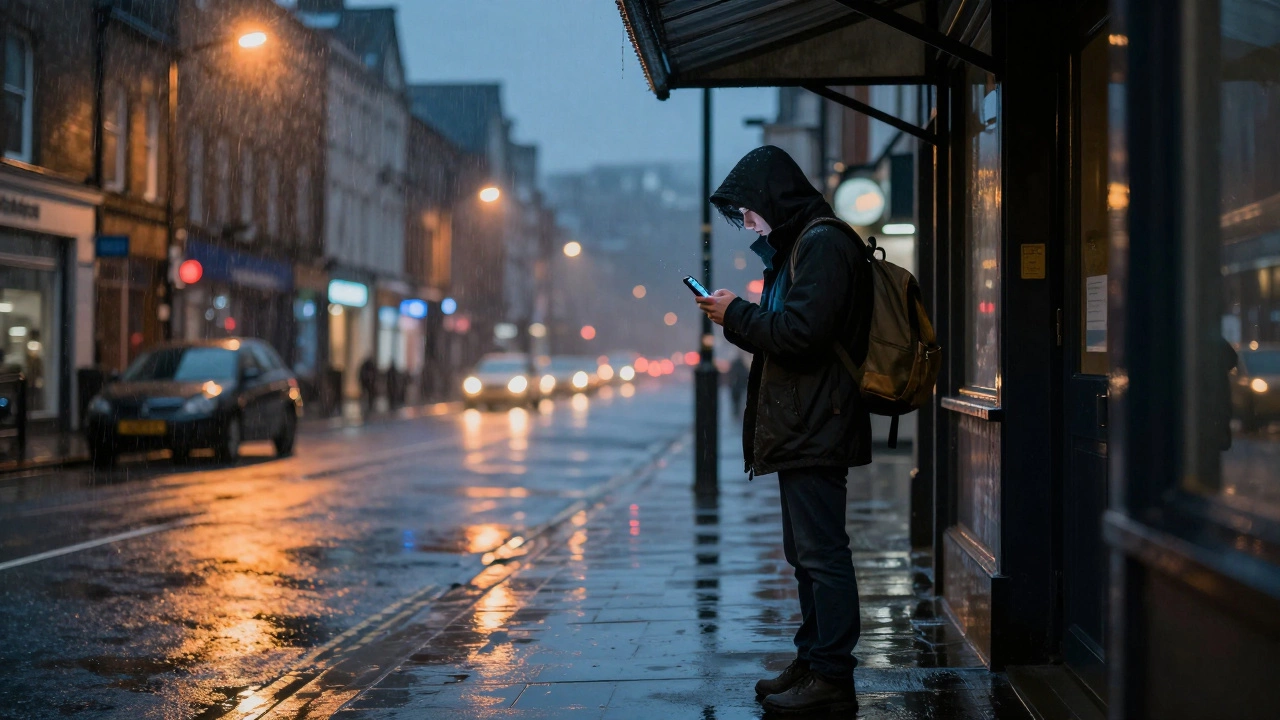
It is 11 PM. You have nowhere to sleep. The streets are getting colder, or perhaps the rain has just started to pour. Your phone battery is at 4%, and you feel a mix of exhaustion and panic. Where do you actually go? This is not a theoretical question for millions of people worldwide; it is an immediate, life-or-death logistical challenge.
Finding a safe place to rest when you are experiencing homelessness requires navigating a complex web of government services, charitable organizations, and emergency protocols. The answer depends heavily on your location, your age, whether you have children, and the time of day. There is no single universal address, but there are specific systems designed to help you find one tonight.
What is the first step if I am homeless right now?
If you are in immediate danger or cannot find shelter, contact local emergency services. In many countries, calling the main emergency number (like 911 in the US or 999/112 in Europe) can connect you with street outreach teams who know where open beds are located that night.
Immediate Options: Night Shelters and Drop-In Centers
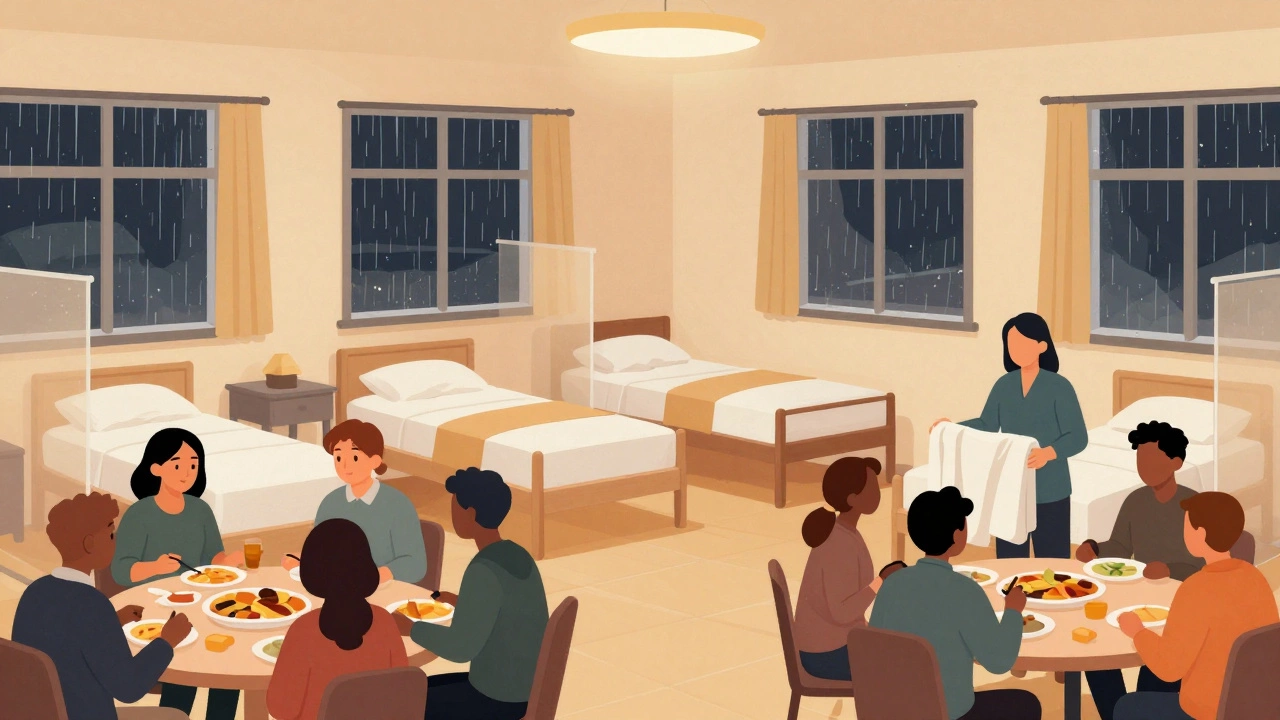
The most direct answer to "where to go" is a night shelter, which is a facility providing temporary overnight accommodation for people without permanent homes. These are distinct from long-term housing solutions. Their primary goal is safety and basic needs for the next 8 to 12 hours.
Not all shelters are the same. Some are gender-specific, while others separate men and women into different wings. Many require you to arrive early-sometimes as early as 5 PM-to secure a bed because capacity is limited. If you miss the cutoff time, you may be turned away, which is why knowing the schedule is critical.
- Emergency Hostels: Often run by local governments or large charities like St Mungo's in the UK or Salvation Army globally. They provide a bed, a lockable locker, and sometimes breakfast.
- Drop-In Centers: These may not offer sleeping bags or beds but provide a warm space, hot food, showers, and laundry facilities during the day. They are crucial for hygiene and connecting with caseworkers.
- Refugees and Asylum Seekers: Specific shelters exist for these populations, often managed by specialized NGOs rather than general homeless services.
To find these, you need to look beyond generic search engines. Local directories, such as StreetLink in the United Kingdom or 211 in the United States and Canada, act as central hubs. Calling 211 connects you to community resource specialists who can tell you exactly which shelter has an open bed within your zip code right now.
Navigating Government Assistance: The Path to Permanent Housing
A night shelter solves today’s problem, but it does not solve tomorrow’s. For lasting stability, you must engage with public housing authorities. In many developed nations, the government has a legal duty to assist those who are "intentionally homeless" versus those who are "statutorily homeless." Understanding this distinction can determine whether you receive priority housing.
In the UK, for example, if you become homeless through no fault of your own, the local council has a duty to rehouse you. This process starts with an assessment interview. You will need to prove your identity and explain how you lost your home. Be prepared to provide documents like birth certificates, previous rental agreements, or bank statements. Without proof, the process slows down significantly.
| Type of Facility | Primary Purpose | Typical Requirements | Duration of Stay |
|---|---|---|---|
| Night Shelter | Overnight safety and sleep | Arrival before cutoff (e.g., 6 PM) | One night |
| Drop-In Center | Daytime support, hygiene, meals | None, walk-in basis | Hours during the day |
| Transitional Housing | Bridge to permanent housing | Case management participation | 3-24 months |
| Permanent Supportive Housing | Long-term stability with services | Income verification, sobriety (varies) | Indefinite |
If you are in the US, the Department of Housing and Urban Development (HUD) funds Continuum of Care (CoC) programs. These are local coalitions that manage homeless assistance grants. You must apply through your local CoC to access their resources, including rapid re-housing programs that pay for security deposits and first month’s rent.
Special Circumstances: Families, Youth, and Veterans
General shelters are rarely suitable for families with young children. Most mixed-gender adult shelters do not allow children due to safety concerns and lack of appropriate facilities. If you are a parent, your destination changes immediately.
Look for family-specific emergency shelters. These often provide private rooms or larger dormitory spaces for families. They also connect you with social workers who can help with school enrollment for your children and childcare subsidies. In many cities, family waiting lists are shorter than individual ones because agencies prioritize keeping families together.
Young people under 18 face unique risks. Running away or being kicked out triggers child protective services involvement in many jurisdictions. Organizations like The National Runaway Safeline in the US or Childline in the UK offer confidential advice and can direct youth to specialized hostels that focus on education and mental health support rather than just a bed.
Veterans have dedicated pathways. In the US, the Department of Veterans Affairs operates the HUD-VASH program, which combines housing vouchers with clinical case management. Veterans can call the Veterans Crisis Line for immediate assistance finding VA-approved shelters.
Surviving the Streets: Harm Reduction and Safety
Sometimes, despite best efforts, no bed is available. Shelters fill up. Intake officers turn people away due to behavioral issues, substance use policies, or simply lack of space. In these moments, survival strategies shift from seeking institutional help to self-preservation.
Safety is paramount. Avoid isolated areas. Stick to places with high foot traffic, such as near hospitals, police stations, or 24-hour businesses like diners or gas stations. While staying in a car might seem appealing, it is illegal in many jurisdictions to sleep in a vehicle on public property. Designated "safe parking" programs exist in some cities, offering fenced lots with bathroom access for people living in cars.
Harm reduction services are vital. If you struggle with substance use, do not isolate yourself. Needle exchange programs and sobering centers provide medical care without judgment. These centers often serve as de facto shelters, allowing you to rest safely while detoxifying or managing withdrawal symptoms under supervision.
How to Prepare: What to Carry and How to Organize
Your ability to navigate the system depends on what you have in your possession. Losing identification can halt your progress toward permanent housing instantly. Treat your belongings as your lifeline.
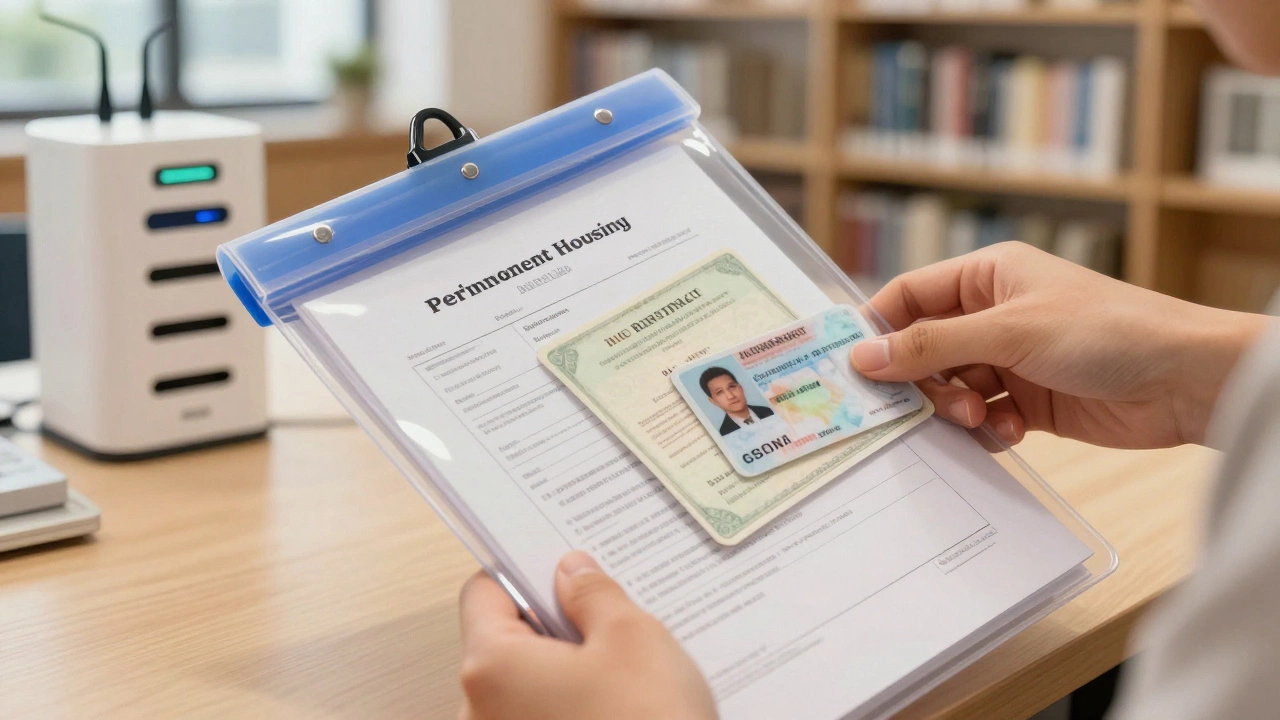
- Identification: Keep your ID, Social Security card (or equivalent), and birth certificate in a waterproof bag. If you lose them, report it immediately to authorities to get replacements.
- Medical Records: Carry a list of medications, allergies, and any disability documentation. This helps shelters accommodate your needs and speeds up applications for healthcare benefits.
- Phone Access: Many shelters require online check-ins or text confirmations. Find libraries or community centers with free Wi-Fi and charging stations. Keep your phone charged at all costs.
- Clothing: Layered clothing is essential. It protects against weather and allows you to adjust to varying temperatures inside shelters.
Organize your papers in a clear plastic folder. Label everything clearly. When you meet a caseworker, having your documents ready shows you are serious about resolving your situation, which can positively influence their willingness to help.
Community Resources and Mutual Aid
Beyond formal institutions, informal networks play a huge role. Mutual aid groups are grassroots organizations where volunteers distribute food, hygiene kits, and sometimes even cash directly to people experiencing homelessness. These groups often operate via social media platforms like Facebook or Twitter, posting daily locations and times.
Food banks are another critical resource. While they don’t provide shelter, they reduce the financial burden of buying food, freeing up whatever resources you have for other necessities like bus fare to reach a shelter. Many food banks also have staff who can refer you to housing services.
Churches and religious organizations often run independent shelters or meal programs. Even if they don’t have beds, clergy members frequently have connections to landlords willing to rent to people with unstable incomes. Don’t hesitate to ask.
Next Steps: Building a Plan
Getting off the streets is a marathon, not a sprint. Once you have secured a bed for tonight, start planning for next week. Attend every appointment with caseworkers. Apply for every benefit you qualify for, including unemployment, disability, or housing vouchers. Build relationships with service providers; consistency matters.
If you are struggling with mental health or addiction, seek treatment concurrently with housing searches. Many permanent housing programs require participation in treatment plans. Addressing these issues improves your chances of maintaining stable housing once you get it.
Remember, you are not alone. Millions of people have walked this path and found their way back to stability. The system is complex and often frustrating, but it is navigable. Take it one step at a time. Secure tonight’s safety, then focus on tomorrow’s plan.
Can I bring my dog to a homeless shelter?
Most traditional homeless shelters do not allow pets due to liability, allergy, and space constraints. However, some specialized pet-friendly shelters exist, particularly in larger cities. Additionally, animal welfare organizations sometimes offer temporary foster care for pets while owners stabilize their housing situation. Contact local animal control or rescue groups for options.
What should I do if a shelter refuses me entry?
Ask for the reason for refusal. If it’s due to full capacity, ask if they can recommend another nearby shelter with availability. If it’s due to behavior or substance use, ask about referrals to harm reduction centers or sobering facilities. Document the interaction and follow up with a homeless advocacy organization for support.
Are homeless shelters free?
Yes, emergency homeless shelters are typically free of charge. They are funded by government grants, donations, and charitable contributions. You may be asked to contribute small amounts for certain amenities like laundry or snacks, but never for the bed itself.
How long can I stay in a homeless shelter?
Night shelters usually limit stays to one night per visit. Transitional housing programs may allow stays ranging from three months to two years, depending on the program’s goals and your progress in meeting case management requirements.
What if I don't have any identification?
Many shelters will still accept you without ID, though it may limit access to certain services. Visit a local government office or legal aid clinic to replace lost documents. Some communities have "ID clinics" specifically designed to help unhoused individuals obtain birth certificates and state IDs.