
What Were Social Clubs Used For? A History of Community and Connection
 Sep, 21 2026
Social Club History Quiz
Explore how social clubs served as safety nets, political engines, and cultural anchors before the digital age.
Imagine a world without smartphones, social media, or even reliable postal services. How did people find their tribe, secure insurance against illness, or simply escape the drudgery of daily labor? The answer often lay in the local social club. These weren't just places to drink beer or play cards; they were the backbone of civil society for centuries. If you've ever wondered why your grandfather's generation seemed so tightly knit, or how communities survived before the welfare state existed, looking at what social clubs used for reveals a fascinating blueprint for human connection.
The Original Safety Net: Mutual Aid and Insurance
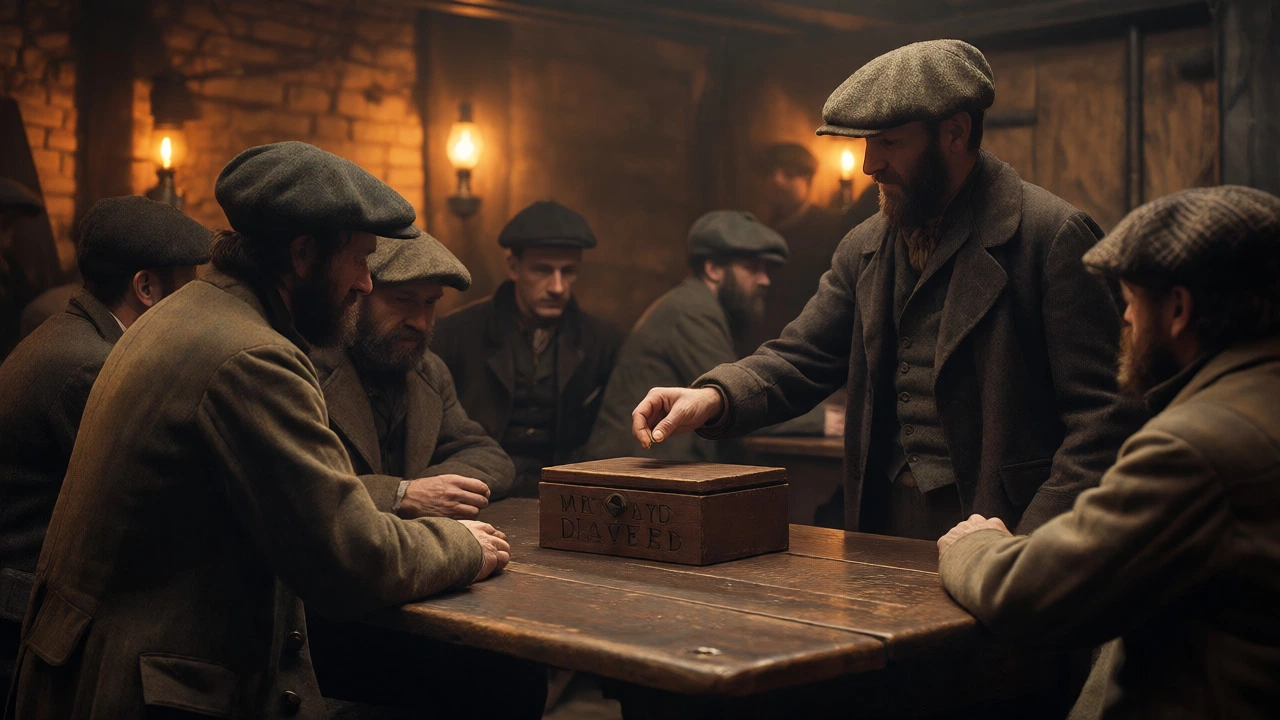
Before government-mandated healthcare or pension schemes became standard, if you broke your leg or caught tuberculosis, you were on your own-unless you belonged to a club. In the 18th and 19th centuries, particularly during the Industrial Revolution, workers faced brutal conditions with zero job security. Mutual aid societies emerged as a critical response to this precarity. Members paid small weekly dues into a communal pot. If a member fell ill, died, or lost their job, the fund provided financial support. This was essentially private, community-run insurance.
These organizations were rigorous about eligibility. You couldn't just join because you wanted free money; you had to demonstrate good standing, regular employment, and moral character. The Odd Fellows, a prominent fraternal organization, required members to take oaths of secrecy and charity. Their rituals reinforced the idea that helping one another wasn't just nice-it was a binding duty. This structure created intense loyalty. Your livelihood literally depended on your neighbors keeping their promises.
Professional Networking Before LinkedIn
We tend to think of networking as a modern corporate buzzword, but it has deep roots in social club culture. For merchants, craftsmen, and professionals, clubs served as exclusive hiring halls and information exchanges. The Coffeehouse culture of the 17th and 18th centuries, such as Lloyd's of London (which started as a coffeehouse), functioned as informal social clubs where deals were struck over cups of coffee.
Unlike today's digital profiles, these interactions were face-to-face and reputation-based. If you wanted a contract, you needed to be seen, heard, and trusted within the circle. Guilds evolved into more formalized clubs where masters and journeymen could discuss trade secrets, negotiate wages, and enforce standards. Being excluded from these circles meant being shut out of economic opportunity. It was a high-stakes game of social capital, where who you knew directly impacted what you earned.
Cultural Preservation and Identity
For immigrant communities, social clubs were lifelines to home. When Irish, Italian, Polish, or Jewish immigrants arrived in cities like New York, London, or Edinburgh, they faced discrimination and isolation. They formed ethnic social clubs to preserve language, religion, and traditions. An Italian-American social club, for instance, wasn't just about pasta nights; it was a space where elders could speak their native dialect, where weddings followed traditional rites, and where new arrivals could navigate a foreign legal system with help from those who'd gone before them.
These clubs acted as cultural embassies. They hosted festivals, maintained libraries of literature in the homeland's language, and provided scholarships for children to attend college while staying connected to their heritage. Without these institutions, many distinct cultural identities might have dissolved rapidly into the mainstream. The club became the second home, a place where you didn't have to explain your customs-they were the norm.
| Function | Traditional Social Club | Modern Equivalent |
|---|---|---|
| Financial Security | Mutual aid funds for illness/death | Health insurance / Savings apps |
| Socializing | In-person meetings, dances, debates | Social media groups / Meetup.com |
| Advocacy | Lobbying for worker rights locally | National unions / Political action committees |
| Identity | Ethnic/Religious exclusivity | Hobbyist forums / Interest-based apps |
Political Mobilization and Civic Duty
You cannot understand modern democracy without understanding social clubs. Many political parties began as factions within debating societies or tavern clubs. The Whig and Tory factions in Britain were heavily influenced by the discourse happening in private clubs. Members debated policy, drafted manifestos, and coordinated voting blocs.
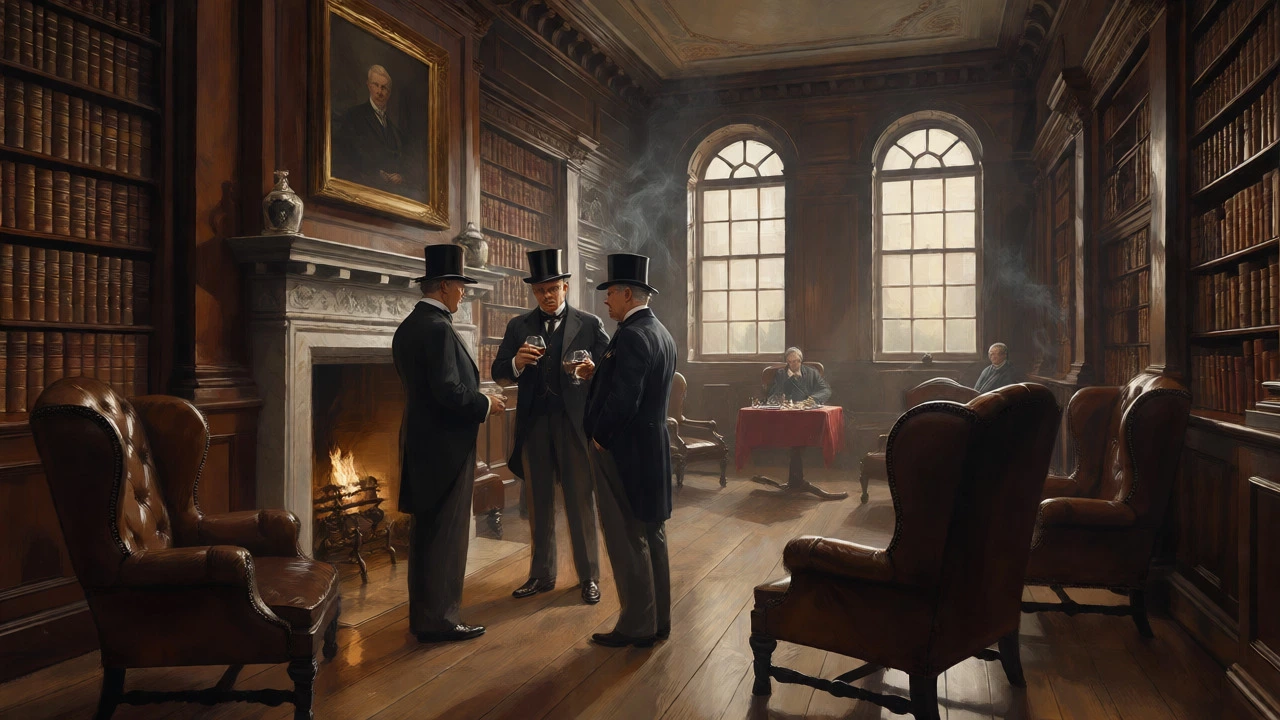
Clubs also served as training grounds for civic leadership. A person who organized a successful fundraising dinner for the local orphanage learned budgeting, public speaking, and conflict resolution. These skills translated directly into running for city council or school board positions. The "club room" was often where the real politics happened, away from the public eye. Decisions made over brandy and cigars frequently shaped zoning laws, tax rates, and infrastructure projects long before they appeared on official agendas.
Leisure, Status, and Exclusivity
Let's not romanticize everything-some clubs were purely about status. The gentlemen's clubs of Victorian London, such as White's or Brooks's, were playgrounds for the aristocracy. Membership here signaled wealth and lineage. These clubs provided luxurious amenities: fine dining, libraries, sleeping quarters, and gaming rooms. For men who traveled for work, these clubs offered a consistent, comfortable base in major cities.
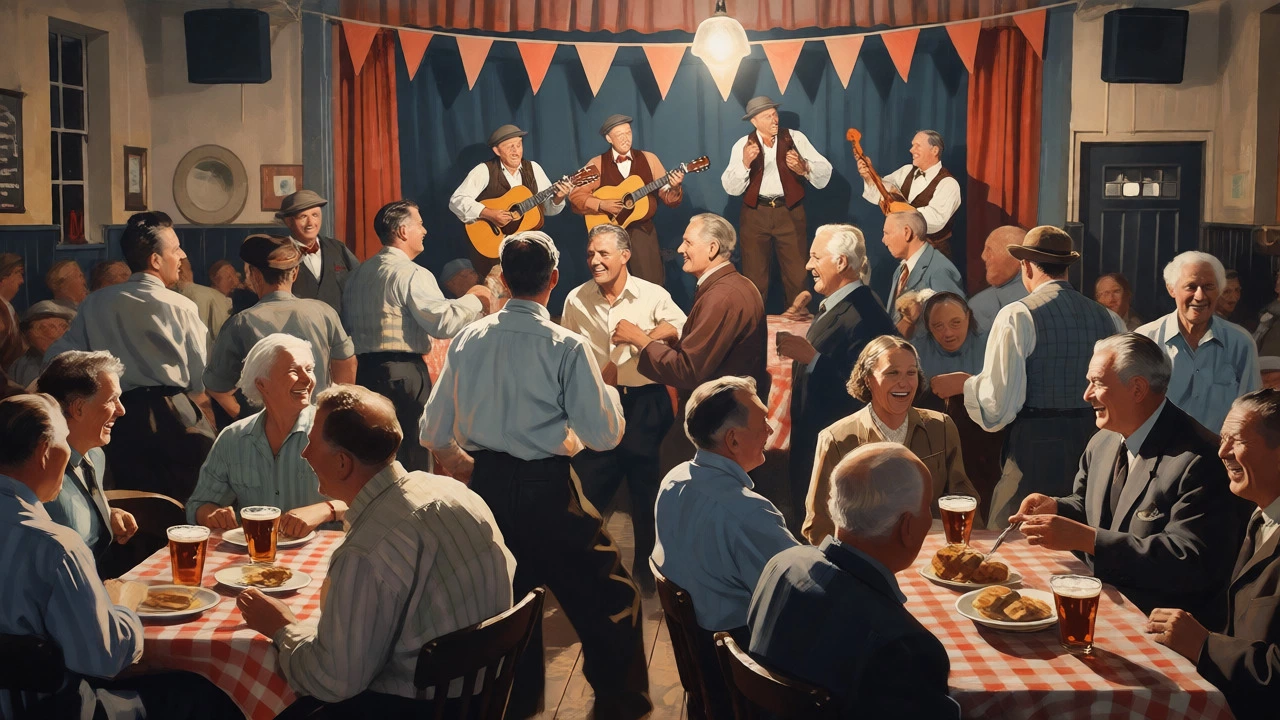
However, exclusivity came at a cost. Women were largely barred from these spaces until well into the 20th century, reinforcing gender divides in public life. Working-class clubs, conversely, focused on affordable entertainment. The Working Men's Club movement in the UK provided alcohol, live music, and bingo at prices accessible to factory workers. These venues democratized leisure, offering a respite from overcrowded homes and harsh working conditions.
Why Do We Still Need Them?
Today, we have UberEats for food, Netflix for entertainment, and Zoom for meetings. So why do social clubs still matter? Because efficiency doesn't cure loneliness. The decline of traditional membership organizations correlates with rising rates of social isolation. Digital connections are broad but shallow; physical clubs offer depth and accountability.
Modern iterations are adapting. Co-working spaces blend professional networking with community. Hobbyist clubs-from book swaps to hiking groups-recreate the sense of belonging once found in lodges. The core need remains unchanged: humans crave structured interaction with shared purpose. Whether it's a chess club in Edinburgh or a Rotary chapter in Ohio, the goal is to transform strangers into acquaintances, and acquaintances into friends.
What is the difference between a social club and a fraternity?
While both involve membership and rituals, fraternities are typically collegiate organizations focused on brotherhood among students, often with Greek-letter names. Social clubs are broader, encompassing adult communities based on hobbies, professions, ethnicity, or geography, and do not necessarily require student status.
Did social clubs provide health insurance?
Yes, many 19th-century mutual aid societies and friendly societies functioned as early health insurers. Members paid dues, and the collective fund covered medical costs and funeral expenses for members and sometimes their families, filling the gap left by the absence of state welfare.
Are women allowed in all social clubs?
Historically, many prestigious clubs were male-only. However, most modern social clubs are open to all genders. Some traditional clubs only admitted women in the late 20th or early 21st centuries, and a few niche organizations may still maintain specific gender focuses, though this is increasingly rare.
How did social clubs influence politics?
Social clubs served as incubators for political ideas. Debating societies allowed citizens to practice rhetoric and policy analysis. Fraternities and professional clubs mobilized voters and funded campaigns. Key political leaders often honed their skills and built networks within these semi-private gatherings.
Do social clubs still exist today?
Absolutely. While traditional fraternal orders have declined in membership, social clubs thrive in various forms. These include country clubs, sports leagues, hobbyist groups, professional associations, and co-working communities. The format changes, but the desire for organized social interaction persists.