
What is Wacky Wednesday at School? A Guide for Parents
 Aug, 17 2026
Wacky Wednesday Theme & Cost Planner
Click on a theme to explore its details. Most schools announce these on Monday.
Ever walked into a classroom and seen kids wearing mismatched socks, eating lunch with their hands, or playing music that sounds like a blender fighting a vacuum cleaner? That’s probably Wacky Wednesday in action. It’s not just a random day of chaos; it’s a structured, weekly tradition found in many schools across the UK and US, designed to boost morale, reduce stress, and build community among students and staff alike. For parents, it can be confusing. Is it mandatory? Do I need to buy special clothes? What exactly happens during the school day? This guide breaks down what Wacky Wednesday really is, how it fits into the broader landscape of after-school clubs and extracurricular activities, and why educators swear by it as a tool for social-emotional learning.
The Core Concept: Why Schools Love Wacky Wednesday
At its heart, Wacky Wednesday is a designated day each week where standard dress codes are relaxed, and typical routines are flipped. The goal isn’t to disrupt learning but to create a safe space for self-expression. Research in educational psychology suggests that when students feel less pressure about appearance and routine, their willingness to participate in class increases. It’s a low-stakes environment where creativity is rewarded over conformity.
This concept sits alongside other popular school traditions like Crazy Hair Day or Pajama Day, but Wacky Wednesday has become a staple because it offers variety. One week it might be “Upcycled Fashion,” another “Superhero Costume,” and the next “Decades Dress-Up.” This rotation keeps the excitement high without requiring significant budget from families. For schools, it’s a cost-effective way to foster a positive school culture.
How It Works in Practice
Every school implements Wacky Wednesday differently, but most follow a similar structure. Here is what you can typically expect:
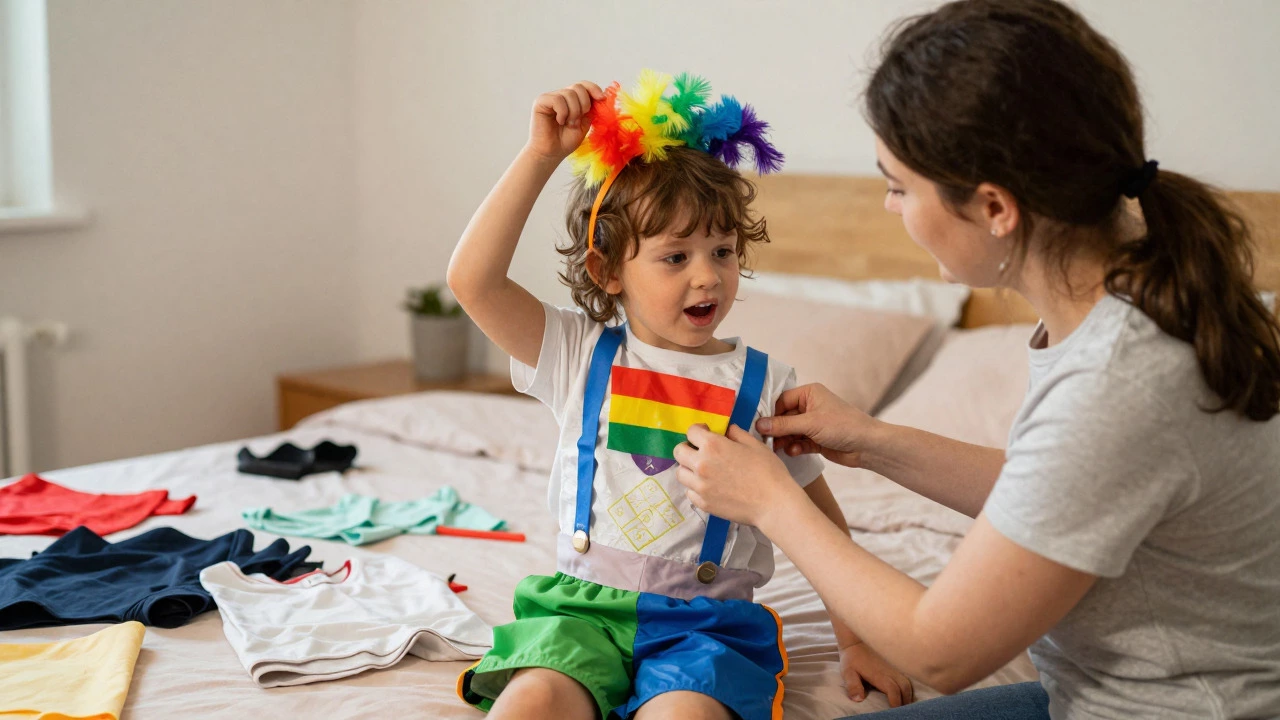
- Dress Code Flexibility: Students may wear costumes, pajamas, sports gear, or themed outfits. Uniform rules are usually suspended for the day.
- Schedule Adjustments: Some schools swap subject periods. For example, math might move to the afternoon, while art or PE takes the morning slot.
- Special Activities: Teachers often incorporate theme-based games, quizzes, or creative projects into lessons.
- Community Involvement: Staff members often join in, wearing silly hats or accessories to model participation.
The key difference between Wacky Wednesday and a one-off event is consistency. Because it happens every week, students look forward to it as a predictable highlight. This predictability actually helps with anxiety management; kids know there is a regular outlet for fun amidst academic demands.
Connection to After-School Clubs and Extracurriculars
While Wacky Wednesday is an all-school event, it often overlaps with or promotes after-school clubs that focus on arts, drama, and social skills. Many schools use Wacky Wednesday to showcase talent from these clubs. For instance, if the theme is “Movie Night,” the drama club might perform a skit, or the film club might screen short student-made movies during lunch break.
This integration serves a dual purpose. First, it gives visibility to students who participate in niche interests. Second, it acts as a recruitment tool for new club members. If a child sees their friend winning a prize for a handmade costume during Wacky Wednesday, they’re more likely to sign up for the art club next term. This creates a feedback loop where casual participation leads to deeper engagement in structured programs.
Benefits for Student Well-being
The benefits of Wacky Wednesday go beyond just having a good time. Educators cite several specific outcomes:
- Reduced Academic Stress: Breaking the monotony of the daily schedule provides a mental reset for students facing exam pressures.
- Improved Social Cohesion: Shared experiences like dressing up together break down social barriers between different year groups or cliques.
- Creative Confidence: Allowing students to express themselves through clothing or performance builds confidence in non-academic areas.
- Staff-Student Bonding: When teachers participate, the power dynamic shifts slightly, making interactions feel more peer-like and approachable.
In a world where standardized testing dominates much of the curriculum, Wacky Wednesday serves as a reminder that education includes emotional and social development, not just cognitive achievement.
Practical Tips for Parents
If your child’s school participates in Wacky Wednesday, here are some practical ways to support them without overspending:
- Check the Theme Early: Most schools announce the weekly theme on Monday via email or app. Knowing this ahead of time prevents last-minute panic.
- Use What You Have: You don’t need to buy new clothes. Old t-shirts, board shorts, or family photo prints can make great costumes.
- Involve Your Child in Prep:** Letting your child choose their outfit fosters independence and excitement. Avoid forcing a specific look unless requested.
- Keep It Comfortable:** Remind your child that comfort matters. If a costume makes it hard to sit or write, it defeats the purpose.
Remember, the goal is participation, not perfection. A simple funny hat is just as valid as an elaborate full-body suit.

Common Misconceptions
Many parents assume Wacky Wednesday is a day off from real work. In reality, academic lessons still happen, though they might be delivered in a more interactive way. Another misconception is that it’s only for younger children. In fact, secondary schools often have robust Wacky Wednesday programs, using themes relevant to teenagers like “Gamer Style” or “Political Satire.” Finally, some think it’s a US-only phenomenon. While popular in America, many UK independent and state schools have adopted similar “Fun Friday” or “Wacky Wednesday” traditions to boost engagement.
Comparing Wacky Wednesday to Other School Events
To understand where Wacky Wednesday fits, it helps to compare it with other common school activities.
| Activity | Frequency | Primary Focus | Cost to Family |
|---|---|---|---|
| Wacky Wednesday | Weekly | Morale & Expression | Low (Use existing clothes) |
| Sports Day | Termly | Physical Fitness & Competition | Medium (Uniform/Gear) |
| Science Fair | Annually | Academic Showcase | Variable (Materials) |
| Charity Fundraiser | Termly | Community Service | High (Donations) |
As you can see, Wacky Wednesday stands out for its low barrier to entry and high frequency. It’s a daily habit rather than a major event, which makes it sustainable for both schools and families.
Frequently Asked Questions
Is Wacky Wednesday mandatory for students?
Usually, no. Participation is encouraged but rarely enforced. However, some schools may require students to wear something slightly different from their standard uniform to keep the spirit alive. Check your school’s specific policy.
Does Wacky Wednesday affect academic performance?
Most studies suggest a neutral to positive effect. The break in routine can improve focus in subsequent weeks. Lessons still occur, so core content is covered, even if the delivery method is more playful.
What if my child doesn’t want to participate?
Let them opt out. Forcing participation can turn a positive experience into a negative one. Sometimes, simply observing others can be enough for a shy child to feel included without being in the spotlight.
Are there safety concerns with costumes?
Schools usually have guidelines prohibiting masks that block vision, long trailing fabrics that could trip others, or sharp props. Always check the school’s specific safety rules for the week’s theme.
How is Wacky Wednesday different from Spirit Week?
Spirit Week is usually a multi-day event leading up to a major school occasion, like a homecoming game. Wacky Wednesday is a recurring weekly tradition that happens regardless of external events.