
What Is the Purpose of Youth Organizations? A Guide to Development, Community, and Advocacy
 Jun, 1 2026
Youth Organization Pathfinder
What is your primary goal?
Select the outcome that matters most to you right now.
Which activities interest you?
Select one or more options.
Your Recommendation
Select your goals and interests to see which youth organization type fits you best.
Picture a teenager on a Friday night. They could be scrolling through social media in their bedroom, or they could be painting a mural in their neighborhood, organizing a food drive, or learning how to code an app. The difference often comes down to one thing: access to a youth organization that provides structure, mentorship, and a sense of belonging.
If you’ve ever wondered what these groups actually do beyond just keeping kids busy, you’re not alone. Parents, educators, and community leaders often ask this question because the landscape is so vast. From global giants like the Scouts to local community centers, these entities serve as critical infrastructure for the next generation. But what is the core mission? Why do they exist?
The short answer is that the primary purpose of most youth organizations is to facilitate holistic development. They aim to bridge the gap between childhood dependency and adult independence by providing safe spaces for skill-building, social connection, and civic engagement. However, the specific goals vary significantly depending on the type of organization.
Building Character and Soft Skills
At their heart, many traditional youth groups focus on character education. This isn’t about preaching; it’s about practice. When a young person joins a group like Boys & Girls Clubs or a local scouting troop, they are stepping into an environment where values like integrity, teamwork, and resilience are actively cultivated.
Consider the concept of "soft skills." In the modern workforce, employers consistently rank communication, problem-solving, and adaptability higher than technical knowledge. Youth organizations provide a low-stakes arena to develop these traits. For example, planning a community event requires negotiation with vendors, budgeting, and conflict resolution among team members. These are real-world lessons that classrooms rarely offer in such depth.
Mentorship plays a huge role here. Most effective programs pair younger participants with older peers or adult volunteers. This relationship model helps adolescents navigate complex social dynamics and build confidence. It creates a support network that extends beyond the family unit, which is crucial during the turbulent teenage years.
Fostering Civic Engagement and Leadership
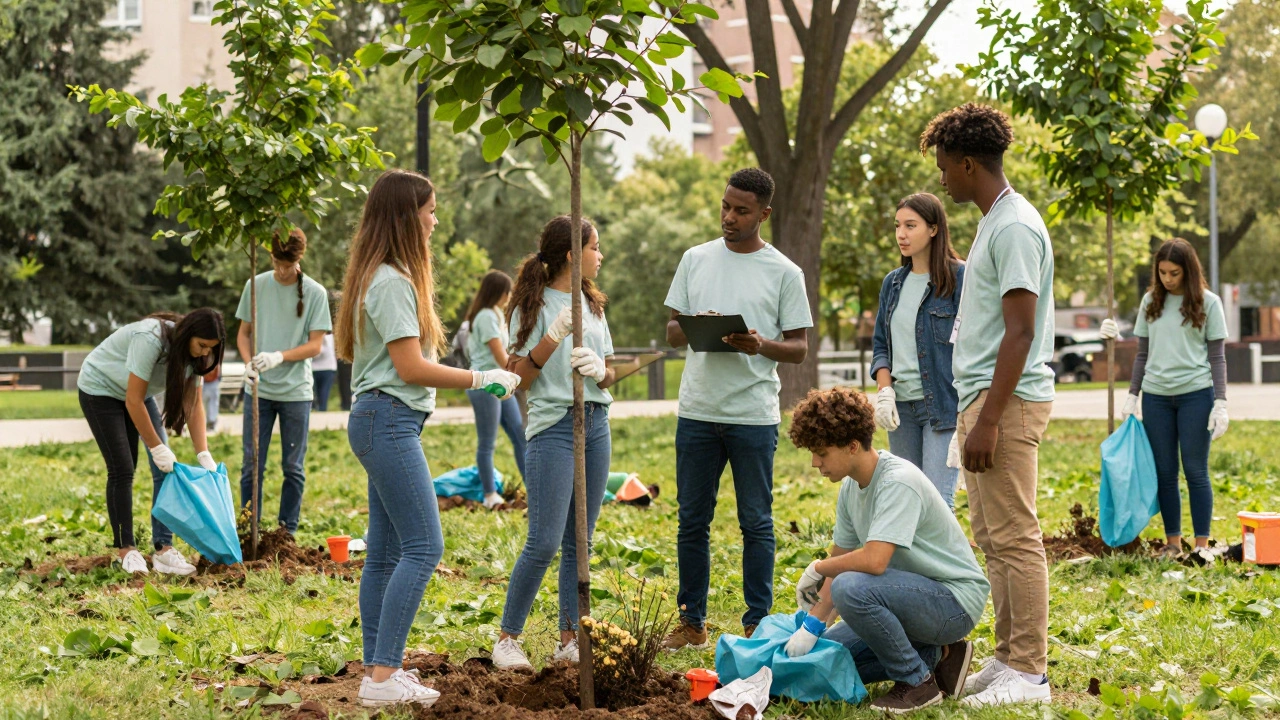
Another major pillar of youth organizations is civic responsibility. Many groups, such as Key Club International or Rotary Interact, are explicitly designed to teach service leadership. The idea is simple: if you want to change the world, start by serving your immediate community.
These organizations encourage members to identify local problems-whether it’s litter in a park or loneliness among seniors-and create solutions. This process transforms passive residents into active citizens. It teaches young people that their voice matters and that collective action can lead to tangible results.
Leadership opportunities are also central. Unlike school clubs where roles might be assigned by teachers, youth organizations often use democratic processes. Members vote for officers, propose initiatives, and hold each other accountable. This hands-on experience with governance prepares them for future roles in politics, business, or non-profit management.
Providing Safe Spaces and Social Connection
In an increasingly digital world, face-to-face interaction is becoming rare. One of the most vital purposes of youth organizations is to provide physical, safe spaces where young people can connect offline. This is particularly important for at-risk youth who may lack stable home environments.
Community centers and after-school programs act as anchors. They offer supervised activities, hot meals, and homework help. But more importantly, they reduce isolation. When teenagers feel connected to a group, they are less likely to engage in risky behaviors. Studies have shown that strong social ties within structured groups correlate with lower rates of substance abuse and delinquency.
These spaces also celebrate diversity. Youth organizations often bring together individuals from different socioeconomic backgrounds, ethnicities, and abilities. By working toward common goals, members learn to appreciate differences and build empathy. This social cohesion is essential for healthy communities.
Skill Development and Career Readiness
Not all youth organizations focus solely on character or service. Many are geared toward practical skill acquisition and career exploration. Groups like 4-H Clubs or Future Farmers of America emphasize agricultural science, technology, engineering, and mathematics (STEM). Others, such as debate teams or robotics clubs, hone specific intellectual and technical abilities.
The goal here is employability. By participating in these programs, young people gain certifications, build portfolios, and acquire hard skills that translate directly to jobs or college applications. For instance, a member of a coding club might contribute to open-source projects, creating a professional GitHub profile before even graduating high school.
Internships and job shadowing opportunities are often facilitated through these networks. Partnerships with local businesses allow members to see behind the scenes of various industries. This exposure helps them make informed decisions about their educational paths and career aspirations.
Advocacy and Social Change
A growing segment of youth organizations focuses on advocacy. These groups empower young people to speak out on issues affecting them, such as climate change, mental health awareness, or educational equity. Organizations like March for Our Lives or Fridays for Future demonstrate how youth-led movements can influence policy and public opinion.
The purpose here is amplification. Young people often face barriers when trying to address systemic issues. Advocacy groups provide training in public speaking, lobbying, and media relations. They equip members with the tools to challenge the status quo and demand accountability from leaders.
This form of engagement fosters a sense of agency. When young people see that their actions can lead to legislative changes or corporate reforms, they become more politically engaged adults. It reinforces the idea that democracy is not a spectator sport.

Comparison of Youth Organization Types
| Type | Primary Goal | Key Activities | Target Outcome |
|---|---|---|---|
| Service Clubs | Civic Responsibility | Volunteering, Fundraising | Active Citizenship |
| Skill-Based Groups | Professional Growth | Workshops, Competitions | Career Readiness |
| Recreational Centers | Social Well-being | Sports, Arts, Socializing | Mental Health & Safety |
| Advocacy Networks | Systemic Change | Protests, Policy Briefs | Political Influence |
Challenges Facing Modern Youth Groups
Despite their importance, youth organizations face significant hurdles. Funding is always a concern. Many rely on donations and grants, which can be unpredictable. This financial instability often limits program offerings and staff retention.
Engagement is another challenge. With the rise of immersive digital entertainment, competing for young people’s attention is harder than ever. Organizations must constantly innovate to remain relevant. This means integrating technology, offering flexible scheduling, and addressing contemporary issues that resonate with Gen Z and Alpha.
Inclusivity is also a pressing issue. Historically, some groups have struggled with accessibility for marginalized communities. Ensuring that programs are culturally responsive and financially accessible to all families is an ongoing priority for leaders in this sector.
How to Choose the Right Group
If you’re looking to get involved, whether as a participant or a supporter, consider what aligns with your interests and goals. Do you want to improve your resume? Look for skill-based groups. Do you want to make a difference in your town? Join a service club. Are you seeking a supportive community? Check out local recreational centers.
Talk to current members. Ask about the culture, the leadership style, and the time commitment. Visit a meeting if possible. Seeing the dynamics firsthand will give you a better sense of whether it’s a good fit.
Remember, the best youth organization is one that challenges you while supporting you. It should push you out of your comfort zone but never leave you feeling isolated. With thousands of options available, there’s a place for every young person to grow, lead, and thrive.
What is the main difference between a youth organization and a school club?
While school clubs are tied to the academic calendar and curriculum, youth organizations are independent entities focused on broader life skills and community impact. They often operate year-round and involve partnerships with external agencies, providing more diverse experiences outside the classroom setting.
Do youth organizations only help at-risk youth?
No. While many programs specifically target at-risk populations to prevent negative outcomes, most youth organizations serve a general audience. High-achieving students also benefit from the leadership opportunities, networking, and extracurricular enrichment these groups provide.
How much time does joining a youth organization require?
Time commitments vary widely. Some recreational groups meet once a week for two hours, while competitive teams or officer roles in service clubs may require ten or more hours weekly. It’s important to check the specific expectations of the group before committing.
Can youth organizations help with college applications?
Yes. Colleges value sustained involvement and leadership. Participating in a youth organization demonstrates dedication, teamwork, and community spirit. Holding an elected office or initiating a project can significantly strengthen an application compared to casual participation.
Are youth organizations free to join?
Many public community centers and government-funded programs are free. However, private organizations, international franchises like Scouts, and specialized clubs often charge membership fees to cover insurance, materials, and events. Scholarships and sliding-scale fees are frequently available for those in need.