
What is the Oldest Youth Charity? A History of Helping Young People
 Jul, 23 2026
Historic Youth Organizations Timeline
Explore the history of youth organizations by clicking on events in the timeline below.
Organization Details
When you think about helping young people, you might picture modern programs with tablets, coding workshops, or outdoor adventure camps. But the drive to support youth isn't new. In fact, some of the oldest charities in the world started specifically for kids and teenagers. If you are asking what is the oldest youth charity, the answer takes us back over two centuries. It wasn't just about giving out food or clothes; it was about building character, community, and safety for a generation that had very little.
The title of the "oldest" usually goes to one organization, but there are actually a few heavy hitters from the 1800s that shaped how we view youth work today. Understanding their origins helps us see why these groups still exist and why they matter now. Let’s look at the history, the founders, and the missions that have survived wars, social changes, and economic crashes.
The Clear Winner: The Young Men's Christian Association (YMCA)
If you need a single name, it is the Young Men's Christian Association, commonly known as the YMCA. Founded in 1844 in London, England, by George Williams, it holds the record for the longest-running continuous youth-focused organization.
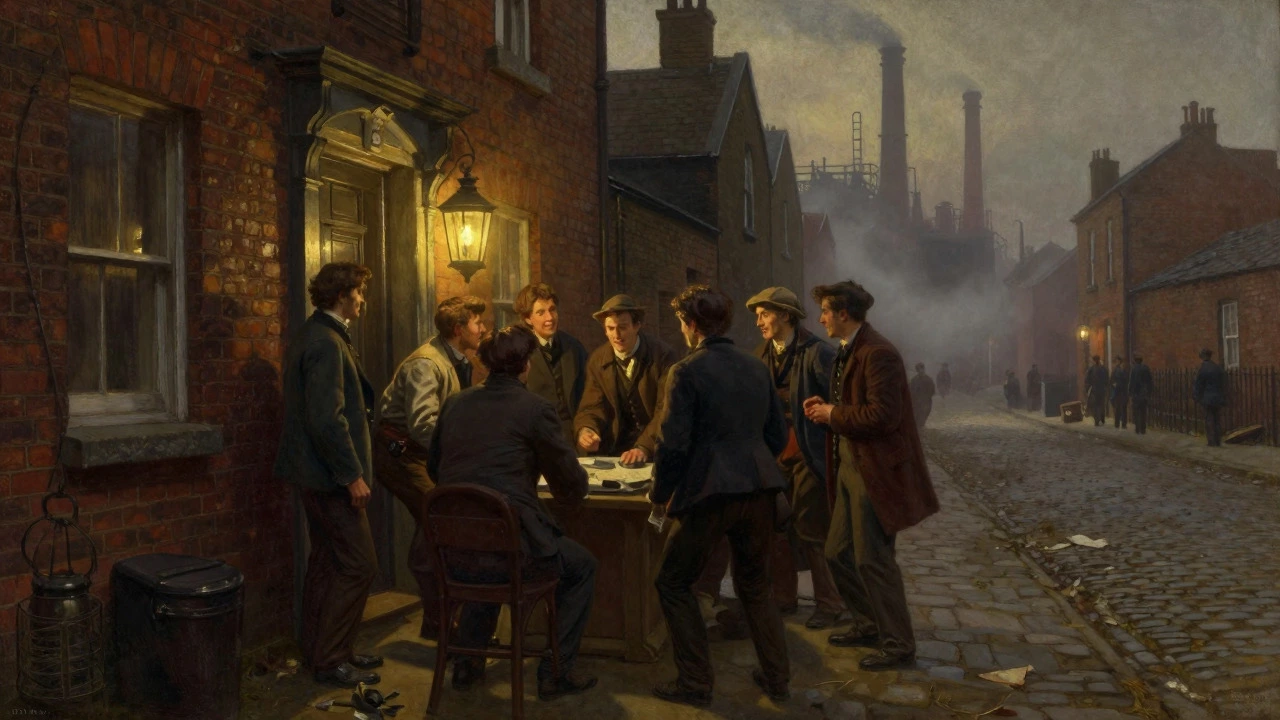
Why did George Williams start it? London in the 1840s was a dangerous place for young men. Industrialization meant thousands of boys were moving to cities for factory jobs. They lived in cramped, unsanitary conditions. There were no parks, no libraries, and certainly no safe places to hang out after work. Many fell into poverty, crime, or alcoholism. Williams wanted to create a space where young men could build friendships, improve their health, and explore their faith without pressure.
| Attribute | Value |
|---|---|
| Founded | June 6, 1844 |
| Founder | George Williams |
| Location | London, United Kingdom |
| Original Mission | Spiritual and physical well-being of young men |
| Global Reach | Over 120 countries |
The YMCA didn't just talk about improvement; it built infrastructure. They created the first indoor swimming pools for public use. They introduced basketball and volleyball to keep members active indoors during winter. Today, the YMCA operates globally, serving millions of young people through sports, education, and community centers. While its religious roots remain, it has evolved into a secular-friendly community hub for all genders and ages, though its core focus on youth development remains unchanged.
The Military Model: The Boys' Brigade
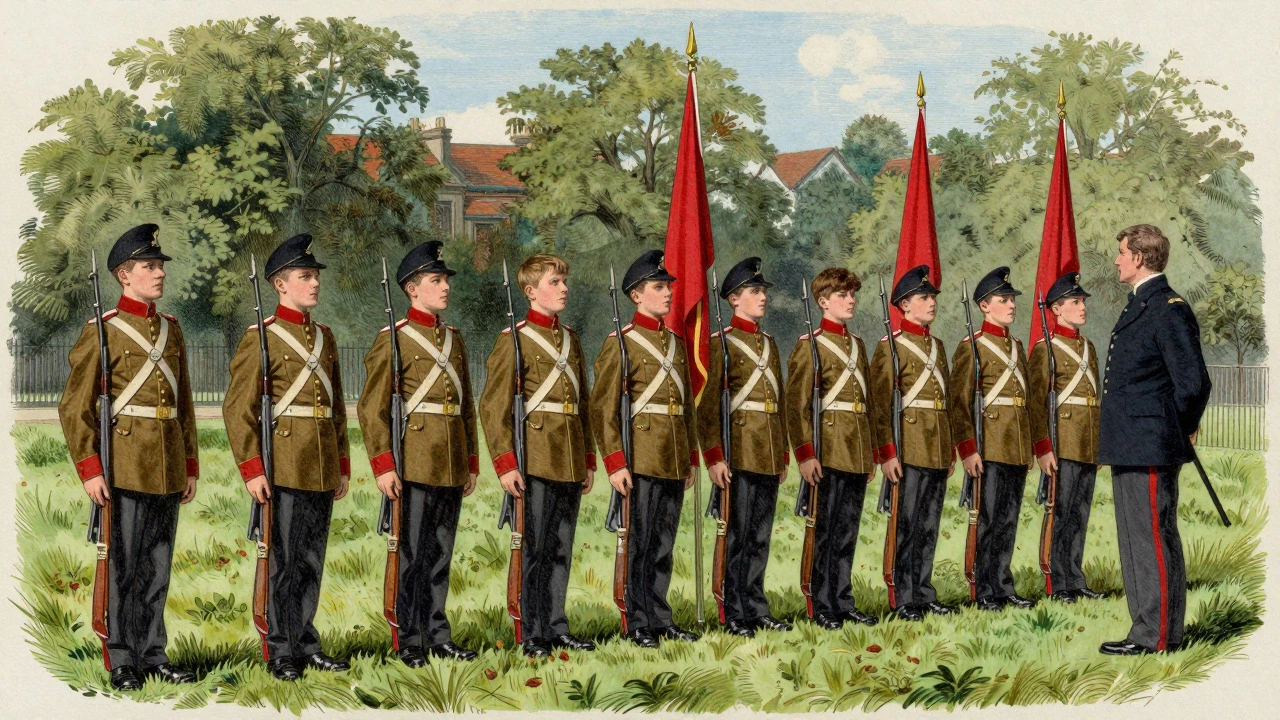
Close behind in age is the Boys' Brigade, founded in 1883 in Glasgow, Scotland, by William Alexander Smith. If the YMCA was about general well-being, the Boys' Brigade was about discipline and structure. Smith noticed that many young boys lacked direction. He believed that military-style drills would teach them obedience, courage, and loyalty.
This might sound strict today, but in the late Victorian era, it was revolutionary. Working-class boys had few role models outside of rough street gangs. The Brigade gave them uniforms, ranks, and a sense of belonging. It wasn't just marching; it included Bible study, music, and camping. The motto, "Sure and Trusty," reflected the goal of creating reliable citizens.
The Boys' Brigade influenced other major movements. Its structure inspired the Boy Scouts. Even if you haven't heard of the Brigade recently, its impact is visible in how modern youth groups organize themselves. It proved that young people crave order and purpose, not just fun activities.
The Adventurer: The Scout Association
You cannot discuss old youth charities without mentioning the Scout Association, originally called the Boy Scouts. Founded by Robert Baden-Powell in 1907, it is younger than the YMCA and the Boys' Brigade, but it grew faster and became more recognizable worldwide. Baden-Powell was a military officer who realized his training manuals were being used by boys as games. Instead of stopping it, he turned it into a movement.
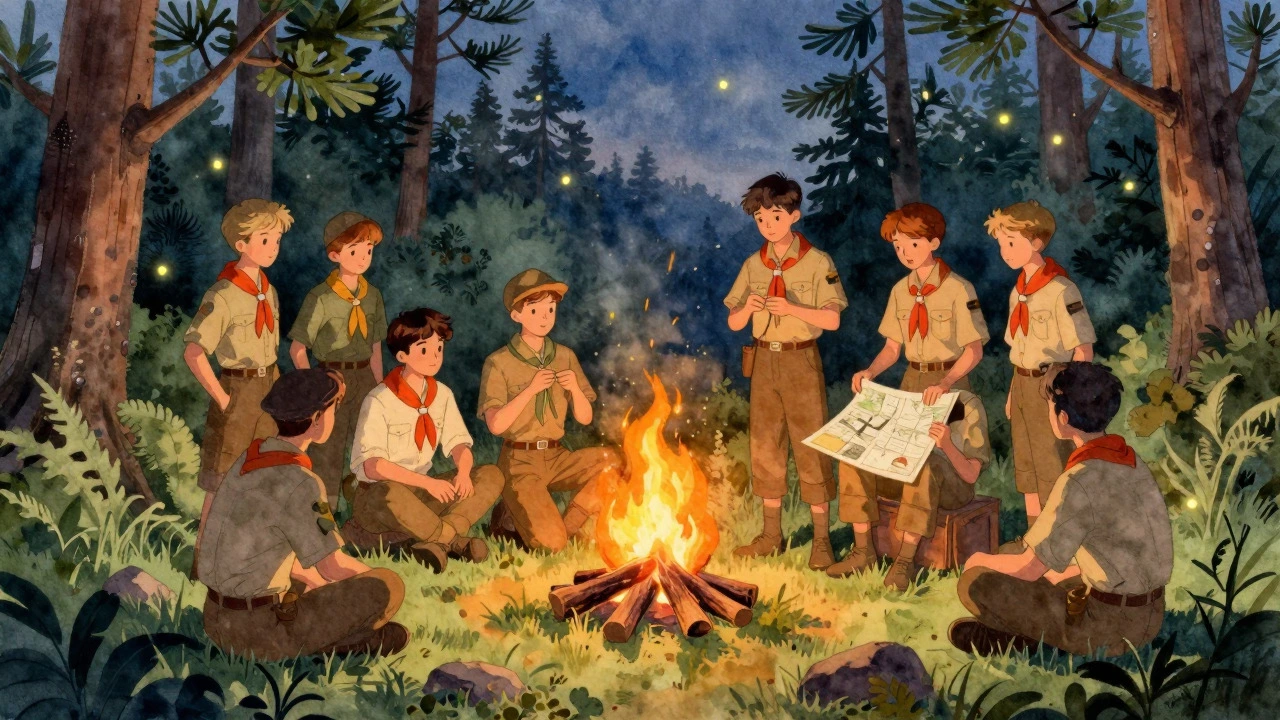
Scouting focused on outdoor skills: camping, knot-tying, first aid, and nature observation. It appealed to a different side of youth development than the YMCA. Where the YMCA offered a safe indoor space, Scouting offered freedom outdoors. By the 1920s, Scouting had spread to dozens of countries. It emphasized self-reliance and civic duty. The Girl Guides (now Girlguiding) followed shortly after, ensuring girls had the same opportunities.
While not the oldest, Scouting is often confused for it because of its massive global brand. However, historically, it stands on the shoulders of the YMCA and the Boys' Brigade. Baden-Powell himself acknowledged the influence of earlier organizations.
Why Age Matters in Youth Charities
Knowing which charity is the oldest isn't just trivia. It tells us what works. Organizations like the YMCA have survived because they adapt. They started with religious meetings for men. Now they run early childhood education, teen leadership programs, and family support services. Their longevity proves that consistent support systems are vital for young people.
Older charities also have deep community roots. When a local YMCA opens, it often becomes a landmark. People trust it because it has been there for generations. This trust is hard to build quickly. New startups might have cool apps or trendy methods, but they lack the historical credibility of an institution that has helped families since the 1800s.
Furthermore, these older groups established standards for youth work. They defined what "safe spaces" look like. They created protocols for safeguarding children long before governments mandated them. Their experience shapes current policies on child protection and volunteer training.
How These Organizations Evolved
The landscape of youth needs has changed dramatically. In 1844, the biggest threats were disease, poverty, and moral decay. Today, challenges include mental health issues, digital addiction, and social isolation. The oldest charities have had to pivot.
- Inclusivity: The YMCA started for "young men." Today, it serves women, girls, LGBTQ+ youth, and adults. The name stays the same, but the doors are open to everyone.
- Digital Engagement: Modern branches use online platforms to connect volunteers with youth. They offer virtual tutoring and mental health resources.
- Holistic Support: It is no longer just about sports or religion. These charities now address food insecurity, housing instability, and educational gaps.
This evolution shows resilience. They didn't disappear when society changed; they updated their methods while keeping their core mission: empowering young people to lead healthy, productive lives.
Comparing the Giants
To understand the differences, let’s compare the three major historical players. Each has a unique approach to youth development.
| Organization | Year Founded | Primary Focus | Key Activity |
|---|---|---|---|
| YMCA | 1844 | Community & Well-being | Sports, Education, Faith |
| Boys' Brigade | 1883 | Discipline & Character | Drills, Music, Camping |
| Scout Association | 1907 | Outdoor Skills & Leadership | Camping, First Aid, Nature |
If you are looking for a gym or a community center, the YMCA is your go-to. If you want structured mentorship with a traditional feel, the Boys' Brigade offers that. If you prefer outdoor adventures and skill-building, Scouting is the choice. All three are valid paths for supporting youth, and many communities host all of them.
Lessons for Modern Youth Work
What can new organizations learn from the oldest ones? First, consistency beats novelty. Young people need stable environments. Second, partnerships matter. The YMCA collaborates with schools, hospitals, and businesses. Third, listen to the youth. The most successful programs involve young people in decision-making. Finally, measure impact. These charities track outcomes like graduation rates, employment, and health metrics. They don't just guess if they are helping; they prove it.
The history of youth charities is a story of adaptation. From the streets of Victorian London to the digital age, the goal remains the same: give young people the tools to succeed. Whether it is through a basketball court, a uniform, or a campfire, the commitment to youth has endured for over 180 years.
Is the YMCA still a religious organization?
The YMCA was founded on Christian principles, but today it welcomes people of all faiths and backgrounds. While many local branches may still hold religious services or discussions, the organization itself is inclusive and focuses on holistic well-being rather than proselytizing. You do not need to be Christian to join or benefit from YMCA programs.
Can girls join the Boys' Brigade?
Traditionally, the Boys' Brigade was for boys only. However, in recent years, many companies within the UK and other regions have become co-ed or opened separate sections for girls. The sister organization, the Girls' Brigade, was founded in 1893. Check with your local company to see their current policy, as it varies by location.
Who invented basketball?
Basketball was invented by James Naismith in 1891. He was a physical education instructor at a YMCA training school in Springfield, Massachusetts. He created the game to keep athletes active during cold winters when outdoor sports were difficult. This invention highlights the YMCA's long history of innovation in physical fitness.
Are there any youth charities older than the YMCA?
There are older charitable organizations, such as the Church of England's poor relief efforts dating back to the 1500s, but these were not specifically focused on youth development in the modern sense. The YMCA is widely recognized as the oldest dedicated youth organization due to its specific mission targeting young men's spiritual, mental, and physical growth.
How can I volunteer with these historic organizations?
Most branches welcome volunteers. For the YMCA, you can coach sports, tutor students, or help with administrative tasks. For Scouting and the Boys' Brigade, you typically need to complete a background check and attend training sessions. Visit the official website of your local branch to find application forms and upcoming recruitment events.