
What is the Most Popular Extracurricular? The Real Data on After-School Clubs
 Jun, 29 2026
Extracurricular Matchmaker
Complete the form to see which extracurricular matches your profile.
Walk past any high school in the UK or US during late afternoon, and you will see a familiar scene. The buses have left, but the building isn't empty. Students are scattered across fields, packed into auditoriums, or huddled around tables in libraries. But what are they actually doing? If you asked ten parents to name the number one most popular extracurricular activity, you might get nine different answers. Some will say soccer. Others will swear by drama club. A few will mention coding.
The truth is more specific than guesswork suggests. When we look at participation data from organizations like the National Federation of State High School Associations (NFHS) and global youth surveys, one category consistently dominates: sports. Specifically, team sports like basketball, soccer, and track and field capture the largest share of student time. However, "most popular" depends entirely on how you define it. Are we talking about raw numbers of participants? Or are we talking about which activity offers the best return on investment for college applications and social skills?
To understand what drives students to join these groups, we need to break down the landscape of after-school life. It’s not just about playing games; it’s about identity, community, and future opportunities.
The Undisputed Champion: Athletics
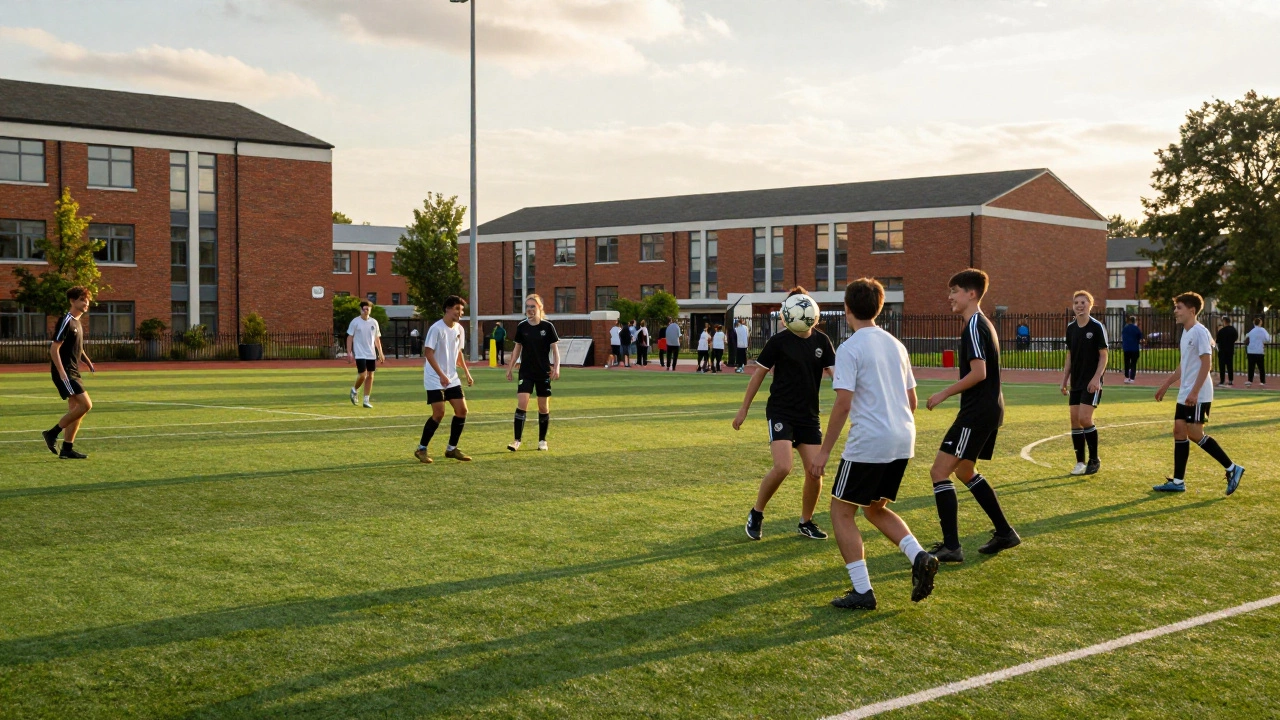
If popularity is measured by sheer volume, athletics wins hands down. In the United States alone, over seven million students participate in high school sports annually. In the UK, school sports partnerships drive similar engagement, with football (soccer), rugby, and netball leading the charge. Why do so many kids sign up?
Sports are organized physical activities that involve competition, teamwork, and skill development. They provide a structured outlet for energy and a clear path to social belonging.
The appeal is immediate. You show up, you learn the rules, you play. There is a tangible sense of progress. Did you make the basket? Did your team win? The feedback loop is fast. For teenagers, who often struggle with abstract academic concepts, this concrete success is addictive. Plus, the social aspect is undeniable. Sports teams function as tight-knit communities. You rely on your teammates, and they rely on you. This builds trust and camaraderie faster than almost any other setting.
However, sports also come with barriers. Not every school has the budget for equipment or facilities. Not every child enjoys physical exertion. And for those who don’t fit the athletic mold, the pressure can feel exclusionary rather than inclusive. This is where other categories step in to fill the gap.
The Quiet Contenders: Academic and Service Clubs
While sports grab the headlines, academic clubs and service organizations have seen steady growth. Groups like Debate Club, Model UN, and Key Club (a service organization) attract students who want to build leadership skills without lacing up cleats. These activities are particularly popular among students aiming for competitive university admissions.
Debate Club is an extracurricular group focused on argumentation, research, and public speaking. It teaches critical thinking and persuasive communication.
Why are these rising in popularity? Because the modern job market values soft skills. Employers and universities want candidates who can think critically, speak clearly, and work in diverse teams. A student who captains the debate team demonstrates these traits explicitly. Similarly, volunteer groups allow students to engage with their local community, addressing issues like homelessness or environmental conservation. This connects directly to the broader societal goals of civic engagement.
Consider the difference in structure. Sports are often seasonal and intense. Academic clubs tend to be year-round and project-based. This flexibility makes them accessible to students who might be overwhelmed by the time commitment of a varsity sport.
Creative Outlets: Arts and Media
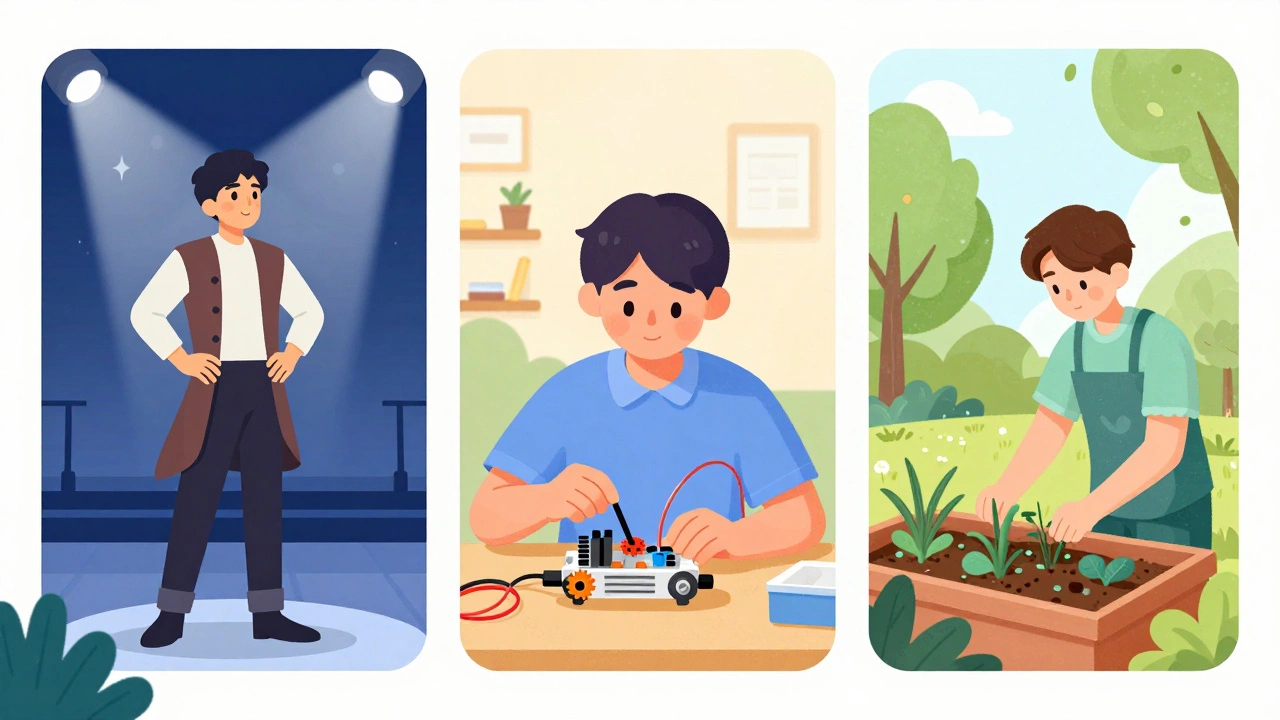
Don’t sleep on the arts. Drama, band, choir, and visual arts clubs remain staples of school life. While they may not always match the participant numbers of football, their impact on individual students is profound. Creative outlets provide a safe space for self-expression, which is crucial during adolescence.
Drama Club is a performing arts group that stages plays and musicals, fostering creativity and confidence. It helps students develop empathy and public speaking abilities.
In an era dominated by digital media, traditional arts face challenges. Budget cuts often hit music and art programs first. Yet, when schools invest in these areas, retention rates are high. Students who find their voice through acting or painting often stay involved throughout their entire school career. The emotional connection to the activity is strong. It’s not just about learning a skill; it’s about discovering who you are.
Moreover, the rise of content creation has blurred the lines between traditional arts and media. Photography clubs, film societies, and podcasting groups are emerging as new forms of creative expression. These activities teach technical skills alongside artistic ones, preparing students for careers in marketing, journalism, and design.

The Digital Frontier: Tech and STEM Clubs
If there is a clear winner for the next decade, it is technology. Coding clubs, robotics teams, and science Olympiads are exploding in popularity. As AI and automation reshape the workforce, parents and students are prioritizing STEM (Science, Technology, Engineering, and Mathematics) skills.
Robotics Club is a student-led group that designs, builds, and programs robots for competition. It combines engineering, coding, and problem-solving.
These clubs offer a unique blend of intellectual challenge and practical application. Building a robot isn’t just theoretical; you see it move, fail, and succeed. This hands-on learning is highly engaging. Additionally, tech clubs often connect students with industry mentors and real-world projects. A student programming a drone or designing an app gains portfolio pieces that matter in the professional world.
The accessibility of technology also helps. Unlike sports, which require large fields and specialized gear, coding can happen on a laptop in a library. This lowers the barrier to entry, allowing more students to participate regardless of their physical abilities or socioeconomic status.
How to Choose: Matching Activity to Goal
So, if sports are the most popular, should every student join a team? Not necessarily. The "best" extracurricular depends on the student’s personal goals and interests. Here is a breakdown to help decide:
| Category | Primary Benefit | Time Commitment | Best For |
|---|---|---|---|
| Sports | Teamwork, Physical Health | High (Seasonal) | Students seeking social bonds and discipline |
| Academic Clubs | Critical Thinking, Leadership | Medium (Year-round) | College-bound students and debaters |
| Arts & Media | Creativity, Self-Expression | Variable | Artistic individuals and storytellers |
| Tech/STEM | Problem Solving, Technical Skills | Medium-High | Future engineers, coders, and innovators |
| Service/Volunteering | Civic Responsibility, Empathy | Low-Medium | Community-focused students |
For example, if a student struggles with anxiety, a large-team sport might be overwhelming. A smaller group like chess club or writing society could offer a more comfortable environment. Conversely, a shy student might benefit from the forced interaction of a theater production. The key is alignment. An activity pursued out of genuine interest yields better results than one chosen solely for resume padding.
Pitfalls to Avoid
Parents and students often fall into the trap of "resume stuffing." Joining five clubs to look impressive usually backfires. Admissions officers and employers can spot insincerity. They prefer depth over breadth. It is better to commit deeply to one or two activities and achieve meaningful roles-like captain, editor-in-chief, or lead programmer-than to dabble in many without contribution.
Burnout is another risk. Balancing academics, extracurriculars, and social life is tough. Over-scheduling leads to stress and declining grades. Set realistic expectations. Start with one activity per semester. Evaluate how it feels. Adjust as needed. Remember, the goal of extracurriculars is enrichment, not exhaustion.
Next Steps for Students
If you are unsure where to start, try this simple exercise. List three things you enjoy doing outside of school. Do you like fixing things? Look for robotics or auto shop. Do you love talking to people? Try debate or student government. Do you prefer quiet focus? Consider chess or photography. Then, talk to teachers or current members of those clubs. Ask them what a typical week looks like. Get a realistic picture before committing.
Finally, don’t be afraid to pivot. Interests change. Dropping a club because it no longer fits is not failure; it’s self-awareness. Use each experience to learn more about yourself. That insight is worth far more than any badge or trophy.
Is sports really the most popular extracurricular?
Yes, in terms of raw participation numbers, team sports like basketball, soccer, and track consistently have the highest enrollment globally. However, academic and service clubs are growing rapidly due to their relevance to college admissions and career skills.
Which extracurricular looks best on a college application?
There is no single "best" activity. Colleges value passion and impact. Leading a niche club you started yourself can be more impressive than being a passive member of a large sports team. Depth of involvement matters more than the type of activity.
Can I join multiple extracurriculars?
You can, but caution against overcommitting. Quality beats quantity. It is better to excel in two activities than to barely participate in five. Ensure you have enough time for academics and rest to avoid burnout.
Are online extracurriculars valid?
Yes, especially in tech and creative fields. Online coding bootcamps, virtual debate leagues, and digital art communities are increasingly recognized. Just ensure the program is reputable and provides verifiable proof of participation or achievement.
How do I find extracurriculars if my school doesn't offer them?
Look beyond school walls. Community centers, libraries, religious organizations, and non-profits often host clubs and volunteer opportunities. You can also propose starting a new club at school with teacher support.