
What is the most common volunteer role? A practical guide
 Nov, 26 2026
Volunteer Role Matcher
Not sure where to start? Answer three quick questions to find the volunteer role that fits you best.
You’re scrolling through a volunteer portal, eyes glazing over at a list of fifty different ways to help. You want to make a difference, but you also have a job, a family, and maybe just a weekend left. So, what do people actually do? What is the most common volunteer activity in the UK right now?
It’s not always the glamorous stuff like building houses in remote villages or saving whales. If we look at data from organizations like Volunteering England and the Office for National Statistics, the answer is surprisingly mundane yet vital: helping with events and administrative tasks tops the list. But "helping" is a broad term. Let’s break down exactly what this means, why these roles dominate, and how you can pick one that actually fits your life.
The Data Behind the Top Roles
Before you sign up, it helps to know where the bulk of volunteer hours go. According to recent surveys, approximately 40% of all formal volunteering in the UK falls into two buckets: Event Support and Administrative/Office Assistance. These aren’t the roles you see on documentary posters, but they are the engine room of the non-profit sector.
Why so high? Because charities run on logistics. They need people to man stalls at Christmas fairs, sort donations at charity shops, and update databases. It’s low-barrier entry work. You don’t need a degree or specialized training. You just need to show up on time.
| Role Category | Typical Tasks | Time Commitment | Skill Level |
|---|---|---|---|
| Event & Fundraising Support | Stall holding, ticket checking, crowd management, collection bucket handling | One-off days or weekends | No special skills needed |
| Charity Shop Retail | Pricing goods, organizing stock, serving customers, window dressing | Regular weekly shifts (3-5 hrs) | Basic retail/customer service |
| Administrative Help | Data entry, filing, answering phones, drafting emails | Flexible, often remote or office-based | Computer literacy |
| Community Gardening | Weeding, planting, maintenance, litter picking | Seasonal or weekly | Physical stamina |
| Mentoring & Befriending | Listening visits, homework help, companionship for seniors | High commitment (6+ months) | Empathy, reliability |
Why Event Volunteering Dominates
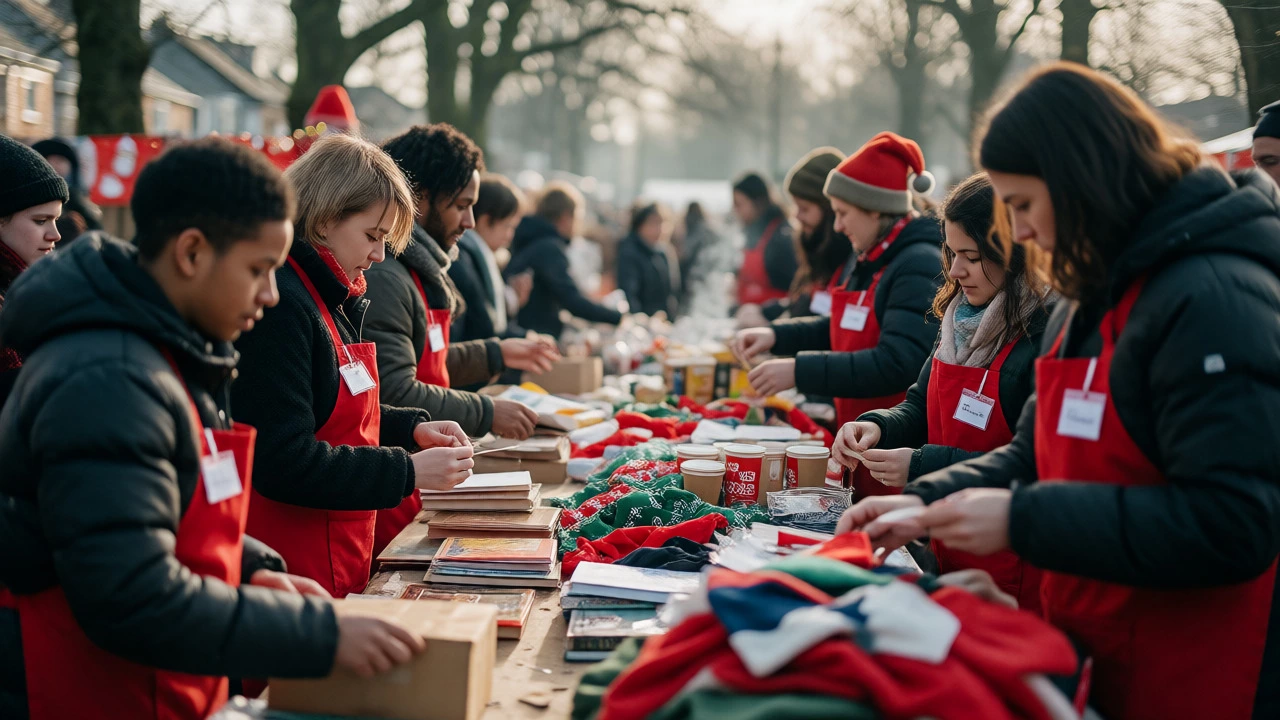
If you’ve ever walked past a British Red Cross collection point or a local food bank drive, you’ve seen the most common face of volunteering. Event support is popular because it’s flexible. You can commit to Saturday morning without signing your life away. For many young professionals or students, this "try-before-you-buy" approach works perfectly. You get immediate gratification-you see the money raised or the boxes moved-and then you go home.
However, there’s a catch. High-frequency, low-commitment roles often suffer from high turnover. Organizers spend half their energy recruiting new people every week. If you want to be truly useful, consider staying longer than one event. Even committing to three consecutive Saturdays makes you part of the team rather than just a pair of hands.

The Rise of Skills-Based Volunteering
While manual labor and event staffing are numerically the most common, there’s a growing trend toward Skills-Based Volunteering where volunteers use professional expertise such as marketing, accounting, or coding to help charities. This is less about moving boxes and more about solving specific problems. A graphic designer creating flyers for a local shelter might only volunteer four hours a month, but their impact could be worth thousands of pounds in saved fees.
This type of volunteering is exploding among mid-career professionals who feel disconnected from their daily corporate grind. It offers a sense of purpose that spreadsheets rarely provide. If you have a marketable skill-writing, web design, legal advice, finance-don’t default to stacking tins. Ask the charity if they need your brain instead of your brawn.
How to Choose Your First Role
Don’t just pick the first thing you see. Match the role to your personality and schedule. Here’s a quick decision tree:
- Do you hate sitting still? Go for event support or gardening. Physical activity keeps boredom at bay.
- Are you an introvert? Skip the crowded stalls. Try sorting donations in a quiet backroom or doing remote data entry.
- Do you want social connection? Look for befriending schemes or mentoring. These roles require regular contact and build real relationships.
- Are you short on time? Micro-volunteering apps allow you to complete small tasks, like transcribing documents, in 15-minute bursts.
Remember, consistency beats intensity. Two hours a week is better than eight hours once a year. Charities rely on predictable manpower to plan their services.

Pitfalls to Avoid
Not all volunteer experiences are created equal. Watch out for "voluntourism" traps where the experience is designed more for your Instagram feed than for actual community benefit. In the UK context, be wary of organizations that charge high fees for basic placement programs. Often, you can find similar opportunities locally for free through platforms like Do-it.org or your local council’s volunteer center.
Another common mistake is underestimating the emotional toll. Working with vulnerable populations-whether it’s homelessness or dementia care-can be heavy. Make sure you have a support system outside of volunteering. Don’t burn out trying to save the world before you’ve had your breakfast.
Where to Find These Opportunities
You don’t need to hunt blindly. Start with these reliable sources:
- Local Council Websites: Most UK councils have a dedicated volunteering hub listing hyper-local needs.
- Charity Shops: Walk into your nearest Oxfam, British Heart Foundation, or Cancer Research UK shop. They almost always need staff. It’s the easiest way to start.
- Digital Platforms: Sites like Catchafire (for skills) or TimeBank (for local exchanges) connect you with verified opportunities.
- Community Noticeboards: Old school, but effective. Libraries and supermarkets often post requests for dog walkers or garden helpers.
The most common volunteer isn’t defined by a single title, but by a mindset: showing up when asked, doing the unglamorous work, and sticking around long enough to matter. Whether you’re sorting clothes in Edinburgh or raising funds in London, the value lies in the reliability, not the complexity of the task.
Is volunteering paid?
No, traditional volunteering is unpaid. However, some organizations may cover expenses like travel costs or provide meals during shifts. There is a separate category called "micro-internships" or stipend-based placements, but these are distinct from standard volunteering.
Do I need background checks to volunteer?
It depends on the role. If you’re working with children or vulnerable adults, you will likely need a DBS (Disclosure and Barring Service) check in the UK. Administrative or event roles usually do not require this, making them easier to start quickly.
How much time should I commit to?
Start small. Many charities prefer consistent, smaller commitments (e.g., 2-4 hours per week) over large, irregular blocks. This allows them to plan resources effectively. You can always increase your hours later if you enjoy the role.
Can I volunteer remotely?
Yes, especially for administrative tasks, tutoring, translation, or digital marketing. Remote volunteering has grown significantly since 2020. Check platforms like UN Volunteers or local tech-for-good initiatives for virtual opportunities.
What is the best volunteer role for beginners?
Charity shop retail assistant or event helper. These roles offer clear instructions, minimal training requirements, and immediate feedback. They are excellent for testing whether you enjoy structured group environments before committing to more complex responsibilities.