
What Is the Most Common Type of Volunteering?
 Jan, 18 2026
Food Volunteer Calculator
Calculate Your Impact
Based on UK food bank data: 1 volunteer serves approximately 2 people
Results
Enter a number to see results...
According to the article:
- UK volunteers (2024): 1.2M+ people
- Food bank users (2025 projection): 2.5M+ people
- Volunteer ratio: 1 volunteer : 2 people served
If you’ve ever thought about volunteering, you’re not alone. Millions of people around the world give their time every year-not for pay, but because they want to make a difference. But when you look at the big picture, what’s the single most common type of volunteering people actually do?
Food Distribution and Meal Support
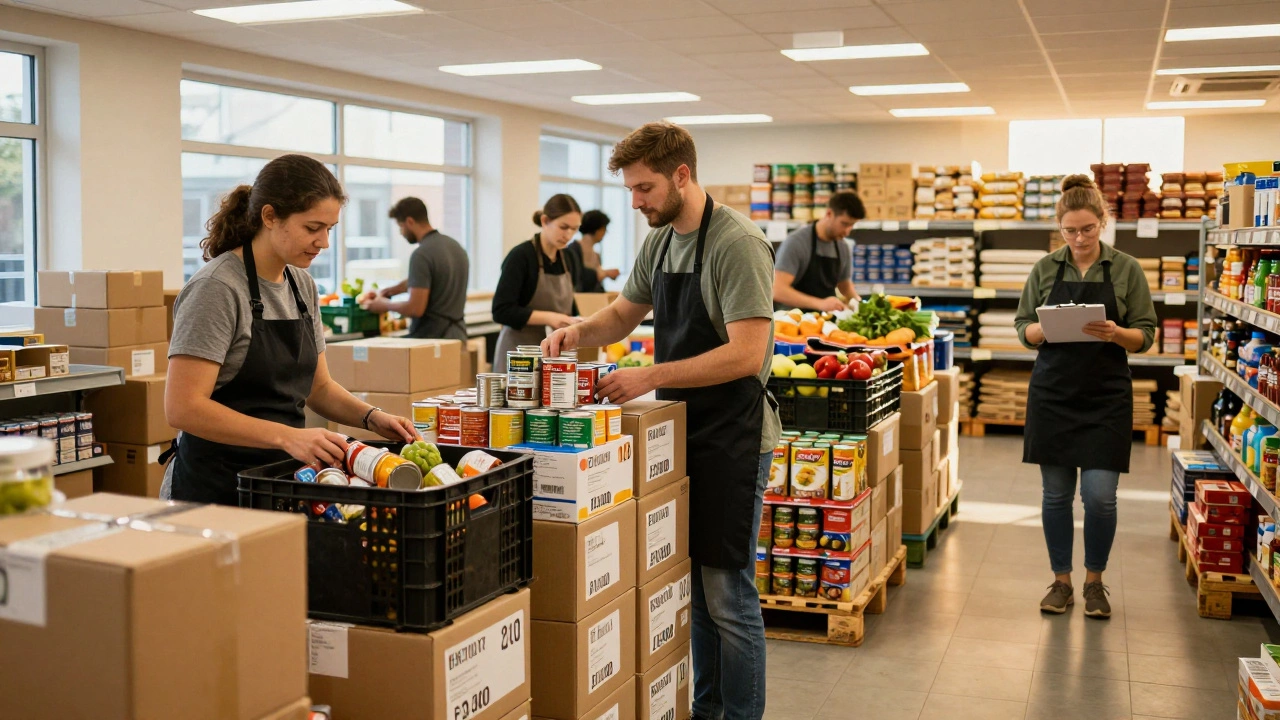
The most common type of volunteering worldwide is helping with food distribution. That means sorting donations, packing food boxes, driving deliveries, or serving meals at shelters and community centers. In the UK alone, over 1.2 million people volunteer with food banks and meal programs each year, according to data from the Trussell Trust and local food networks. It’s not flashy. You won’t see it on TV. But it’s happening every single day-in church basements, school halls, and community centers.
Why is this so widespread? Simple: hunger doesn’t take a day off. And food banks need help with the grunt work: unloading pallets of canned goods, checking expiry dates, organizing shelves, and handing out parcels to families who are struggling. Many volunteers show up once a week for a couple of hours. It’s flexible. It’s tangible. You see the impact right away-a child getting a hot meal, an elderly person receiving groceries they can’t afford.
Organizations like the Trussell Trust, local food pantries, and soup kitchens rely on volunteers for over 80% of their workforce. Without them, these services would collapse. And while donations of money and food matter, none of it gets to people without hands on deck.
Why This Beats Other Types
You might think tutoring kids or cleaning up parks is more common. Or maybe helping at animal shelters. Those are popular-but they don’t come close in volume. Here’s how it breaks down:
- Food distribution: 1.2+ million volunteers in the UK annually
- Community cleanups: ~400,000 volunteers
- Education and tutoring: ~350,000 volunteers
- Animal welfare: ~250,000 volunteers
- Hospital and hospice support: ~200,000 volunteers
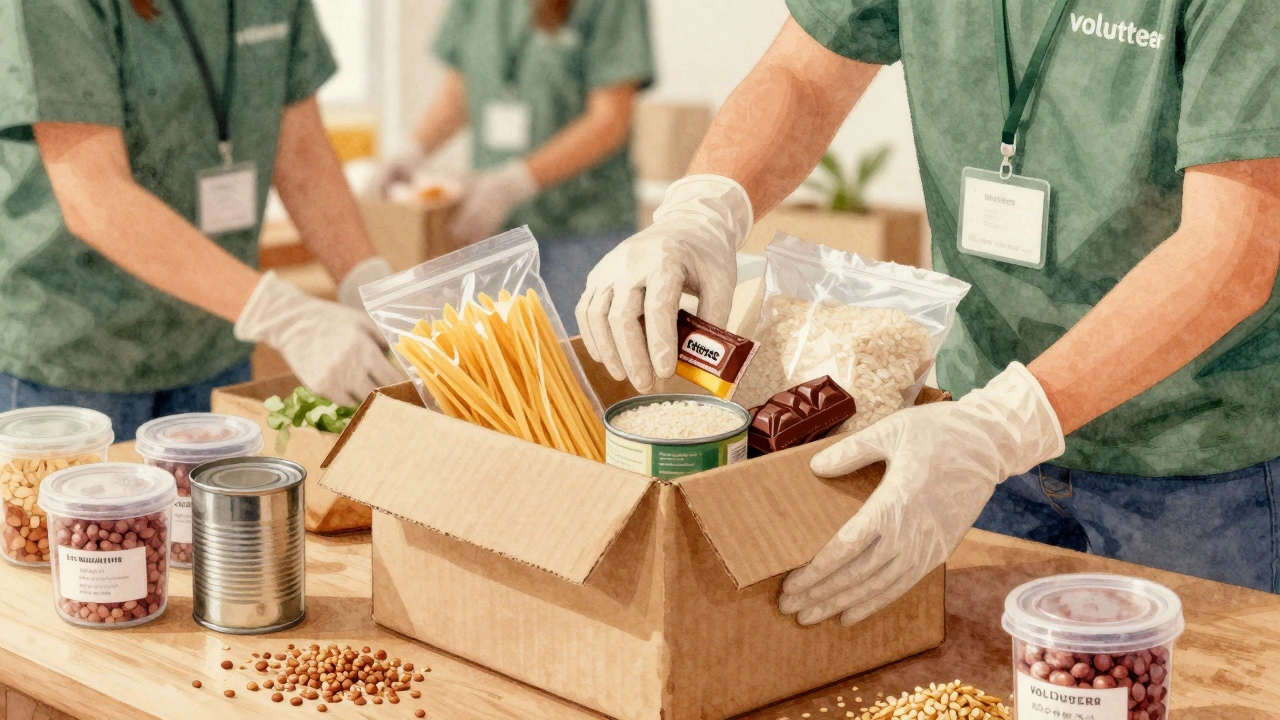
The gap is huge. Food-related volunteering isn’t just the most common-it’s the backbone of social support in many towns and cities. Why? Because it’s low-barrier. You don’t need special training. You don’t need to commit to months. You can show up, wear gloves, and start sorting tins. It’s accessible to students, retirees, parents, and people with limited mobility.
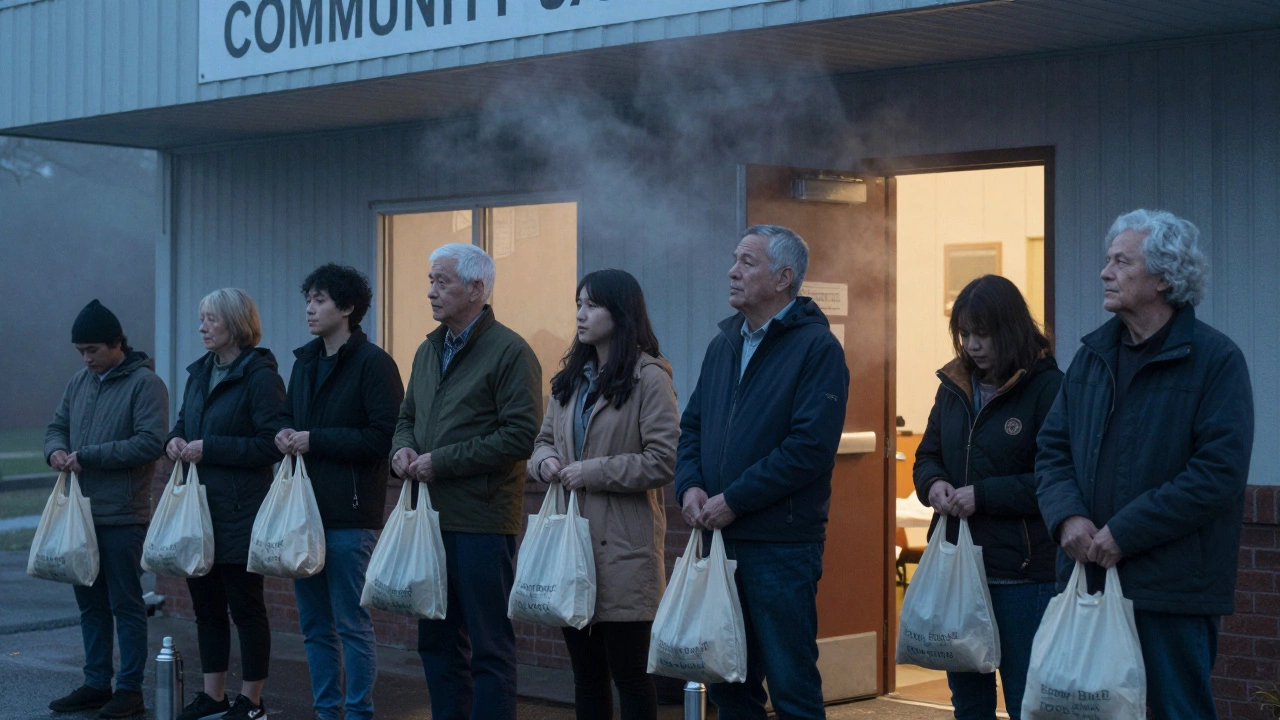
Plus, food insecurity is rising. In 2025, over 2.5 million people in the UK used a food bank at least once. That’s one in 25 people. And the demand keeps growing. Volunteers aren’t just helping out-they’re filling a critical gap left by underfunded social services.
What It Actually Looks Like
Let’s say you walk into a local food bank in Edinburgh on a Tuesday morning. You’re greeted by a volunteer coordinator who hands you an apron and a clipboard. Your job? Check 500 boxes of donated food for damage and expiration dates. Later, you help pack 150 emergency food parcels-each one includes pasta, rice, beans, canned veggies, soup, and a small treat for the kids. You talk to the staff about how many people came in last week-up 12% from last year. You leave at noon, tired but satisfied.
That’s the reality. No applause. No photos for Instagram. Just quiet, consistent work that keeps people fed. And it’s happening in every town, city, and village across the country.
Some volunteers do this once a month. Others come every week. Some are retired. Others are university students using their free time. Many are people who’ve been through hardship themselves and want to pay it forward.
It’s Not Just About Food
When you volunteer at a food bank, you’re not just handing out meals. You’re often the first friendly face someone sees in weeks. You hear stories-about job loss, illness, rising rent, or a partner leaving. You don’t fix everything. But you show up. And that matters.
Many food banks now partner with debt advisors, mental health workers, and housing charities. Volunteers are often the first to notice when someone needs more than food. They’re trained to spot signs of distress and quietly connect people with the right support. That’s the hidden layer: food volunteering is becoming a gateway to broader social care.
How to Get Started
If you want to join, it’s easier than you think.
- Search for your nearest food bank using the Trussell Trust website or local council listings.
- Call or email them. Most just ask for a few hours a week and a willingness to help.
- Attend a short induction-usually under an hour.
- Start sorting, packing, or serving.
No experience needed. No uniform required. Just show up. Some places even offer weekend shifts or evening slots if you work during the week.
What You’ll Gain
People often think volunteering is about giving. But it’s also about receiving. Volunteers report lower stress, stronger community ties, and a renewed sense of purpose. One volunteer in Glasgow told me, “I lost my job last year. I felt useless. Now, I know I still matter.”
That’s the quiet power of food volunteering. It doesn’t ask for much. But it gives back-more than you expect.
What’s Next?
Food distribution will likely stay the most common form of volunteering for years to come. As living costs rise and public services shrink, the need will only grow. But that also means more opportunities for people who want to help.
Volunteering isn’t about being a hero. It’s about showing up. And when it comes to feeding people who are hungry, showing up is everything.