
What Is the Hardest Part About Volunteering? Real Challenges and How to Overcome Them
 May, 14 2026
Volunteer Challenge Navigator
Common Challenges
Which hurdle are you facing?
Click on a challenge from the list to unlock your personalized strategy.
Challenge Title
ImpactThe Reality Check
Description goes here...
Your Strategy
Most people sign up to volunteer with a surge of adrenaline. You want to help, you want to make a difference, and you imagine yourself surrounded by gratitude and purpose. But three months in, that excitement often hits a wall. The work isn’t glamorous. The hours are rigid. And sometimes, despite your best efforts, it feels like nothing is changing.
If you’ve ever wondered what is the hardest part about volunteering, you aren’t alone. It’s not just about showing up; it’s about managing expectations, boundaries, and the emotional weight of the work. Let’s look at the real hurdles volunteers face-and how to navigate them without burning out.
The Myth of Instant Impact
We grow up hearing stories where one person makes a massive change overnight. In reality, most social issues-like homelessness, food insecurity, or educational gaps-are systemic. They didn’t happen in a day, and they won’t be fixed in a weekend shift.
When you volunteer at a food bank, you might spend hours sorting cans instead of handing out meals. When you tutor students, progress can be slow and non-linear. This gap between expectation and reality is jarring. You signed up to save the world, but you’re mostly filing paperwork or cleaning up after events.
This disconnect leads to frustration. You start questioning if your time is wasted. The truth is, infrastructure matters. Sorting those cans ensures the distribution system runs smoothly. Filing paperwork keeps funding flowing. It’s unsexy, but it’s essential. Adjusting your mindset from "hero" to "team member" helps bridge this gap.
Time Commitment vs. Personal Life
Volunteering sounds flexible until it isn’t. Many organizations rely on consistent schedules. If you commit to every Tuesday evening, life happens. Work deadlines pile up. Family needs attention. You get sick. Suddenly, you feel guilty for missing shifts.
This pressure creates a hidden cost: volunteer burnout. Unlike paid jobs, you don’t have contractual obligations, but the moral obligation can feel heavier. You promised to help, so pulling back feels like letting people down.
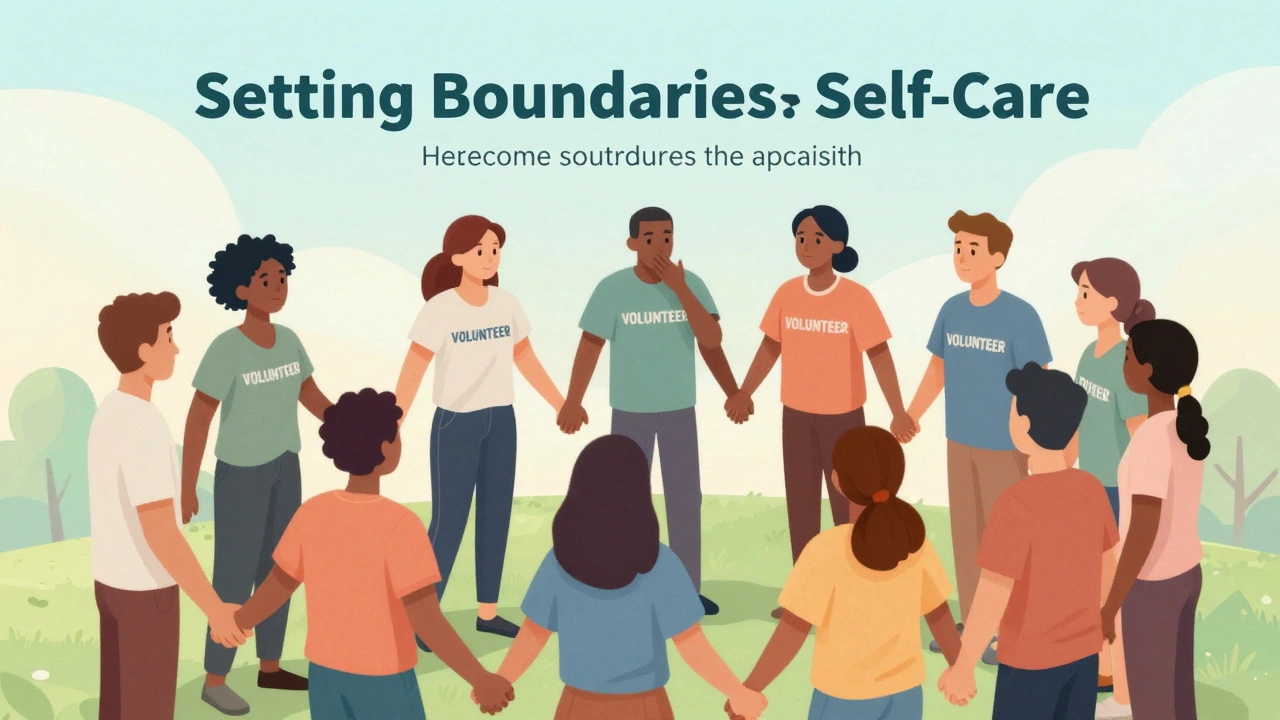
The hardest part here is setting boundaries. Organizations need reliability, but you need balance. If you overcommit, you’ll resent the cause. If you underdeliver, you disrupt operations. The key is honest communication. Tell the coordinator upfront what hours you can realistically give. Better to offer four hours a month consistently than forty hours in one chaotic week before disappearing.
Emotional Exhaustion and Vicarious Trauma
Some roles expose you to heavy emotions. Working with victims of domestic violence, supporting grieving families, or assisting seniors with dementia takes a toll. You hear stories that stay with you. You see suffering up close.
This is known as vicarious trauma. It’s when you absorb the stress of others. You might find yourself anxious after shifts, unable to sleep, or feeling hopeless. It’s not weakness; it’s human empathy working overtime.
Many charities don’t provide adequate mental health support for volunteers. They assume passion is enough fuel. It isn’t. Without debriefing sessions or clear limits on exposure, volunteers carry this weight home. Recognizing signs of emotional fatigue early is crucial. If you feel drained rather than fulfilled, step back. Self-care isn’t selfish; it’s necessary to sustain long-term contribution.

Lack of Recognition and Appreciation
You do the work. You show up. You go above and beyond. And then… silence. No thank you note. No public acknowledgment. Just another task assigned via email.
Human beings crave recognition. It validates our effort. In corporate jobs, you get raises and promotions. In volunteering, the reward is supposed to be intrinsic-the feeling of helping. But when that feeling is absent, motivation drops.
Some organizations are understaffed and underfunded. They struggle to manage programs, let alone celebrate volunteers. That doesn’t excuse poor management, but it explains it. Still, lack of appreciation can make you feel invisible. You become a cog in a machine, replaceable and unnoticed.
If this resonates, seek organizations that value their volunteers. Look for groups with volunteer appreciation events, regular feedback loops, or leadership opportunities. Your goodwill shouldn’t be taken for granted.
Bureaucracy and Red Tape
Charities operate within strict regulations. Background checks, training modules, data protection protocols, insurance forms-it’s a lot before you even start. For some, this administrative burden kills enthusiasm.
You wanted to plant trees, not fill out GDPR compliance forms. While these rules protect everyone, they can feel stifling. Bureaucracy slows action. It turns spontaneous goodwill into structured processes.
This friction is especially noticeable in larger NGOs. Small grassroots groups may be more agile, but they lack resources. Large charities have structure but move slowly. Neither is perfect. Understanding why red tape exists helps reduce frustration. It ensures safety, accountability, and sustainability. Patience goes a long way here.
Misaligned Values and Organizational Culture
Not all charities align with your values. Some prioritize fundraising over direct aid. Others focus on PR stunts rather than meaningful impact. You might join an environmental group only to realize they sponsor plastic-heavy events.
Cultural mismatch causes internal conflict. You believe in transparency, but the organization operates opaquely. You value efficiency, but meetings run two hours over. These differences erode trust.
Before committing, research the organization’s mission, financial reports, and community reputation. Ask questions during interviews. Are their actions aligned with their words? If not, walk away. There are plenty of causes that match your principles.
Dealing With Difficult People
Volunteering puts you in contact with diverse groups-staff, other volunteers, beneficiaries. Not everyone will be pleasant. Some staff may be disorganized. Other volunteers might be entitled or lazy. Beneficiaries could be frustrated or demanding.
Conflict arises naturally. A volunteer argues over shift swaps. A beneficiary snaps because services are limited. Staff micromanage your tasks. Navigating these dynamics requires patience and diplomacy.
You can’t control others’ behavior, but you can control your response. Set clear boundaries. Communicate respectfully. Escalate issues to supervisors when needed. Remember, difficult interactions are part of the job-not a reflection of your worth.
| Challenge | Impact | Solution |
|---|---|---|
| Unrealistic Expectations | Frustration, Disappointment | Adjust mindset; focus on incremental progress |
| Time Pressure | Burnout, Guilt | Set realistic commitments; communicate limits |
| Emotional Fatigue | Anxiety, Hopelessness | Seek support; take breaks; practice self-care |
| Lack of Recognition | Demotivation | Choose appreciative organizations; track personal growth |
| Bureaucracy | Slowed Action | Patiently complete requirements; understand purpose |
How to Succeed Despite the Hard Parts
Avoiding these pitfalls starts with preparation. Research thoroughly. Start small. Build relationships. Reflect regularly. Ask yourself: Am I still aligned with my goals? Do I feel valued? Is my schedule sustainable?
If answers lean negative, reassess. Switch roles. Take a break. Leave entirely. Volunteering should enrich your life, not drain it. The right opportunity balances challenge with fulfillment.
Is it normal to feel burnt out while volunteering?
Yes, volunteer burnout is common. Emotional exhaustion, time pressure, and lack of recognition contribute significantly. Acknowledge feelings, set boundaries, and seek support if needed.
How much time should I commit to volunteering?
Start with 2-4 hours weekly. Assess impact and personal capacity before increasing. Consistency matters more than volume.
What if I disagree with my charity’s methods?
Discuss concerns openly. If unresolved, consider leaving. Ethical alignment is crucial for sustained engagement.
Can volunteering improve my career prospects?
Absolutely. Skills like teamwork, problem-solving, and leadership gained through volunteering enhance employability. Highlight experiences on resumes.
Why do some volunteers quit quickly?
Mismatched expectations, poor onboarding, and inadequate support lead to early departures. Clear communication and role clarity prevent this.