
What Is Meant by Community Outreach? A Simple Guide to Real Impact
 Dec, 25 2025
Community Outreach Assessment Tool
Find out how well your community outreach efforts align with the principles of effective, sustainable engagement. Answer the questions honestly and get personalized feedback based on your answers.
Your Assessment Results
Your outreach score: 0/7
Strengths
Areas for Improvement
When people talk about community outreach, they’re not just saying nice things about helping neighbors. They’re talking about real actions that connect people, fix problems, and build trust where it’s needed most. It’s not a one-time event or a flyer on a bulletin board. It’s about showing up, listening, and staying involved - even when it’s messy or slow.
Community outreach isn’t charity. It’s collaboration.
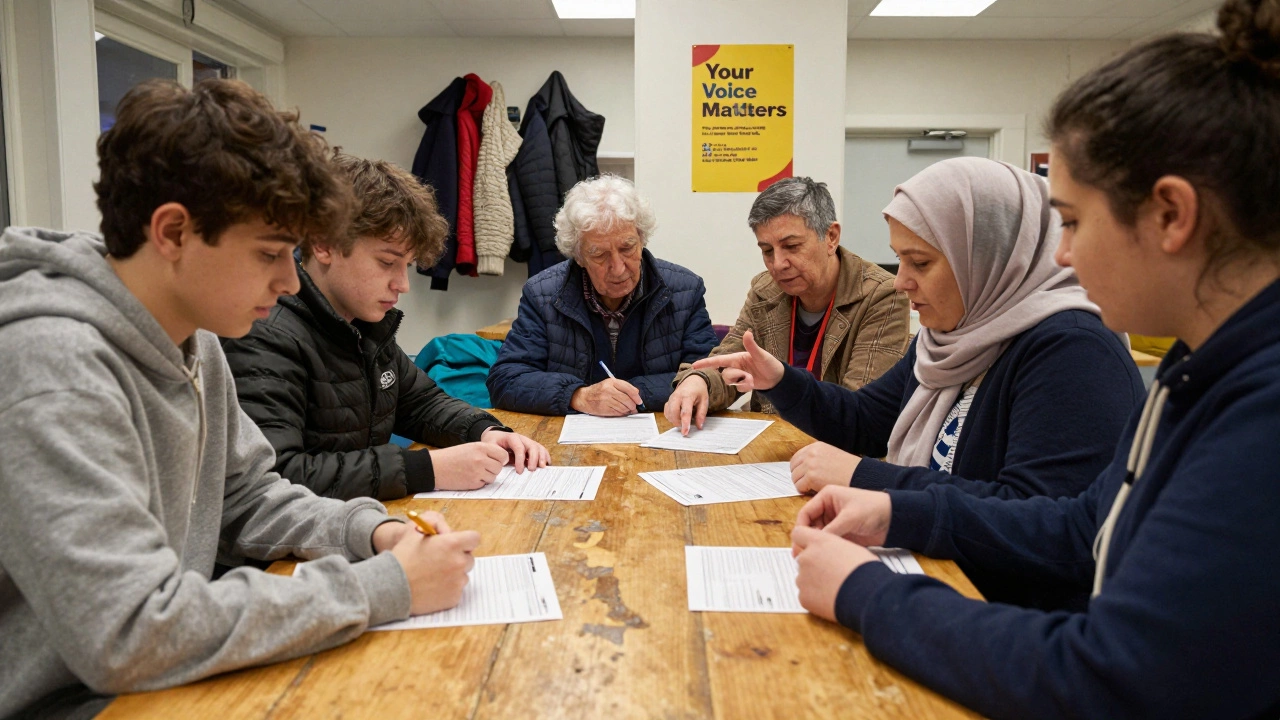
Too often, people think outreach means giving out food, handing out blankets, or running a one-day event. Those things help - but they’re not outreach. True community outreach flips the script. Instead of deciding what people need from the outside, you ask them. You sit in their living rooms, at their church basements, or on park benches. You learn what’s broken, what’s working, and what they’re already doing to fix it.
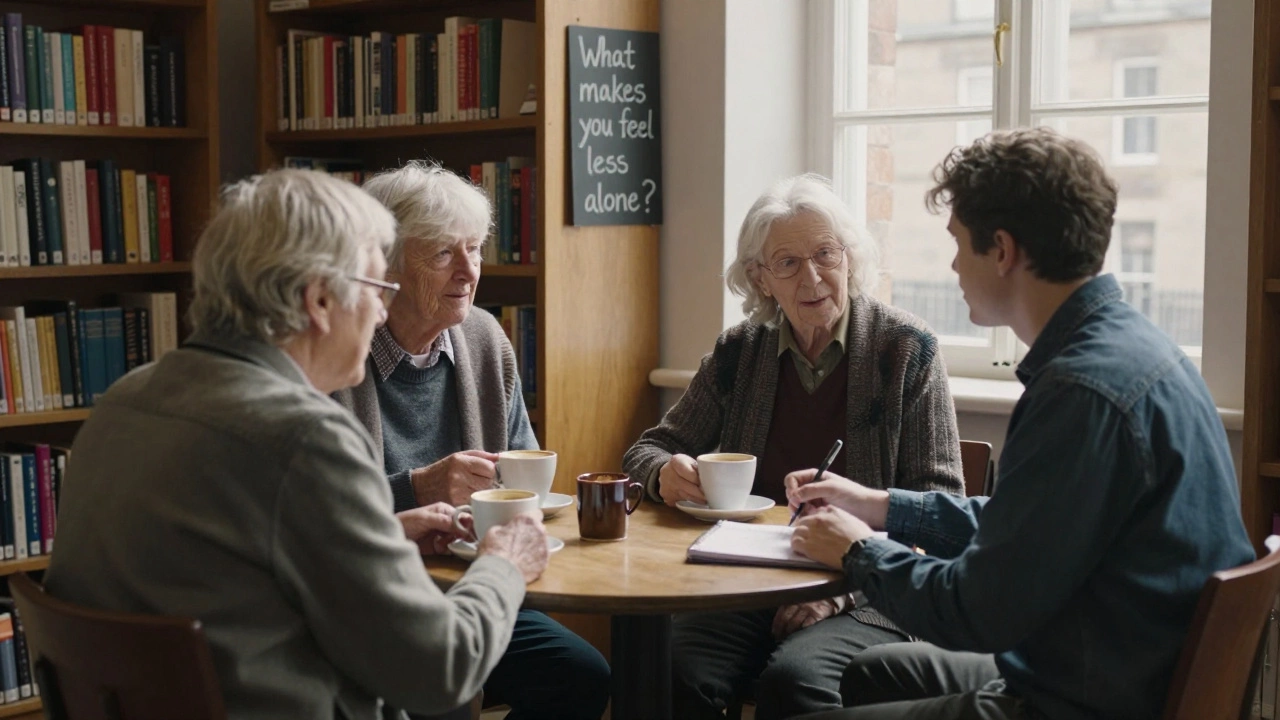
In Edinburgh, for example, a group of residents noticed that elderly people in the Leith area were going weeks without seeing anyone. Instead of launching a volunteer visit program from the top down, they hosted coffee mornings at the local library and asked: ‘What would make you feel less alone?’ The answer wasn’t more volunteers - it was better transportation to the grocery store. So they partnered with a local taxi co-op to offer discounted rides on Tuesdays. That’s outreach: listening first, acting second.
What does community outreach actually look like?
There’s no single template. But here’s what it commonly includes:
- Door-to-door conversations in neighborhoods where people feel ignored
- Hosting town halls in places people already go - schools, laundromats, places of worship
- Working with local leaders who already have trust - not just NGOs or council workers
- Creating feedback loops: asking, listening, reporting back what changed because of their input
- Training residents to lead initiatives, not just participate in them
It’s not about big budgets. It’s about time, patience, and humility. A school in Glasgow started a youth mentorship program by asking teens what they wanted. They didn’t ask for more sports equipment. They asked for someone to help them fill out college applications. So the school recruited retired teachers - not as volunteers, but as paid part-time advisors. That’s outreach in action.
Why do so many outreach efforts fail?
Most fail because they’re designed by people who don’t live in the community. They use buzzwords like ‘empowerment’ and ‘inclusion’ but never actually include the people they claim to serve.
Here’s what goes wrong:
- Planning meetings are held during work hours, when the people who need help can’t attend
- Surveys are sent by email, but many residents don’t have reliable internet
- Outreach teams speak in jargon: ‘stakeholder engagement,’ ‘capacity building’ - words that mean nothing to someone struggling to pay rent
- They show up once a month with a clipboard and vanish until next quarter’s report
A study by the University of Edinburgh’s School of Social and Political Science found that outreach programs with sustained, resident-led leadership were 3.5 times more likely to create lasting change than those run by outside organizations. The difference? Control. When the community leads, people stay invested.
Who does community outreach serve?
It serves everyone - but especially those left out of the conversation. That includes:
- Families living in temporary housing
- Non-English speakers who can’t navigate public services
- Young people who feel invisible in school systems
- People with disabilities who can’t access public meetings
- Older adults who’ve been told their opinions don’t matter anymore
It’s not about fixing them. It’s about making sure they’re part of the solution. In West Lothian, a community group noticed that many parents weren’t using the free childcare vouchers because they didn’t understand the paperwork. Instead of sending out forms, they trained bilingual moms to walk other parents through the process over tea. Within six months, usage jumped by 70%.
How do you start community outreach - without a big budget?
You don’t need a grant or a fancy office. You need:
- One person who shows up consistently. Not every week - but every time they say they will.
- A quiet place to listen. A community center, a café corner, even a park bench. No agenda. Just presence.
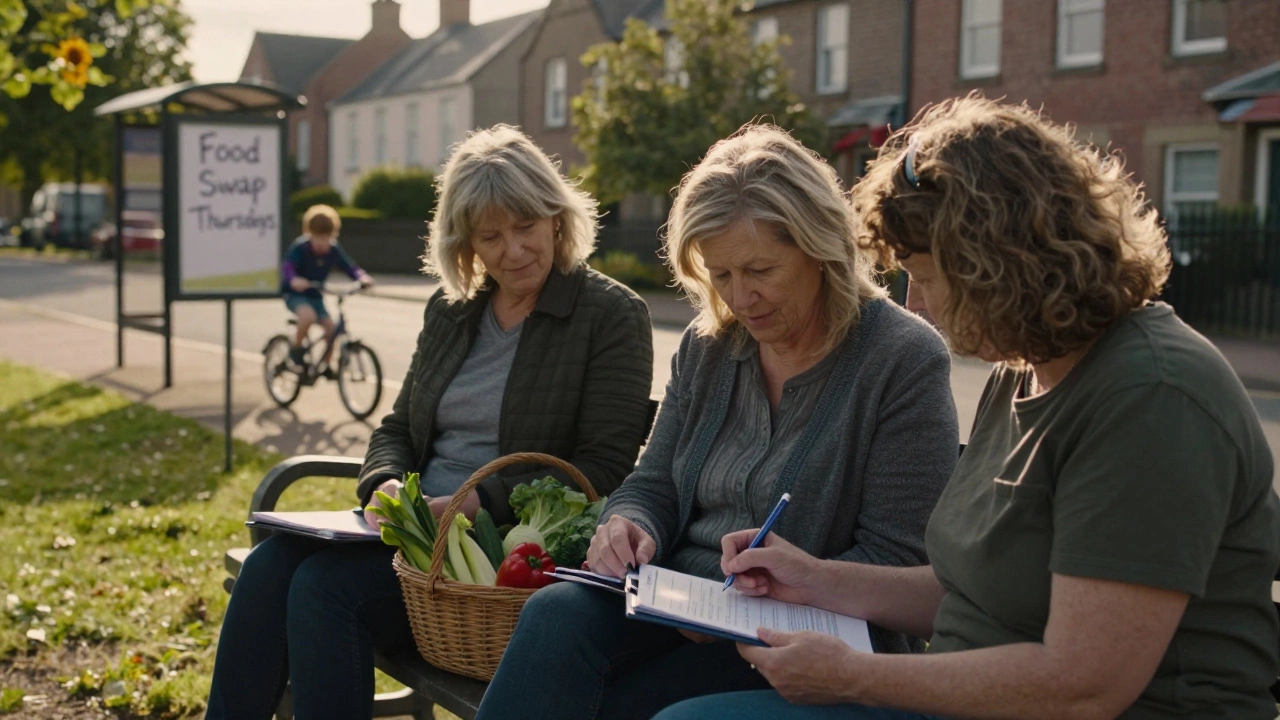
- A way to share what you hear. A simple poster, a WhatsApp group, a noticeboard at the bus stop. People need to know their voice was heard.
- A promise to act. Even if it’s small. ‘We’ll ask the council about streetlights’ - and then actually do it.
There’s no magic formula. Just this: show up, stay, and let people lead.
Community outreach isn’t a program. It’s a relationship.
Think of it like gardening. You don’t plant a tree and expect fruit in a week. You prepare the soil, water it, protect it from weeds, and wait. Sometimes you get nothing for months. But when it grows, it feeds the whole block.
Community outreach is the same. It doesn’t make headlines. It doesn’t come with a ribbon-cutting ceremony. But it changes lives - quietly, deeply, and permanently.
It’s the neighbor who starts a food swap because they saw people throwing out vegetables. It’s the teenager who starts a homework club in the basement of the corner shop. It’s the group of women who meet every Thursday to help each other apply for benefits - because no one else would sit with them through the forms.
That’s what community outreach means. Not a slogan. Not a campaign. A thousand small acts of showing up - and staying.
Is community outreach the same as volunteering?
No. Volunteering is giving your time to help. Community outreach is about building relationships and listening to what people actually need - then helping them lead the change. You can volunteer without doing outreach. But real outreach always involves listening first, and often, letting the community take the lead.
Do you need money to do community outreach?
Not at all. Many of the most effective outreach efforts cost almost nothing. A weekly coffee meet-up, a printed flyer, a WhatsApp group - these cost little but build deep trust. Money helps scale things, but it doesn’t create connection. That comes from showing up, being reliable, and keeping promises.
How do you know if your outreach is working?
Look for signs of trust, not numbers. Are people starting to show up without being asked? Are they bringing friends? Are they speaking up in meetings? Are they asking for more responsibility? Those are the real metrics. If you’re counting attendees or surveys, you’re missing the point. Real change shows up in who’s leading the next meeting - and whether it’s someone from the community, not an outsider.
Can businesses do community outreach?
Yes - but only if they stop treating it like marketing. A business that sponsors a festival and then posts about it on Instagram isn’t doing outreach. One that hires local teens to run their social media, pays them fairly, and asks them what the neighborhood needs - that’s outreach. The key is whether the community has real power, not just visibility.
What’s the biggest mistake people make with outreach?
Assuming they already know what’s needed. Too many outreach efforts start with a solution - ‘We’ll fix food insecurity with a food bank’ - without asking why people are going hungry in the first place. Maybe it’s transport. Maybe it’s shame. Maybe it’s a broken benefits system. Outreach means starting with the problem as the community sees it, not as you assume it is.
What comes next after outreach?
Outreach doesn’t end when the first meeting is over. It’s the beginning of something bigger. Once trust is built, communities start asking for more - better housing, safer streets, fairer policies. That’s when outreach turns into advocacy.
But it has to be led by the people who live there. Outsiders can help with resources, connections, or skills - but never with control. The most powerful outcomes happen when someone from the community stands up in a council meeting and says, ‘This is what we need,’ not when an NGO says it for them.
Community outreach isn’t about saving people. It’s about making sure no one is left out of the conversation - and that everyone has a seat at the table, not just a place to stand and listen.