
What is Another Term for Community Outreach? Best Alternatives and Meanings
 Apr, 23 2026
Community Outreach Term Finder
Not sure which term to use in your proposal or newsletter? Select your current scenario to find the perfect alternative.
Why this term?
Quick Summary of Top Alternatives
- Public Engagement: Best for government or academic projects where two-way communication is key.
- Civic Involvement: Ideal for political or local government initiatives focused on duty and citizenship.
- Community Relations: The gold standard for corporate settings and PR departments.
- Social Responsibility: Used when a business wants to show it cares about the planet and people.
- Grassroots Organizing: Perfect for bottom-up movements and activist-led change.
When You Need a Professional Edge
If you're writing a report for a board of directors or a corporate sponsor, "outreach" can sometimes sound too vague. You want terms that imply strategy, measurable results, and long-term stability. This is where Community Relations comes in. It's not just about giving away free stuff; it's about managing the relationship between an organization and the people it affects. For example, if a tech company builds a new data center in a small town, they don't just do "outreach." They establish a community relations program to handle noise complaints, hire local workers, and sponsor the town's annual fair. It's about the image and the bond. Similarly, Corporate Social Responsibility (or CSR) is the heavy hitter in the business world. CSR isn't just a one-time event; it's a business model. When a clothing brand commits to using only organic cotton and donating 1% of profits to water filtration in Africa, that's CSR. It moves the conversation from "helping out" to "doing business ethically."| Term | Best For... | Vibe | Example Scenario |
|---|---|---|---|
| Public Engagement | City Council/Universities | Collaborative | Town hall meeting on new bike lanes |
| Civic Involvement | Nonprofits/Voting Drives | Duty-driven | Encouraging youth to vote in local elections |
| Community Relations | Corporations/PR Firms | Strategic | A bank sponsoring a local high school sports team |
| Grassroots Organizing | Activists/Small Groups | Passionate | Neighbors protesting a new landfill site |
The Heart-Centered Alternatives
Not every project is a corporate strategy. Sometimes, you're just trying to get people to help out at a local food bank or join a neighborhood watch. In these cases, "outreach" feels too much like a dentist's office. You need words that feel warm and inviting. Civic Involvement is a great choice here. It suggests that being part of a community is a shared responsibility. It's not that the organization is "reaching out" to the people (which can sometimes sound a bit patronizing, like they're coming from "above"), but that the people are *involved* in their own neighborhood. Then there's Grassroots Organizing. This is the most authentic term for movement-building. It implies that the power comes from the ground up. If you're starting a community garden by knocking on doors and talking to neighbors, you aren't doing an "outreach campaign"-you're organizing at the grassroots level. It's about power and ownership, not just service delivery.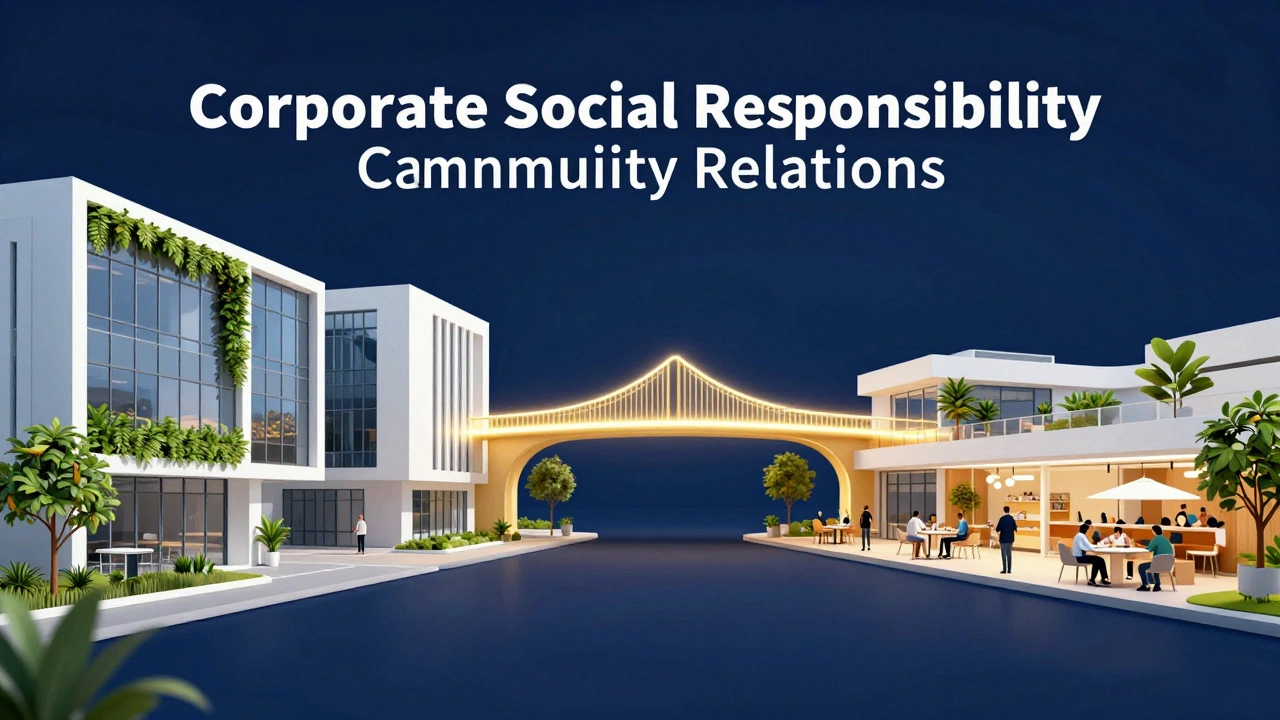
Academic and Government Contexts
When you step into the world of city planning or university research, the language shifts again. You'll see Public Engagement used constantly. Why? Because "outreach" is often a one-way street (the organization speaks, the community listens). "Engagement" implies a conversation. Imagine a city wanting to redesign a public park. If they just send out a flyer, that's outreach. If they hold a workshop where residents draw where the benches should go, that's engagement. The goal here is to get a representative sample of the population to share their expertise on their own lives. Another term you'll run into is Community Mobilization. This is a step beyond engagement. Mobilization is about getting people to actually *do* something. It's the transition from "We think this is a problem" to "We are all going to show up at the city hall meeting on Tuesday to demand a change."How to Pick the Best Term for Your Goal
Choosing between these terms depends on what you want the outcome to be. If you're just trying to let people know a service exists, "outreach" is actually fine. But if you want something deeper, look at your intended relationship with the community.- Are you providing a service? Use "Community Support" or "Public Assistance."
- Are you asking for input? Use "Public Engagement" or "Community Consultation."
- Are you building a long-term brand? Use "Community Relations" or "CSR."
- Are you fighting for a cause? Use "Grassroots Organizing" or "Advocacy."

Common Pitfalls When Describing Your Work
One mistake people often make is using "outreach" when they actually mean "marketing." If you're just trying to get more customers for your business by pretending to care about the neighborhood, that's not outreach-that's a promotional campaign. Genuine community work involves a commitment to the people, not just the visibility of the brand. Another trap is over-using jargon. If you tell a group of volunteers that you're "implementing a strategic framework for civic engagement and stakeholder mobilization," they're going to stop listening. Just say, "We're getting the neighborhood together to fix the park." Simple language is almost always more effective than the "fancy" terms found in textbooks.What is the simplest way to say community outreach?
The simplest way to say it depends on the action. You can use "helping the community," "getting involved," or "connecting with neighbors." If you want to keep it professional but simple, "community work" usually does the trick.
Is "public engagement" the same as "community outreach"?
Not quite. Outreach is typically one-way: an organization sends information or services out to the public. Engagement is two-way: it's a dialogue where the organization listens to the community and uses that feedback to make decisions.
When should I use "grassroots organizing" instead of "outreach"?
Use "grassroots organizing" when the movement is started and led by the people themselves, rather than by a large institution. It's about building power from the bottom up to create a systemic change.
What is a good term for community outreach in a business proposal?
For a professional proposal, "Corporate Social Responsibility (CSR)" or "Community Relations" are the best bets. They signal that the company has a structured, sustainable plan for giving back to society.
Does "civic involvement" imply a political motive?
It can, but it doesn't have to. Civic involvement covers anything from voting and attending city council meetings to volunteering at a local library. It simply refers to the act of participating in the life of one's community.