
What Is an Outreach Event? 7 Real Examples and How to Plan One
 Jun, 25 2026
Outreach Event Planner & Strategy Tool
Define Your Goal
Recommended Event
Best MatchDescription goes here.
Why this works:
Rationale goes here.
Action Plan
- Define the specific "Ask" (e.g., sign-up, donation).
- Map the physical location where your audience hangs out.
- Secure local partnerships for venue or supplies.
- Train staff on empathy and active listening.
- Plan immediate follow-up within 48 hours.
Select your criteria to generate a plan
We will match you with one of the 7 proven outreach models.
Imagine walking into a crowded room where everyone is talking about the same problem you care about. Now imagine that same crowd realizing they can actually fix it together. That shift-from passive listeners to active participants-is exactly what an outreach event is designed to create.
If you are looking for a simple definition, an outreach event is any organized activity meant to connect an organization with its target audience outside of its usual environment. It is not just a party or a lecture; it is a bridge. Whether you are a charity trying to find new donors, a school wanting to engage parents, or a city council seeking feedback on zoning laws, the goal remains the same: build trust through direct contact.
But what does this look like in practice? People often confuse general marketing with true outreach. Marketing pushes a product out; outreach pulls people in by solving their immediate needs or answering their questions face-to-face. To help you visualize this, let’s look at seven concrete examples of outreach events that work across different sectors, from health to education.
1. The Mobile Health Clinic Pop-Up
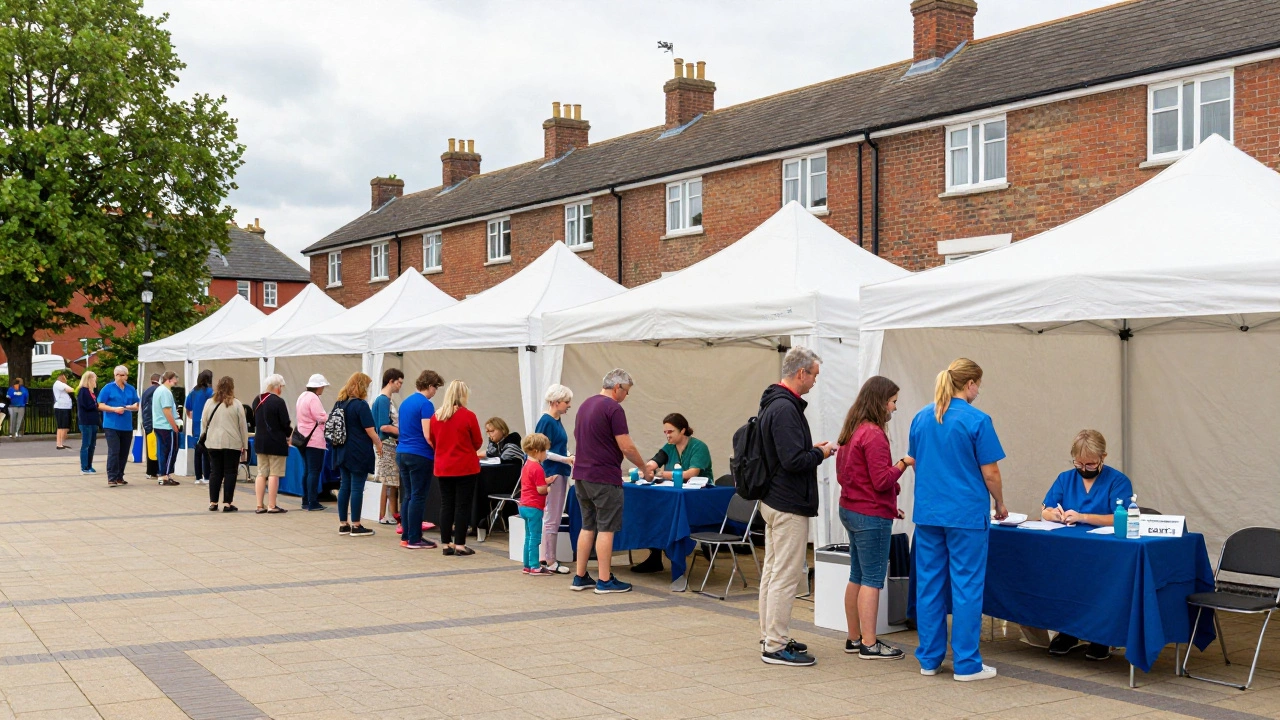
Healthcare organizations often struggle to reach underserved populations who cannot afford transport or time off work. A mobile clinic pop-up solves this by bringing services directly to the neighborhood.
Here is how it works in reality: A local health trust partners with a community center in a high-density housing area. They set up tents offering free blood pressure checks, flu vaccinations, and mental health counseling sessions. They do not ask for money upfront. Instead, they provide value first. By the end of the day, they have screened hundreds of residents and built a database of contacts who now trust the organization enough to book follow-up appointments.
This type of event relies on accessibility and immediacy. The key success factor is location. If you put the clinic in a business district, you will miss your target demographic. You must go where the need is highest, even if the logistics are harder.
2. The "Meet Your Councilor" Street Fair
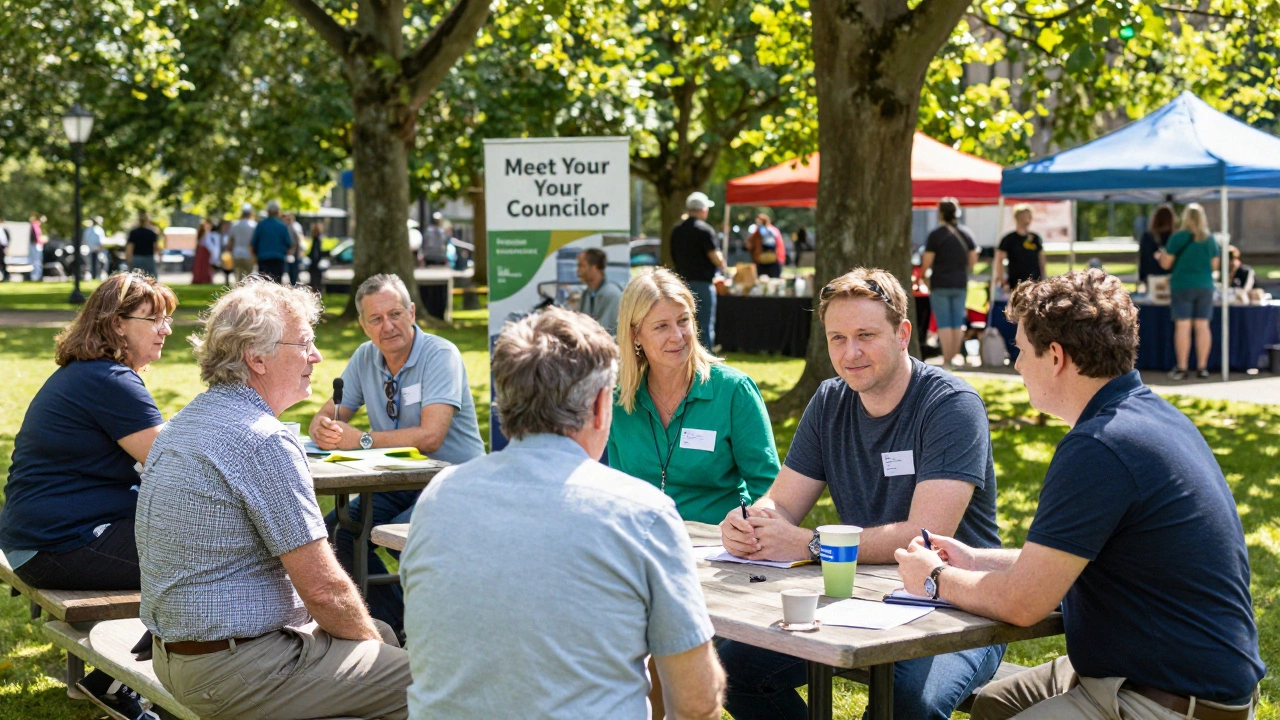
Political engagement often feels distant and bureaucratic. Local government bodies use street fairs to humanize public service. This is a classic civic outreach example.
In Edinburgh, for instance, during the summer months, various council wards host informal gatherings in local parks. There is no podium. Instead, there are picnic tables, local food vendors, and councilors wearing name tags but no suits. Residents walk around with questions about potholes, recycling schedules, or park maintenance. Staff take notes on tablets right then and there.
The power here is transparency. When a resident asks, "Why was my bin missed last week?" and gets a specific answer rather than a generic form letter, the relationship changes. These events reduce the perception of government as an enemy and reframe it as a neighbor.
3. Corporate Career Roadshows in Schools
Companies often complain about a lack of diverse talent pipelines. Waiting for applications online rarely fixes this structural issue. Career roadshows bring corporate culture directly into secondary schools and colleges.
Consider a tech firm visiting a vocational college. Instead of a dry PowerPoint presentation, they set up coding stations where students can try building a simple app with guidance from engineers. They offer mock interviews and resume workshops. The goal is not to hire every student on the spot, but to demystify the industry.
This approach addresses the "hidden curriculum"-the unspoken rules of professional behavior that privileged students learn at home but others might miss. By providing these tools early, the company builds a brand loyalist base years before those students graduate.
4. Food Bank Awareness Drives
Charities dealing with poverty often face stigma. People who need food banks may feel ashamed to visit them. An effective outreach event removes this barrier by normalizing the conversation.
A common tactic is the "Supermarket Sweep" challenge. Volunteers stand outside major grocery stores with shopping carts. They invite passersby to buy a bag of groceries for £5, which the volunteers then donate to the local food bank. Simultaneously, they hand out flyers explaining who qualifies for emergency food aid.
This serves two purposes. First, it raises funds and supplies immediately. Second, it educates the public about the scale of hunger in their own postcode. It turns abstract statistics into tangible bags of rice and pasta. For the recipients, seeing their neighbors participate reduces the shame associated with asking for help.
5. University Open Days for Non-Traditional Students
Higher education institutions traditionally market to high-achieving teenagers. However, many universities now run specific outreach events for mature students, single parents, or those from low-income backgrounds who might self-select out of applying.
These events differ from standard open days. They include childcare facilities, financial aid advisors on standby, and sessions led by current students who share similar life experiences. The messaging shifts from "Look how prestigious we are" to "We can fit around your life."
The metric of success here is application conversion rates among underrepresented groups. If a university hosts ten such events and sees a 15% increase in applications from mature students, the ROI is clear.
6. Environmental Cleanup and Education Days
Environmental NGOs need volunteers, but asking strangers to join a cause requires emotional connection. A cleanup day combines physical action with education.
Organizers gather at a polluted beach or park. Participants spend two hours picking up litter. During breaks, experts give short talks on microplastics or local wildlife protection. At the end, there is a weigh-in of the collected trash, creating a visual impact.
Why does this work? Because people support what they help build (or clean). The act of sweating together creates camaraderie. Participants leave feeling empowered rather than guilty. They are more likely to sign up for long-term membership because they have already invested labor into the cause.
7. Library Digital Literacy Workshops
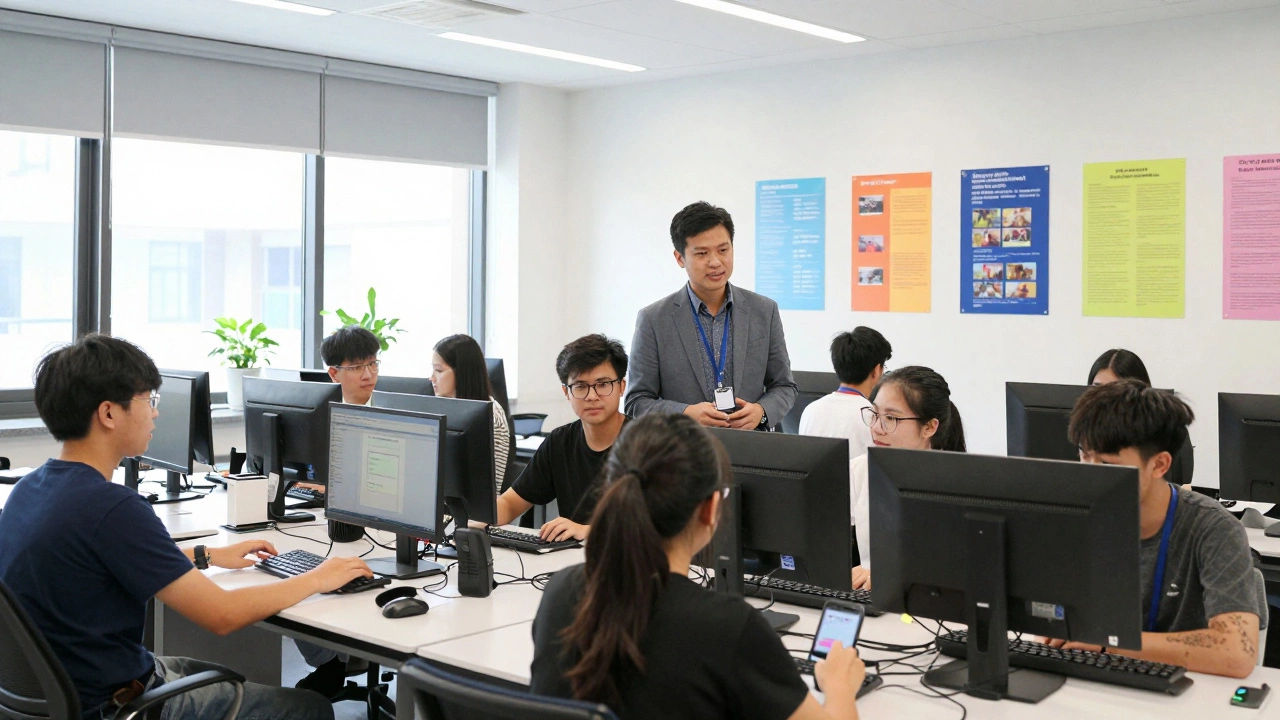
Public libraries are evolving from book repositories to community hubs. A major gap today is digital literacy among seniors and job seekers. Libraries host weekly workshops teaching basic skills: how to video call grandchildren, how to apply for jobs online, or how to spot phishing scams.
These are small-scale, high-frequency outreach events. They require minimal budget but yield high social capital. Librarians act as trusted guides. The outcome is measurable: reduced isolation among seniors and increased employability for job seekers. It positions the library as essential infrastructure, not just a quiet room.
How to Choose the Right Example for Your Goals
Not every event fits every organization. You need to match the format to your objective. Here is a quick comparison to help you decide.
| Event Type | Primary Goal | Best For | Key Metric |
|---|---|---|---|
| Mobile Clinic | Service Delivery & Trust | Health/NHS Organizations | Screens per hour |
| Street Fair | Feedback & Humanization | Local Government | Issues resolved on-site |
| Career Roadshow | Talent Pipeline Building | Corporations/Universities | Applications received |
| Food Drive | Fundraising & Awareness | Charities/Food Banks | Pounds/Kg collected |
| Cleanup Day | Volunteer Recruitment | Environmental Groups | New sign-ups |
Planning Your Own Outreach Event: A Step-by-Step Guide
You have picked your model. Now, how do you execute it without wasting resources? Follow these five steps.
- Define the "Ask": What do you want people to do after the event? Sign a petition? Book an appointment? Donate? Be specific. If you want everything, you will get nothing.
- Map the Audience: Where do they hang out? Not metaphorically-literally. If you are targeting young parents, go to playgrounds, not business parks. Use local data to pinpoint high-traffic zones.
- Secure Partnerships: Few organizations can do this alone. Partner with local businesses for venue space or refreshments. In Edinburgh, many cafes allow nonprofits to host info-tables in exchange for foot traffic. Leverage existing networks.
- Prepare Staff Training: Your volunteers are your face. Train them on empathy, active listening, and clear messaging. They should know how to handle difficult questions gracefully. Role-play scenarios beforehand.
- Plan the Follow-Up: The event is just the start. Have a system ready to capture emails or phone numbers (with consent) and send a thank-you note within 48 hours. Momentum fades quickly.
Common Pitfalls to Avoid
Even well-intentioned events can fail. Watch out for these mistakes.
- The "Parachute" Approach: Dropping into a community, taking photos, and leaving without building long-term relationships. Communities remember this. Always stay engaged after the event.
- Ignoring Accessibility: Holding an event in a building without wheelchair access, or during prayer times, or without translation services. This excludes the very people you aim to reach.
- Over-Promising: Telling attendees you can solve all their problems. Be honest about what your organization can and cannot do. Under-promise and over-deliver.
Measuring Success Beyond Attendance Numbers
Counting heads is easy, but it tells you little. Did those people care? Did they change their behavior? Look for deeper metrics.
For a health clinic, measure the number of referrals made to specialists. For a political fair, track the number of policy suggestions implemented later in the year. For a charity drive, monitor the retention rate of new donors six months later. True outreach success is measured in sustained engagement, not just a one-day spike in interest.
What is the difference between an outreach event and a fundraising gala?
A fundraising gala is typically exclusive, formal, and focused on collecting money from existing supporters. An outreach event is inclusive, often informal, and focused on connecting with new audiences, educating them, or providing direct services. While outreach can lead to donations, the primary goal is relationship-building, not immediate revenue.
How much does it cost to organize a community outreach event?
Costs vary wildly. A library workshop might cost only £50 for printed materials. A mobile clinic could cost thousands due to vehicle rental and medical staff salaries. However, many costs can be offset through sponsorships. Local businesses often provide food or venue space in exchange for logo placement on banners.
Who should I invite to my outreach event?
Start with your target beneficiaries-the people you want to serve or recruit. Then, invite community leaders, local media, and potential partners. Do not fill seats with internal staff or friends unless they are part of the target demographic. Authenticity matters more than crowd size.
Can virtual events count as outreach?
Yes, especially for reaching geographically dispersed audiences. Webinars, live Q&A sessions on social media, and virtual town halls are valid outreach tools. However, they lack the personal touch of face-to-face interaction. Hybrid models, combining online accessibility with local physical hubs, often yield the best results.
How do I get permission to hold an event in a public space?
In the UK, you usually need a license from your local council for street collections, stalls, or large gatherings in parks. Check your local council's website for "street trading licenses" or "event permits." Apply well in advance, as processing times can take several weeks. Small, informal meetings on private property generally do not require permits.