
What is a Traditional Youth Organization? Examples, History, and How They Work
 Aug, 2 2026
Traditional Youth Organization Finder
Select the primary focus area that best matches your goals to find the ideal organization type.
Outdoor & Adventure
Camping, survival skills, hiking, and nature exploration.
Agriculture & Science
Farming, animal care, robotics, and community projects.
Discipline & Leadership
Drill, marching, punctuality, and structured hierarchy.
Faith & Community
Spiritual growth, moral teaching, and service-based values.
Recommended Organization Type
Focus: --
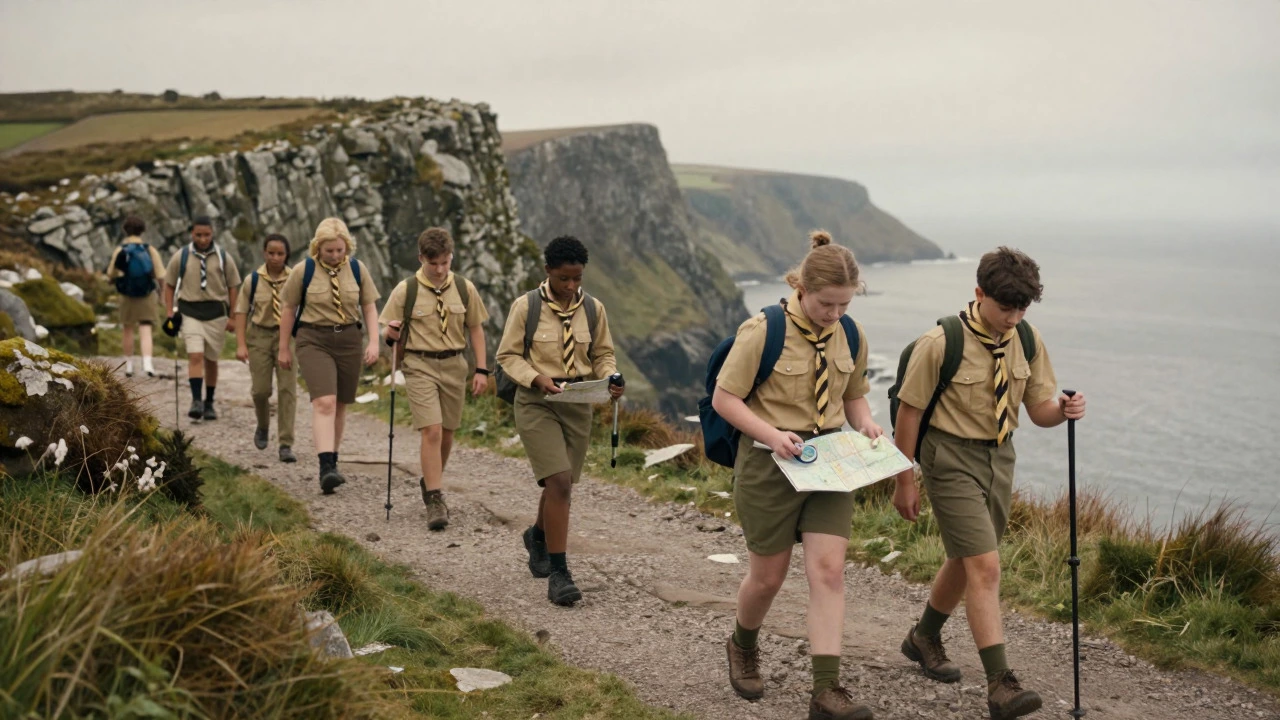
Think about the last time you saw a group of teenagers wearing matching uniforms. Maybe they were hiking in khaki shirts and neckerchiefs, or perhaps they were building a wooden structure in a muddy field. These images are iconic for a reason. They represent what we call traditional youth organizations. But what exactly does that term mean in 2026, and why do these groups still matter?
A traditional youth organization is a structured, non-profit group dedicated to the development of young people through specific activities like outdoor skills, community service, and character building. Unlike modern clubs that might focus solely on coding or competitive gaming, traditional groups have deep historical roots, often dating back over a century. They rely on mentorship, hierarchy, and shared rituals to teach life lessons.
The Classic Example: The Scouting Movement
If you need one definitive example of a traditional youth organization, it is the Scouting Movement, which includes groups like Boy Scouts and Girl Guides. Founded by Robert Baden-Powell in 1907, this is the oldest and most widespread youth movement in history. It operates in over 200 countries and territories, serving millions of young people annually.
Why is Scouting the perfect example? It hits every note of the "traditional" label:
- Uniforms: Members wear distinct attire that signifies rank and unity.
- Outdoor Focus: Camping, fire-building, and navigation are core skills.
- Mentorship Model: Adult leaders guide small groups of youth (called patrols or troops).
- Progression System: Earn badges for learning new skills, from first aid to knot-tying.
The structure is simple but effective. A young person joins a local troop, meets weekly, and goes on periodic camps. Over time, they learn responsibility, teamwork, and self-reliance. This model has been replicated globally because it works. It turns abstract values like "courage" into concrete actions like leading a hike.
Other Major Traditional Examples
While Scouting is the biggest, it is not alone. Several other organizations fit the "traditional" mold, each with its own flavor.
| Organization | Primary Focus | Key Activity | Founded |
|---|---|---|---|
| 4-H Clubs | Agriculture & Life Skills | Fair projects, animal care | 1902 |
| YMCA / YWCA | Spiritual & Physical Development | Sports, community programs | 1844 |
| Cadet Forces | Military Discipline & Leadership | Drill, marching, fieldcraft | 1908 (UK) |
| Lutheran Youth | Faith & Community Service | Camps, worship, volunteering | 1950s |
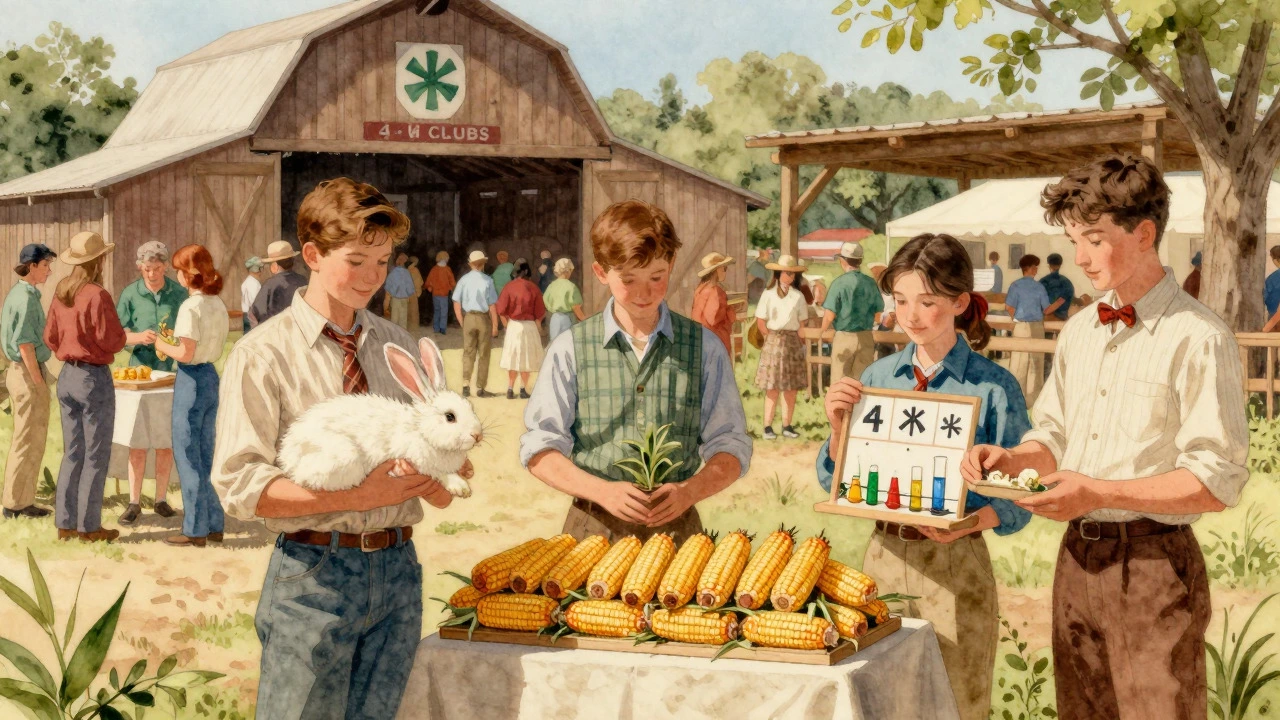
4-H Clubs, for instance, are huge in the United States. Their motto, "Head, Heart, Hands, Health," reflects a holistic approach. While Scouts focus on wilderness survival, 4-H focuses on agriculture, science, and civic engagement. You’ll see kids raising rabbits, judging corn, or presenting robotics projects at county fairs. It’s traditional because it connects youth directly to their local economy and community heritage.
The YMCA (Young Men's Christian Association) and its counterpart YWCA are even older. Started in London in 1844, the YMCA began as a place for young men to find spiritual support and physical health during industrialization. Today, while many YMCAs look like gyms, their youth programs still emphasize character development, swimming safety, and summer camps. They bridge the gap between religious roots and secular community service.
What Makes an Organization "Traditional"?
You might wonder why we distinguish "traditional" groups from other youth activities. Is a soccer team not a youth organization? Technically, yes, but it lacks the structural elements that define the traditional model. Here is what sets them apart:
- Long-Term Membership: Traditional groups expect members to stay for years, progressing through ranks. A soccer team might change coaches every season; a Scout troop stays together for five years.
- Adult-Led Mentorship: While peer interaction is key, adults hold formal leadership roles. They are trained volunteers, not just parents chaperoning a bus ride.
- Structured Curriculum: There is a clear path of learning. You don’t just "do stuff." You earn merit badges, complete certificates, or achieve specific ranks.
- Shared Identity: Uniforms, hand signs, mottos, and songs create a sense of belonging that transcends individual friendships.
This structure provides stability. In a world where digital attention spans are shrinking, these groups offer consistent, face-to-face interaction. They teach patience-waiting months to earn a badge, preparing for a campout weeks in advance.
The Role of Religion and Secularism
Many traditional youth organizations started with religious foundations. The YMCA was explicitly Christian. The Catholic Boys' Club and various Lutheran or Methodist youth groups still operate today, integrating faith with service.
However, the trend since the mid-20th century has been toward secularization. The Scout Association in the UK, for example, requires members to promise to "do my duty to God," but it interprets this broadly to include any spiritual belief. In the US, the Boy Scouts of America dropped its requirement for adult leaders to be male in 2018 and opened membership to all genders in 2019, reflecting a shift toward inclusivity while keeping traditional methods.
This balance is tricky. Some families choose secular groups like Civil Air Patrol (aviation-focused) or Future Farmers of America (now FFA) because they want skill-based learning without religious doctrine. Others prefer church-affiliated groups for the added layer of moral teaching.
Why Traditional Groups Still Matter in 2026
In an era of screens and social media, you might think these old-school groups are obsolete. Data suggests the opposite. Participation in traditional youth organizations correlates with higher levels of civic engagement, better mental health, and stronger academic performance.
Here is why they endure:
- Digital Detox: Campouts require putting phones away. Kids learn to entertain themselves and others without algorithms.
- Real-World Skills: Tying a bowline knot or starting a fire in the rain teaches problem-solving that apps cannot replicate.
- Community Connection: These groups are often embedded in local communities. Members volunteer at food banks, clean parks, and help seniors. This builds social capital.
- Resilience: Facing discomfort-cold tents, difficult hikes-builds grit. Young people learn they can handle hard things.
Consider the National Cadet Corps in India or the Army Cadets in the UK. These military-linked groups teach discipline and leadership. Even if a child never joins the armed forces, the habits of punctuality, respect, and teamwork stick with them into adulthood.
How to Choose the Right Group
If you are looking for a traditional youth organization for yourself or your child, start by identifying the desired outcome. Do you want outdoor adventure? Look at Scouts or Guides. Do you want agricultural or scientific skills? Look at 4-H or FFA. Do you value faith integration? Explore church-affiliated groups or the YMCA.
Visit a meeting. Talk to the leaders. Ask about their training standards and safety protocols. Traditional groups thrive on strong adult leadership. A well-run troop feels safe, inclusive, and fun. A poorly run one feels rigid or neglectful. Your gut feeling matters.
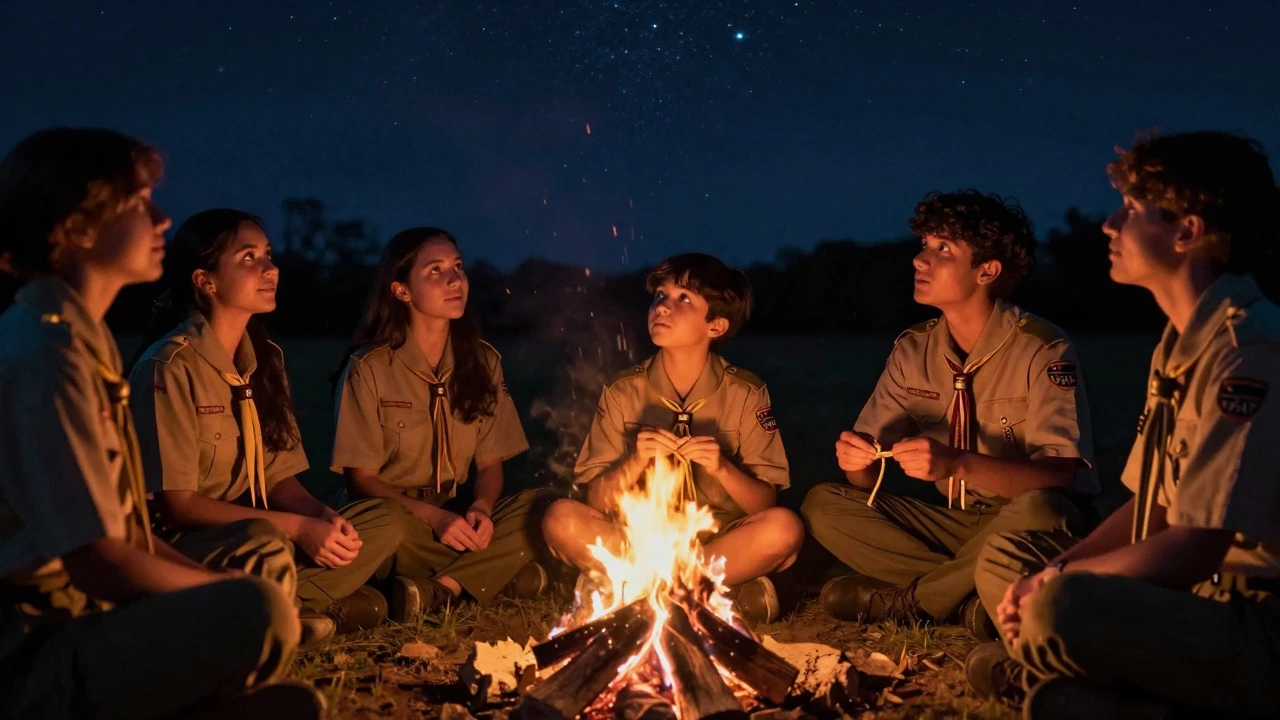
Remember, the goal isn't just to keep kids busy. It's to give them tools for life. Whether it's learning to navigate by stars or organizing a community fundraiser, these experiences shape who they become.
What is the most famous traditional youth organization?
The Scouting Movement, including Boy Scouts and Girl Guides, is the most famous and widespread traditional youth organization globally, with millions of members across over 200 countries.
Are traditional youth organizations religious?
Many started with religious roots, like the YMCA or church-affiliated clubs. However, many major groups like Scouts have become more secular, allowing diverse beliefs while maintaining ethical codes.
What age range do traditional youth organizations serve?
Most traditional groups serve children and teenagers aged 5 to 20. They often have different sections for younger kids (like Cubs or Beavers) and older teens (like Venturers or Rovers).
How much do traditional youth organizations cost?
Costs vary widely. Local troops often charge annual fees ranging from $50 to $300, plus costs for camping trips. Many groups offer scholarships or fundraising opportunities to ensure accessibility.
Can girls join traditionally male organizations like Boy Scouts?
Yes, in many countries. For example, the Boy Scouts of America officially allowed girls to join in 2019. Other groups, like Girl Guides, have always been female-focused but now often collaborate closely with male counterparts.