
What Is a Group of Youth Called? Common Terms for Youth Organizations
 Jan, 5 2026
Youth Group Type Identifier
What kind of youth group is this?
Answer 3 key questions to identify the group type
What is the primary purpose?
How is it structured?
Who leads the activities?
When you hear the words "group of youth," what comes to mind? Maybe a pack of teens hanging out at the park. Or a team of kids in uniforms handing out food at a community center. But there’s more to it than that. In the UK and beyond, groups of young people aren’t just random clusters-they’re organized, purpose-driven, and often vital to how communities function.
What’s the Right Word for a Group of Youth?
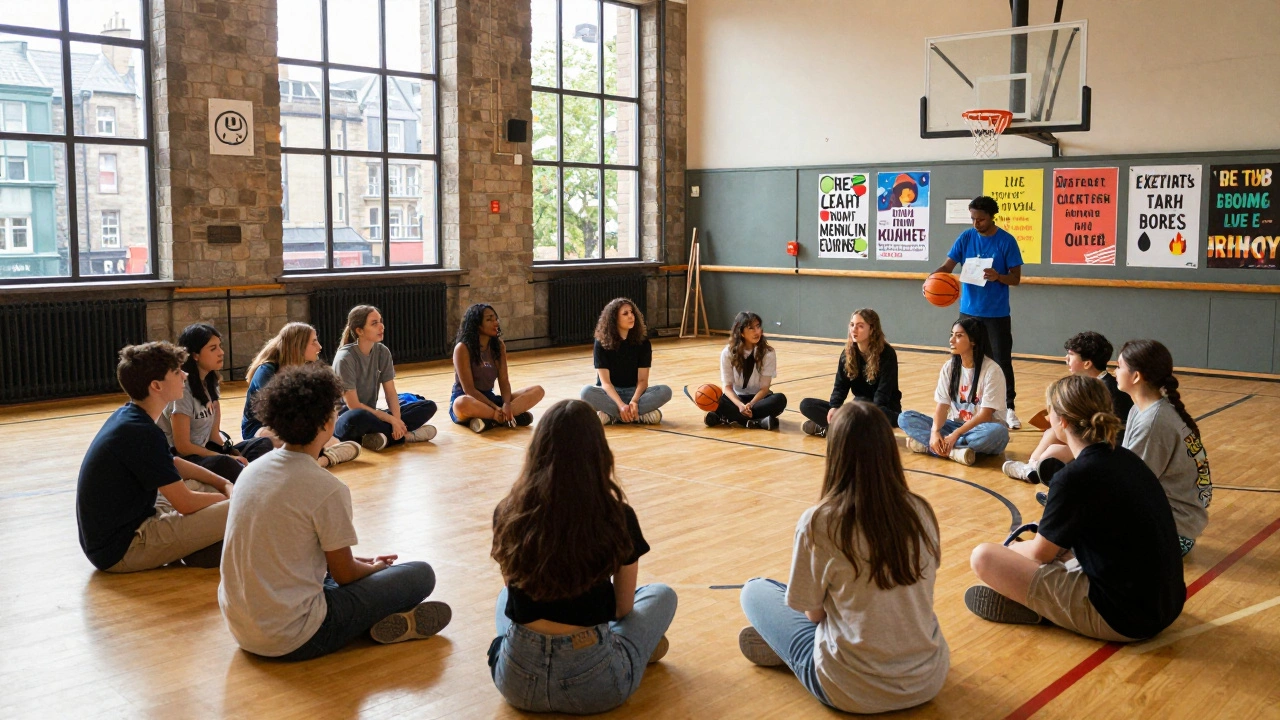
There’s no single answer. The term you use depends on the context, structure, and goals of the group. You might hear "youth club," "youth group," "youth organization," or even "youth movement." Each carries a different weight.A youth group is the most common term. It’s broad, informal, and often used by local councils, churches, or charities to describe regular meetings for young people aged 13 to 25. Think of a Saturday morning session at a community hall where teens learn first aid, play basketball, or talk about mental health. These aren’t formal institutions-they’re safe spaces.
A youth organization is more structured. It usually has a mission, staff, funding, and sometimes even national ties. Examples include the Scouts, the Boys & Girls Clubs, or the Young Farmers’ Clubs in Scotland. These groups often run programs for months or years, with leadership training, certifications, and even international exchanges.
Then there’s the youth movement. That’s not just a club-it’s a force. Think of the school climate strikes led by Greta Thunberg, or the UK’s Youth Parliament, where teens debate real policy changes. These groups form around shared beliefs, often challenging systems. They don’t just meet-they mobilize.
How These Groups Are Organized in the UK
In Scotland, youth groups are often tied to local authorities or charities. In Edinburgh, you’ll find youth hubs run by organizations like YouthLink Scotland. These aren’t just drop-in centers-they offer accredited courses, employability programs, and peer mentoring. Many are funded by the Scottish Government’s Youth Work Strategy, which recognizes youth work as a professional field.England and Wales have similar structures. The Duke of Edinburgh’s Award, for example, isn’t just a badge-it’s a national program with over 300,000 participants each year. It’s run through schools, youth clubs, and community centers, and it’s recognized by universities and employers.
Religious groups also play a big role. Church youth groups, mosque youth circles, and synagogue teen groups are common. They’re often the first place young people find mentorship outside of school. In Glasgow, the Muslim Youth Helpline runs weekly sessions that blend faith, mental health support, and leadership training.
Types of Youth Groups You’ll Find
Not all youth groups are the same. Here are the most common types across the UK:- Recreational youth groups-focused on sports, arts, or hobbies. Think skateboarding collectives or drama clubs.
- Developmental youth organizations-built to build skills. These include cadet programs, STEM clubs, and volunteering teams.
- Advocacy youth movements-young people pushing for change. Climate action groups, LGBTQ+ youth alliances, and anti-racism collectives fall here.
- Religious or cultural youth circles-grounded in identity and tradition. Sikh youth associations, Jewish youth groups, and Black youth networks are examples.
- Support groups-for young people facing hardship. These include groups for care leavers, young carers, or those dealing with anxiety.
Some groups overlap. A climate group might also run mental health workshops. A sports club might offer homework help. That’s the point-youth work isn’t about silos. It’s about meeting young people where they are.

What Makes a Good Youth Group?
Not every group that calls itself a "youth organization" actually helps young people. The best ones share a few key traits:- Young people help run them. If teens aren’t involved in planning meetings or choosing activities, it’s not youth-led-it’s adult-led with teens in the room.
- They’re free or low-cost. If participation requires £50 a month, you’re excluding the very people who need support most.
- They listen. The best youth groups have feedback loops: surveys, youth panels, and open forums where teens can say what’s working-and what’s not.
- They’re consistent. One-off events don’t build trust. Regular weekly or monthly meetings do.
- They connect to real opportunities. Whether it’s a job shadow, a college application workshop, or a chance to speak to a council member, the best groups open doors.
In Edinburgh, the Youth Voice Network brings together young people from 15 different groups to advise the city council. That’s not tokenism-it’s power-sharing.
Why These Groups Matter
A 2024 report from the Scottish Youth Parliament found that young people who regularly attend youth groups are 40% more likely to report good mental health and 35% more likely to volunteer in their communities. They’re also more likely to stay in education past 16.These aren’t just nice-to-haves. In areas with high youth unemployment or low access to mental health services, youth groups are often the only safety net. In rural parts of the Highlands, a mobile youth van might be the only consistent adult-led support a teenager gets.
And they’re not just helping individuals-they’re shaping society. Young people in youth groups are more likely to vote, join unions, and run for local office. They’re the next generation of community leaders.

How to Find or Start a Youth Group
If you’re looking for one near you:- Check your local council’s website-most have a "youth services" section.
- Search YouthLink Scotland’s directory or the National Youth Agency’s portal.
- Ask at your school, library, or local church.
- Look for posters in community centers or on social media with hashtags like #YouthEdinburgh or #YouthGroupUK.
If you want to start one:
- Find 3-5 other young people who care about the same issue-whether it’s art, climate, or just having a place to hang out.
- Reach out to a local youth organization for support. Many will help with funding, space, or training.
- Apply for small grants. Organizations like The Youth Trust or The National Lottery Community Fund offer under £500 starter grants.
- Set a simple schedule. Once a week, two hours, same place. Consistency beats perfection.
- Let the group decide its name. "The Green Teens," "The Book Club Crew," "Youth in Action"-it’s theirs to own.
Common Misconceptions
There are myths that keep people from joining or supporting youth groups:- "They’re just babysitting." No. Youth work is trained, professional, and often requires qualifications like a Level 3 Diploma in Youth Work.
- "Only troubled kids go." Wrong. Most participants are regular teens with normal lives who just want somewhere to belong.
- "They’re not serious." Youth movements have changed laws. The UK lowered the voting age for devolved elections in Scotland to 16 because of youth campaigning.
- "It’s all about fun." Fun is part of it-but so is learning how to lead, speak in public, manage budgets, and challenge injustice.
What’s Next for Youth Groups?
The landscape is changing. More groups are using apps to organize. Others are partnering with tech startups to teach coding. Some are becoming social enterprises-running cafes or recycling projects that fund their activities.One trend is clear: young people aren’t waiting for adults to solve problems. They’re building the solutions themselves. And the groups they create? They’re not just called youth organizations. They’re called the future.
What’s the difference between a youth group and a youth organization?
A youth group is usually informal, local, and may meet weekly with no formal structure-like a school club or church group. A youth organization is more formal, often with paid staff, a mission statement, funding, and sometimes national or international ties-like the Scouts or Young Farmers’ Clubs. Both serve young people, but organizations tend to have more resources and longer-term programs.
Can a group of teens call themselves a youth movement?
Yes-if they’re organized around a shared cause and are actively trying to create change. Calling yourself a movement isn’t about size, it’s about purpose. If a group of 15 teens in Aberdeen is campaigning for better mental health services in schools, they’re a youth movement. The term implies action, not just gathering.
Are youth groups only for teenagers?
Most focus on 13-25-year-olds, but some include younger kids (10-12) or young adults up to 26. The age range depends on the group’s goals. For example, a youth club might take 11-year-olds, while a youth employment program targets 18-25-year-olds. There’s no strict rule-it’s about what fits the need.
Do you need funding to start a youth group?
No. Many youth groups start with nothing but a room, a few willing teens, and a weekly time slot. You don’t need money to meet. But if you want to run trips, buy equipment, or hire a facilitator, then yes-funding helps. Start small. Apply for small grants once you have a clear plan and regular attendance.
How do I know if a youth group is safe and trustworthy?
Ask if they’re registered with a recognized body like YouthLink Scotland or the National Youth Agency. Check if staff and volunteers have PVG (Protecting Vulnerable Groups) checks. Look for a clear code of conduct and a way to give feedback anonymously. Trustworthy groups are open about their policies and welcome questions.
Why do some youth groups fail?
Most fail because adults run them without listening to young people. If the activities are boring, the timing doesn’t work, or teens feel like they’re just being told what to do, they’ll leave. The best groups are led by young people themselves-with adults there to support, not control.