
What Homeless People Actually Need: The Most Requested Items for Shelters in 2026
 May, 21 2026
Homeless Shelter Donation Kit Builder
Select Items for Your Kit
Your Custom Kit
Pro Tips:
- Use waterproof bags for hygiene items.
- Buy socks in multi-packs to save money.
- Label kits clearly for shelter volunteers.
Walk past any homeless shelter on a cold Tuesday morning in Edinburgh, and you’ll see the same scene. A line of volunteers holding bags of gently used clothes, canned beans, and old towels. It’s heartwarming. But here’s the hard truth: half of that stuff ends up in the trash or sitting in storage rooms because it isn’t what people actually need right now.
If you’ve ever wondered, "What is the most requested item by homeless people?" the answer might surprise you. It’s not jeans. It’s not socks (though those are close). And it’s definitely not expired food. The reality is more specific, more practical, and often overlooked by well-meaning donors.
The Number One Item: Cash-Ready Hygiene Kits
When you talk to case managers at organizations like The Bridge in Scotland or St Mungo's across the UK, the number one request isn't a single object-it's a system. Specifically, hygiene kits that are ready to use immediately. Why? Because dignity is the first thing lost when someone becomes homeless, and restoring it requires more than just a bar of soap.
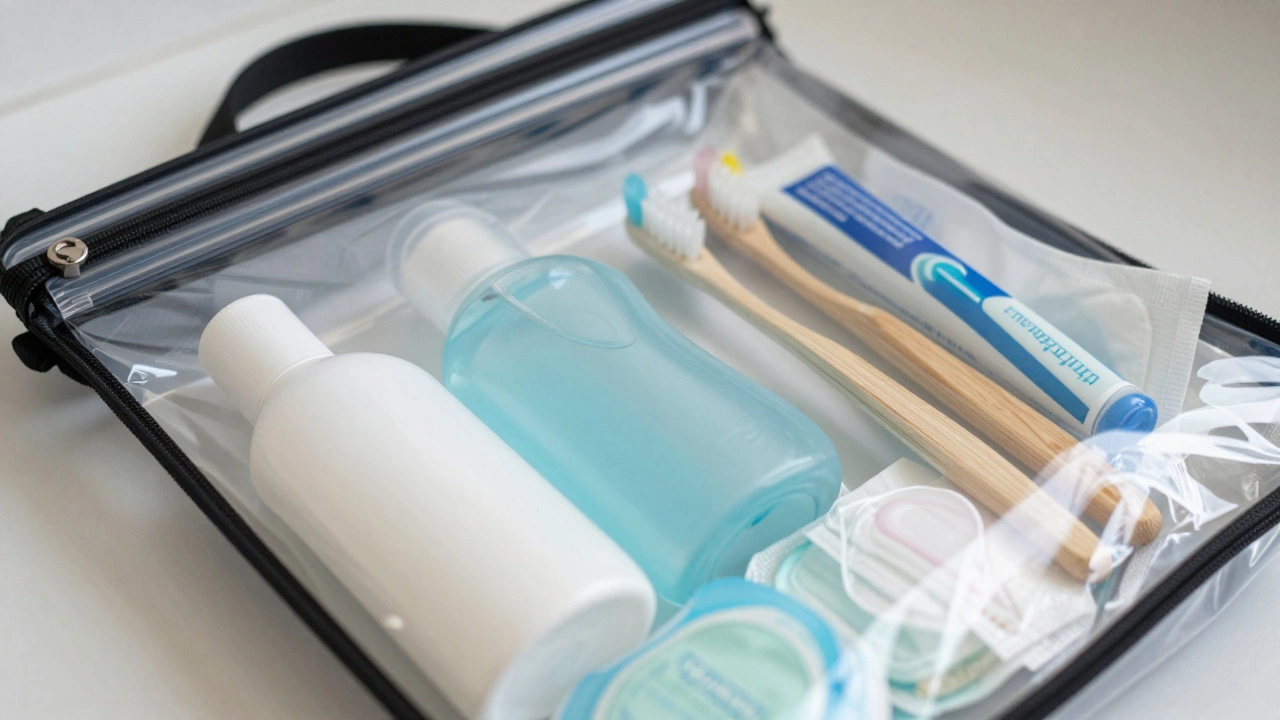
A standard hygiene kit needs to be waterproof, portable, and complete. Think about it: if you’re sleeping rough or moving between hostels, you don’t have a bathroom cabinet. You have a backpack. If your toothbrush gets wet, it’s useless. If your soap falls out of a loose bag, it’s gone. So, the most requested items are pre-assembled kits containing:
- Toiletries: Travel-sized shampoo, body wash, and deodorant (not the fancy scented ones, but basic, strong-smelling varieties that actually mask odors).
- Dental Care: Toothpaste, toothbrushes, and dental floss. Gum disease is rampant among the unhoused population due to lack of access to care, so this is critical.
- Feminine Products: Pads and tampons are consistently cited as the hardest items to find. Many women skip showering during their period because they can’t afford or find these basics.
- Razors and After-Shave: For men, shaving is often a prerequisite for job interviews. A cheap disposable razor is a ticket to employment.
Don’t just throw these into a plastic bag. Use a small, sealed dry-bag or a ziplock pouch. This simple step makes the donation ten times more valuable.
The Hidden Crisis: Socks and Underwear
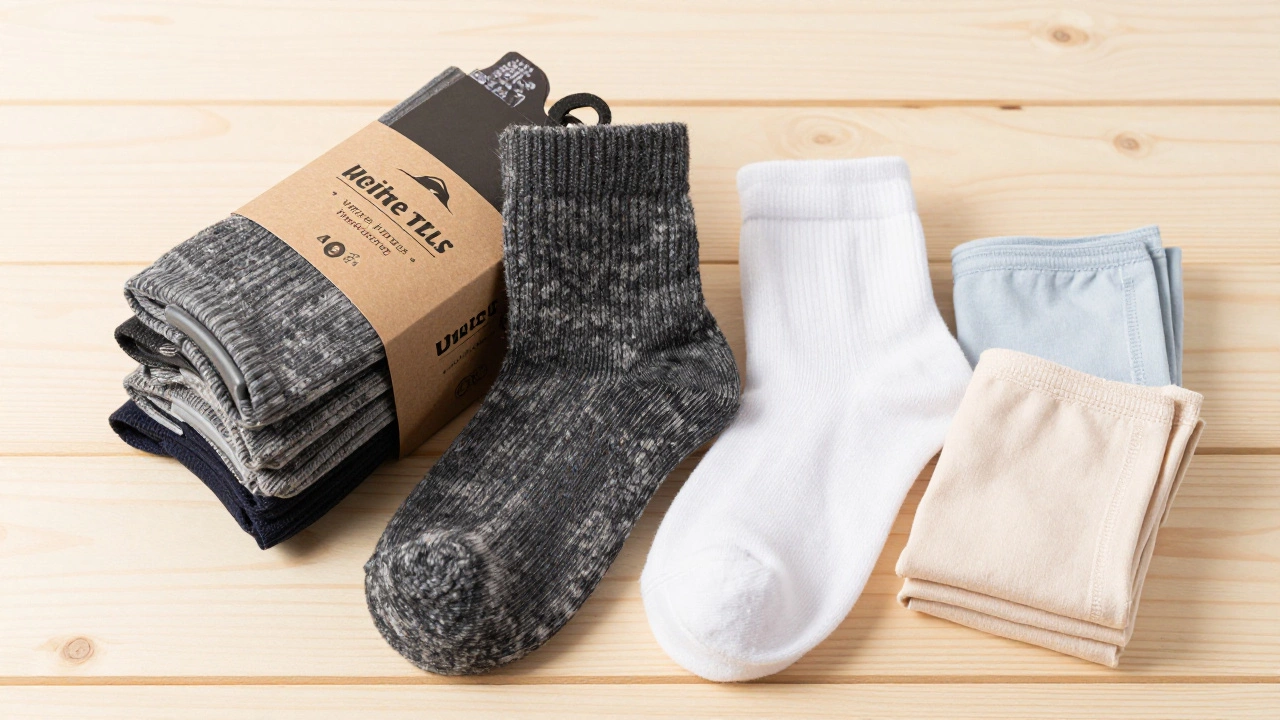
Right behind hygiene kits, the second most requested item is new socks. Not used ones. New ones. Here’s why: feet swell throughout the day. A pair of worn-out socks with thin spots causes blisters, which lead to infections, which lead to hospital visits. In the UK’s damp climate, fungal infections like athlete’s foot are nearly universal among those sleeping rough.
Shelters receive thousands of pairs of donated socks every year. Most are stained, stretched out, or have holes in the toes. Volunteers spend hours sorting through them, discarding the majority. What they need are packs of thick, wool-blend hiking socks or cotton athletic socks, still in their packaging. Brands like Smartwool or even generic supermarket brands work fine, as long as they are new.
Underwear follows the same rule. Clean, used underwear is rarely accepted due to hygiene regulations. New, comfortable briefs or boxers are always in demand. When you buy these, think about durability. Cheap synthetics fall apart after two washes. Look for natural fibers or high-quality blends.
Winter Survival: More Than Just Blankets
If you’re reading this in November, December, January, or February, the priority shifts dramatically. The most requested item becomes winter survival gear. Yes, blankets are good, but they aren’t enough. Hypothermia kills more homeless people in the UK than drugs or alcohol.
Here’s what shelters actually ask for during winter months:
| Item | Why It’s Critical | Specific Requirements |
|---|---|---|
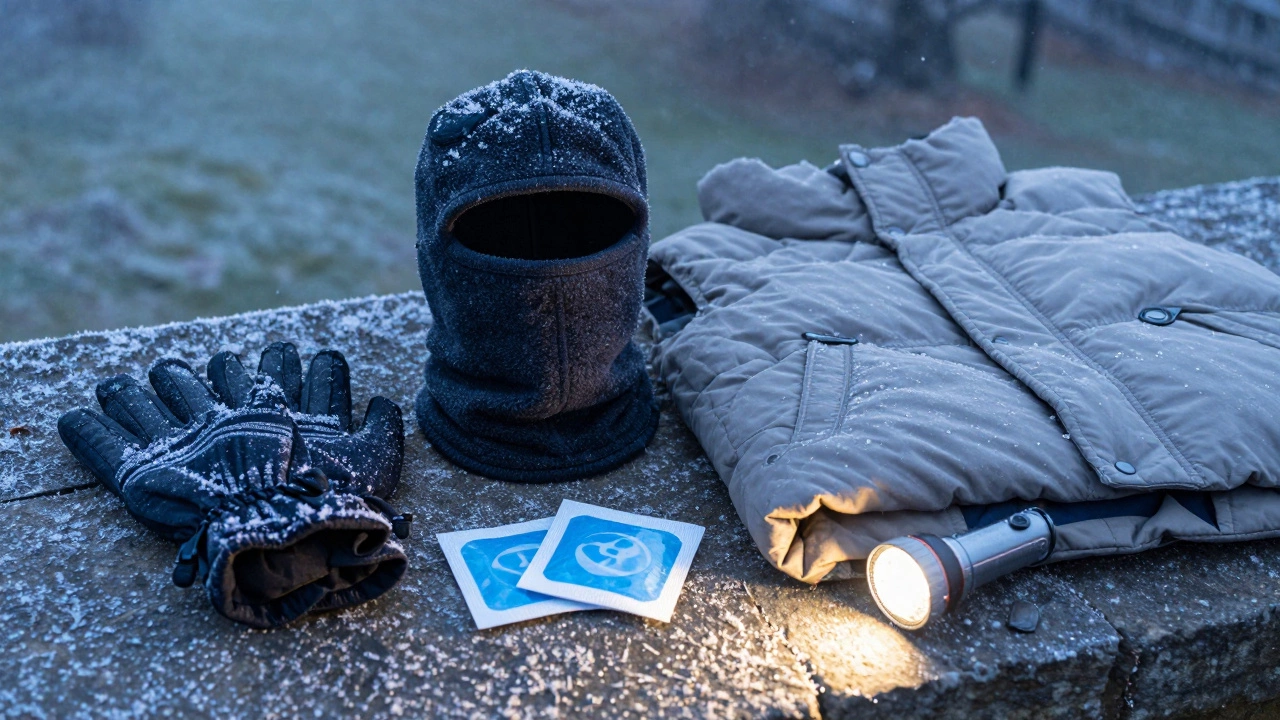
| Thermal Gloves | Prevents frostbite; allows handling of hot drinks/food | Water-resistant, touchscreen compatible |
| Balaclavas/Hats | Retains head heat; protects ears from wind | Wool or fleece, no loose strings |
| Vests (Puffer) | Keeps core warm without restricting arm movement | Lightweight, water-repellent |
| Hand Warmers | Immediate relief for numb fingers/toes | Disposable chemical packs, easy to carry |
Avoid donating heavy winter coats unless they are large sizes (XL-3XL) and in pristine condition. Coats are bulky, hard to store, and often don’t fit the person who needs them. A lightweight puffer vest is far more versatile. It can be worn under a jacket, over a shirt, or alone. It dries quickly if caught in rain. And it doesn’t take up much space in a backpack.
Food That Doesn’t Require Cooking
Most homeless individuals do not have access to refrigeration, stoves, or even clean water to open cans. Donating canned beans or rice sounds helpful, but it’s often impractical. The most requested food items are non-perishable, ready-to-eat foods that provide high energy and require no preparation.
Think about what you would eat if you had no kitchen. Energy bars, granola bars, nuts, dried fruit, and peanut butter packets are gold. They’re calorie-dense, don’t spoil, and can be eaten in minutes while walking to a job interview or waiting in line for services.
Also, consider hydration. Bottled water is heavy and expensive for shelters to buy in bulk. Donating cases of water is incredibly helpful. Even better, donate reusable water bottles with built-in filters. These allow users to safely drink from public taps, reducing waste and cost.
Documentation and Communication Tools
This is the most overlooked category. To get help, you need ID. To get an ID, you need proof of address. To get proof of address, you need housing. It’s a vicious cycle. The most requested non-material item is assistance with document retention.
Shelters need waterproof document wallets or dry bags specifically designed to hold passports, birth certificates, and NHS cards. Water damage ruins these documents, making them invalid. A £5 waterproof pouch can save someone years of bureaucratic hassle.
Additionally, prepaid phone cards or credit for mobile phones are highly valued. A working phone means access to emergency services, job applications, and contact with family. Without it, isolation deepens, and reintegration becomes nearly impossible.
What NOT to Donate
Good intentions can cause harm. Before you drop off donations, check this list of items that shelters typically cannot accept:
- Used Clothing: Unless it’s brand new with tags, most shelters refuse used clothes due to hygiene concerns and storage limits.
- Expired Food: Never donate food past its best-before date. It’s unsafe and creates liability issues.
- Broken Electronics: Old phones, laptops, or tablets that don’t work are e-waste. Shelters don’t have repair technicians.
- Alcohol or Tobacco: These are strictly prohibited in almost all shelters and outreach programs.
- Large Furniture: Mattresses, chairs, and tables take up valuable space and are difficult to distribute fairly.
Instead of guessing, call the local shelter. Ask them directly: "What is on your wish list this month?" Needs change with the seasons, funding levels, and local demographics. In Edinburgh, for example, demand for waterproof footwear spikes in autumn, while summer sees higher requests for sunscreen and insect repellent.
How to Make Your Donation Count
The most effective way to help is to organize. Gather friends or colleagues to create bulk hygiene kits. Buy socks in multipacks. Assemble winter vests with hand warmers inside. Label everything clearly. Shelters volunteer time to sort donations; make their job easier by pre-packaging items.
You can also support organizations financially. Money allows shelters to buy exactly what they need, in the quantities they need, from suppliers who offer discounts. A £10 donation might buy a full hygiene kit, three pairs of socks, and a week’s worth of breakfast bars. That’s impact you can measure.
Can I donate used clothes to homeless shelters?
Generally, no. Most modern shelters in the UK do not accept used clothing due to hygiene regulations, storage limitations, and the difficulty of ensuring proper fit. Instead, focus on new socks, underwear, and winter accessories like gloves and hats. If you have high-quality used coats, check with specific thrift stores that partner with shelters, as they may have different protocols.
What is the best food to give to homeless people?
The best food is non-perishable, ready-to-eat, and high in calories. Energy bars, nuts, dried fruit, peanut butter packets, and canned tuna or chicken (with pull-tabs) are ideal. Avoid items that require cooking, refrigeration, or utensils. Bottled water is also extremely valuable, especially in summer.
Why are hygiene kits so important for homeless individuals?
Hygiene kits restore dignity and health. Access to showers is limited, so having personal toiletries allows individuals to maintain cleanliness. Dental care prevents painful infections that can become life-threatening. Feminine products and razors are essential for daily functioning and job-seeking efforts. Pre-packaged, waterproof kits ensure these items remain usable.
Do shelters accept monetary donations instead of goods?
Yes, and often prefer them. Monetary donations allow shelters to purchase exactly what is needed in bulk, taking advantage of wholesale prices. They can also allocate funds to urgent crises, such as medical emergencies or temporary housing costs. Financial contributions provide flexibility that physical goods cannot match.
What should I include in a winter survival kit for the homeless?
A winter survival kit should include thermal gloves, a balaclava or warm hat, a lightweight puffer vest, disposable hand warmers, and thick wool socks. Waterproofing is key. Add a small flashlight with batteries and a multi-tool if possible. Avoid heavy coats unless they are large sizes and in excellent condition.