
What Do You Do in an Outreach Program? A Practical Guide to Community Impact
 Jun, 4 2026
Outreach Role Matcher
Step 1: Which description best matches your natural working style?
The Connector
I love meeting new people face-to-face and helping individuals directly.
The Organizer
I thrive on planning, logistics, and making sure systems run smoothly.
The Diplomat
I excel at building long-term relationships between groups and negotiating.
The Creator
I prefer crafting messages, analyzing data, and engaging online communities.
You’ve signed up for a community outreach program, or maybe you’re just curious about what actually happens behind the scenes. It’s easy to assume it’s all handing out flyers or sitting at a desk answering phones. The reality is much more dynamic. Outreach is the bridge between an organization and the people it serves. It’s messy, rewarding, and requires a specific set of skills that go far beyond simple volunteering.
If you are stepping into this world, you need to know exactly what your role entails. Whether you are a student building a resume, a career changer looking for purpose, or a seasoned professional seeking flexibility, understanding the day-to-day mechanics of outreach is crucial. This isn’t just about "helping out." It’s about strategic connection, resource distribution, and trust-building on a human level.
The Core Mission: Building Bridges, Not Just Walls
At its heart, outreach work involves identifying community needs and connecting them with available resources. But how does that look in practice? Imagine a local food bank. The core mission isn’t just storing cans; it’s ensuring that families who don’t know the food bank exists actually get fed. That’s where you come in.
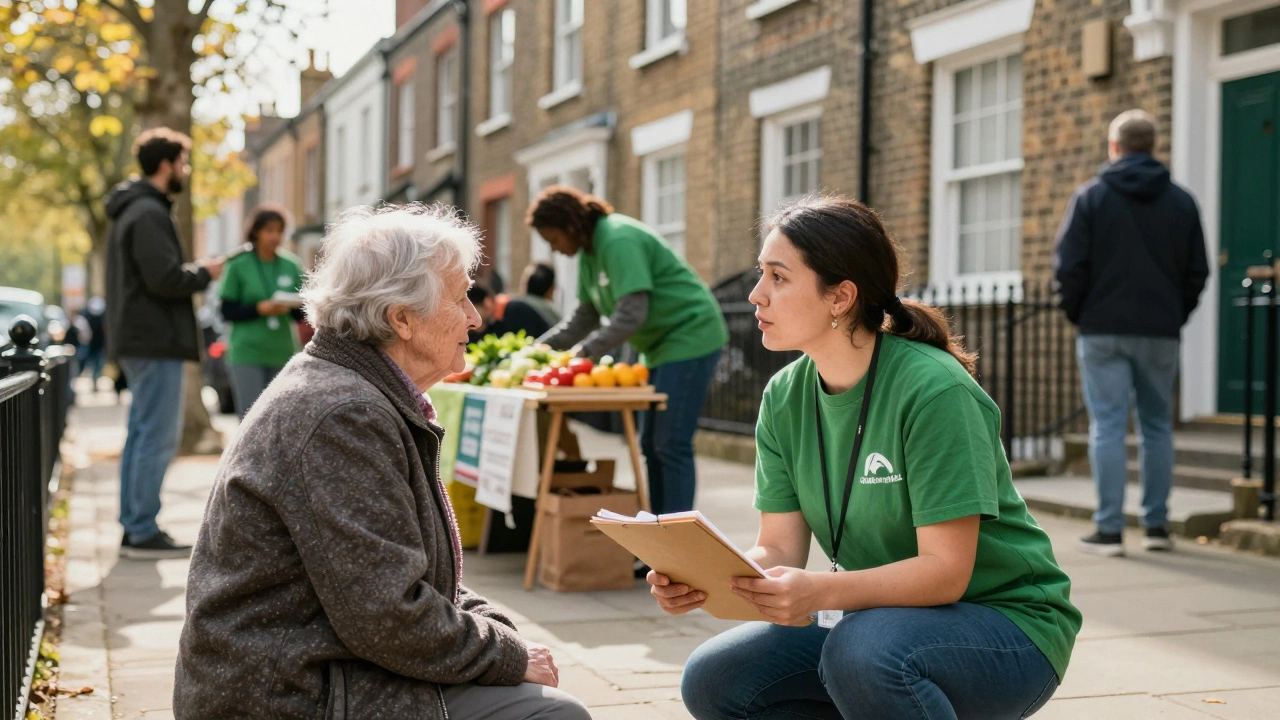
Your primary job is visibility and accessibility. You are the face of the organization. When you walk into a neighborhood center, a school, or a corporate office, you represent the values of the group you support. This means active listening. You aren’t there to lecture people on why they need help; you are there to understand their barriers. Is it transportation? Language? Stigma? Your role shifts from provider to advocate based on those answers.
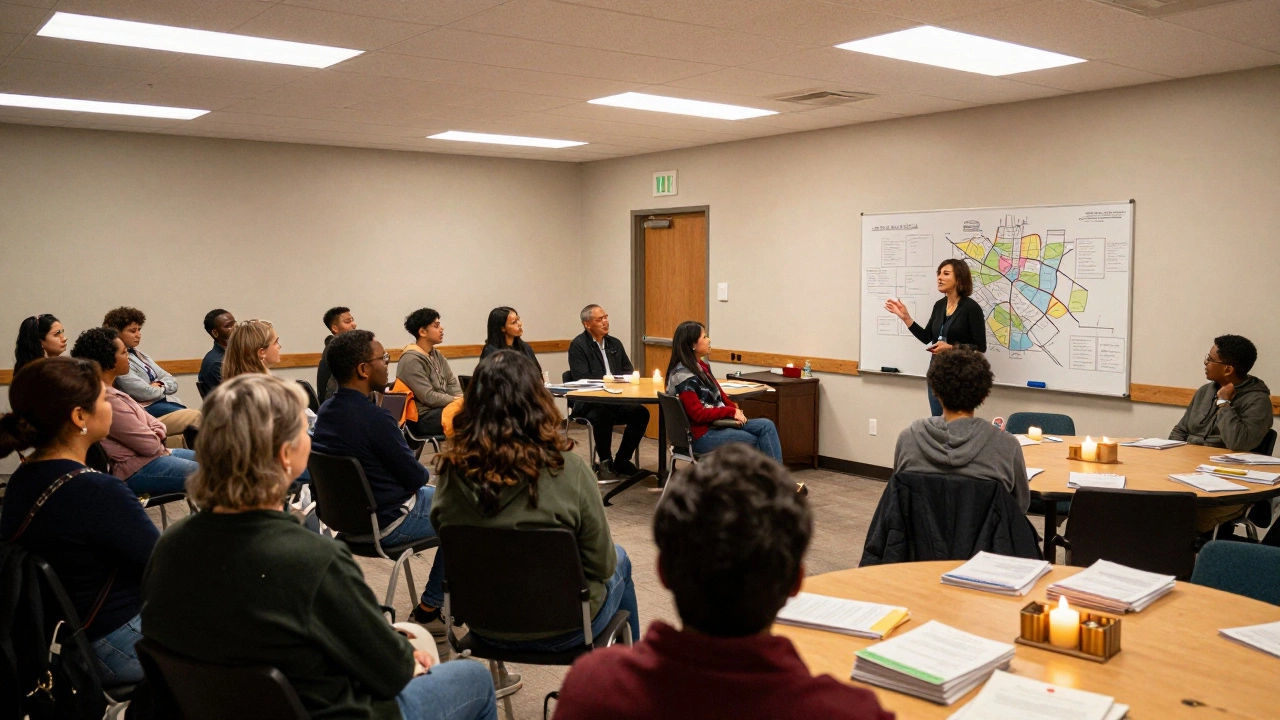
This phase of outreach is often called "engagement." It requires empathy but also strategy. You might spend hours mapping out which neighborhoods have the highest need for mental health services but the lowest access to clinics. Then, you design a campaign to fill that gap. It’s part detective work, part social work, and part marketing.
Day-to-Day Activities: What Does the Work Actually Look Like?
If you were to shadow an outreach coordinator for a week, your schedule would likely be fragmented and fast-paced. There is no single "standard" day, but several common threads appear across most programs.
- Field Engagement: This is the boots-on-the-ground work. You might visit shelters, host booths at farmers' markets, or conduct door-to-door canvassing. In Edinburgh, for instance, winter outreach teams spend significant time checking on rough sleepers in parks and alleyways, providing not just blankets but information on housing applications.
- Event Coordination: Planning workshops, town halls, or fundraising events. This involves logistics-booking venues, printing materials, managing volunteers-but also content creation. You need to ensure the event provides actual value to attendees, not just a sales pitch for the organization.
- Data Collection & Reporting: Yes, there is paperwork. Tracking who you helped, what resources were distributed, and feedback received is vital for securing future funding. If you can’t prove impact, you can’t sustain the program.
- Partnership Development: Reaching out to other organizations. Maybe a youth outreach program needs legal advice; you partner with a local law firm. These collaborations multiply your impact without increasing your budget.
One misconception is that outreach is purely emotional labor. While compassion is key, the role demands project management skills. You are often managing multiple stakeholders simultaneously: the beneficiaries, your organization’s leadership, donors, and partner agencies. Balancing these interests is where the real challenge lies.
Key Roles Within an Outreach Team
Outreach programs vary in size, from small grassroots groups to large non-profits like The Trussell Trust, which operates food banks across the UK. Depending on the scale, you might find yourself in one of several distinct roles.
| Role | Primary Focus | Key Skills Required |
|---|---|---|
| Outreach Volunteer | Direct interaction with beneficiaries; event support. | Empathy, reliability, communication. |
| Outreach Coordinator | Strategy, planning, and managing field teams. | Project management, leadership, data analysis. |
| Community Liaison | Building long-term relationships with local leaders and businesses. | Negotiation, networking, cultural competence. |
| Digital Outreach Specialist | Social media campaigns, online community management. | Content creation, analytics, SEO basics. |
Notice the shift from direct service to strategic influence as you move up the ladder. A volunteer might hand out meals; a coordinator ensures the meal program is sustainable and reaches new demographics. Both are essential, but the skill sets differ significantly. If you enjoy talking to people face-to-face, field roles suit you. If you prefer organizing systems and analyzing trends, coordination or liaison roles might be your sweet spot.
Essential Skills for Success in Outreach
You don’t need a degree in sociology to be effective, but you do need certain competencies. Organizations look for candidates who demonstrate resilience and adaptability. Here’s what actually matters on the job:
- Cultural Competence: Understanding the diverse backgrounds of the community you serve. This means recognizing privilege, avoiding jargon, and respecting different life experiences. For example, when working with refugee populations, knowing basic phrases in their native language or understanding cultural norms around gender interactions can make or break trust.
- Active Listening: Most people wait for their turn to speak. In outreach, you listen to understand problems, not to solve them immediately. Often, the solution isn’t obvious until you’ve heard the full story.
- Boundary Setting: This is critical. Burnout is rampant in the sector because workers take on too much emotional weight. Successful outreach professionals know how to care deeply without absorbing everyone else’s trauma. They know when to refer someone to a specialist rather than trying to fix everything themselves.
- Adaptability: Plans change constantly. A venue cancels, a donor pulls out, or a crisis emerges (like a sudden surge in homelessness during a cold snap). You need to pivot quickly without losing momentum.
Technical skills are increasingly important too. Proficiency in CRM software (like Salesforce or HubSpot) helps track beneficiary data securely. Basic graphic design skills can help create compelling flyers and social media posts. These hard skills complement the soft skills of empathy and communication.
Challenges and Pitfalls to Avoid
It’s not all feel-good moments. Outreach work comes with significant hurdles. One major challenge is "compassion fatigue." After months of hearing difficult stories, you may feel numb or cynical. This is normal, but it needs to be managed through self-care and peer support.
Another pitfall is assuming you know what the community needs. This is known as "savior complex," and it undermines trust. Always involve community members in the design of programs. Ask them: "What do you need?" rather than deciding for them. For instance, a youth center might assume teenagers want coding classes, but surveys reveal they actually want safe spaces to hang out and mentorship in job interviews. Listening first prevents wasted resources and builds genuine rapport.
Funding instability is another constant stressor. Many outreach programs operate on short-term grants. This means your role might include writing proposals or attending fundraising events. You must learn to articulate the value of your work in terms donors understand-metrics, outcomes, and stories-not just good intentions.

Measuring Impact: How Do You Know It’s Working?
In the past, outreach success was measured by vague notions like "raising awareness." Today, data drives decisions. You’ll likely be asked to track Key Performance Indicators (KPIs). These might include:
- Reach: Number of unique individuals contacted or served.
- Engagement: Attendance rates at events, response rates to campaigns.
- Conversion: Percentage of people who accessed further services (e.g., applied for housing, enrolled in education).
- Satisfaction: Feedback scores from participants.
For example, if your goal is to reduce food insecurity in a specific postcode, you wouldn’t just count food parcels given. You’d track how many households reported improved dietary diversity three months later. Qualitative data-stories and testimonials-is equally powerful. Combining numbers with narratives creates a compelling case for continued support.
Regular evaluation allows you to tweak strategies. If a particular outreach method isn’t yielding results, you drop it and try something else. This iterative approach ensures efficiency and maximizes impact.
Getting Started: First Steps for Newcomers
If you’re ready to dive in, start small. Contact local charities, community centers, or advocacy groups in your area. Many offer volunteer orientations or internships. Look for roles that match your existing skills-if you’re good at writing, offer to help with newsletters. If you’re organized, assist with event logistics.
Network with current practitioners. Attend community meetings or webinars hosted by organizations like NCVO (National Council for Voluntary Organisations). Learn about the landscape before committing to a long-term role. Remember, outreach is a marathon, not a sprint. Building trust takes time, so patience is your most valuable asset.
Finally, reflect on your motivations. Are you doing this for personal growth, career advancement, or pure altruism? All are valid, but clarity helps you choose the right organization and role. Align your values with the mission of the group you join, and you’ll find the work sustainable and deeply fulfilling.
Do I need a degree to work in community outreach?
Not necessarily. While degrees in social work, sociology, or public administration can help, many employers prioritize experience and soft skills. Demonstrated commitment through volunteering, strong communication abilities, and cultural competence often outweigh formal qualifications, especially for entry-level roles.
Is community outreach paid work?
It depends on the role. Volunteer positions are unpaid, though some organizations cover expenses like travel or meals. Paid roles such as Outreach Coordinators, Community Managers, or Social Workers exist within NGOs, government agencies, and private sector CSR (Corporate Social Responsibility) departments. Salaries vary widely based on location and organization size.
How do I avoid burnout in outreach work?
Set clear boundaries between work and personal life. Practice self-care regularly, seek supervision or debriefing sessions with colleagues, and remember that you cannot solve every problem alone. Referring clients to specialists is part of the job, not a failure. Joining support groups for outreach workers can also provide valuable coping strategies.
What are the best ways to measure outreach success?
Combine quantitative metrics (number of people reached, conversion rates) with qualitative feedback (surveys, testimonials). Track long-term outcomes rather than just immediate outputs. For example, instead of just counting workshop attendees, measure how many participants secured jobs six months later. Regularly review data to adjust strategies.
Can corporate employees participate in outreach programs?
Yes, many companies have Employee Volunteering Programs (EVPs) or CSR initiatives that allow staff to engage in community outreach during work hours. This benefits both the employee (skill development, well-being) and the company (brand reputation, team cohesion). Check with your HR department for approved partners and opportunities.