
What Charity Helps the Earth? Top Environmental Nonprofits to Support
 Oct, 19 2026
Environmental Charity Matchmaker
Primary Focus
Key Strategy
Why this fits you:
Select your preferences on the left to discover which environmental organization aligns with your values.
You want to help the planet, but where does your money actually go? With thousands of nonprofits claiming to save the environment, it’s hard to know which ones are doing real work versus just printing glossy brochures. You’re not alone in feeling overwhelmed. The good news is that a handful of environmental charities have proven track records, transparent finances, and measurable impact on everything from rainforests to ocean plastic.
This guide cuts through the noise. We’ll look at who these groups are, what they specifically do, and how you can decide which one fits your values. Whether you care more about saving polar bears or planting trees in your local community, there’s a right fit for you.
The Big Players: Global Conservation Giants
When people think of helping the earth, names like World Wildlife Fund (WWF) often come up first. Founded in 1961, WWF works in over 100 countries. Their focus is broad but deep: protecting endangered species and preserving habitats. If you donate here, you’re funding anti-poaching units in Africa and habitat restoration in Southeast Asia.
Another heavyweight is The Nature Conservancy. Unlike some groups that fight corporations directly, this organization buys land to protect it. They’ve protected nearly 125 million acres worldwide. It’s a pragmatic approach-owning the dirt means no one else can pave it over.
These large organizations have massive overheads, but they also have the power to influence international policy. If you want systemic change, these are solid bets.
Fighting Climate Change Directly
Conservation is great, but if the climate keeps heating up, those preserved forests might burn down anyway. That’s where climate-focused charities step in. 350.org is a global grassroots movement focused solely on solving the climate crisis. They don’t buy land; they organize protests, lobby governments, and push for renewable energy policies.
Then there’s Union of Concerned Scientists. This group leans heavily on science. They publish research, explain complex environmental issues in plain English, and advocate for evidence-based policy. If you trust data more than activism, this might be your lane.
| Organization | Primary Focus | Key Strategy | Best For Donors Who... |
|---|---|---|---|
| World Wildlife Fund (WWF) | Biodiversity & Species | Habitat protection & Anti-poaching | Love animals and wild places |
| The Nature Conservancy | Land & Water Protection | Buying land & Science-based management | Prefer tangible, physical results |
| 350.org | Climate Policy | Grassroots activism & Lobbying | Want to drive political change |
| Ocean Conservancy | Ocean Health | Cleanup events & Plastic pollution advocacy | Care about marine life and beaches |

Protecting Our Oceans
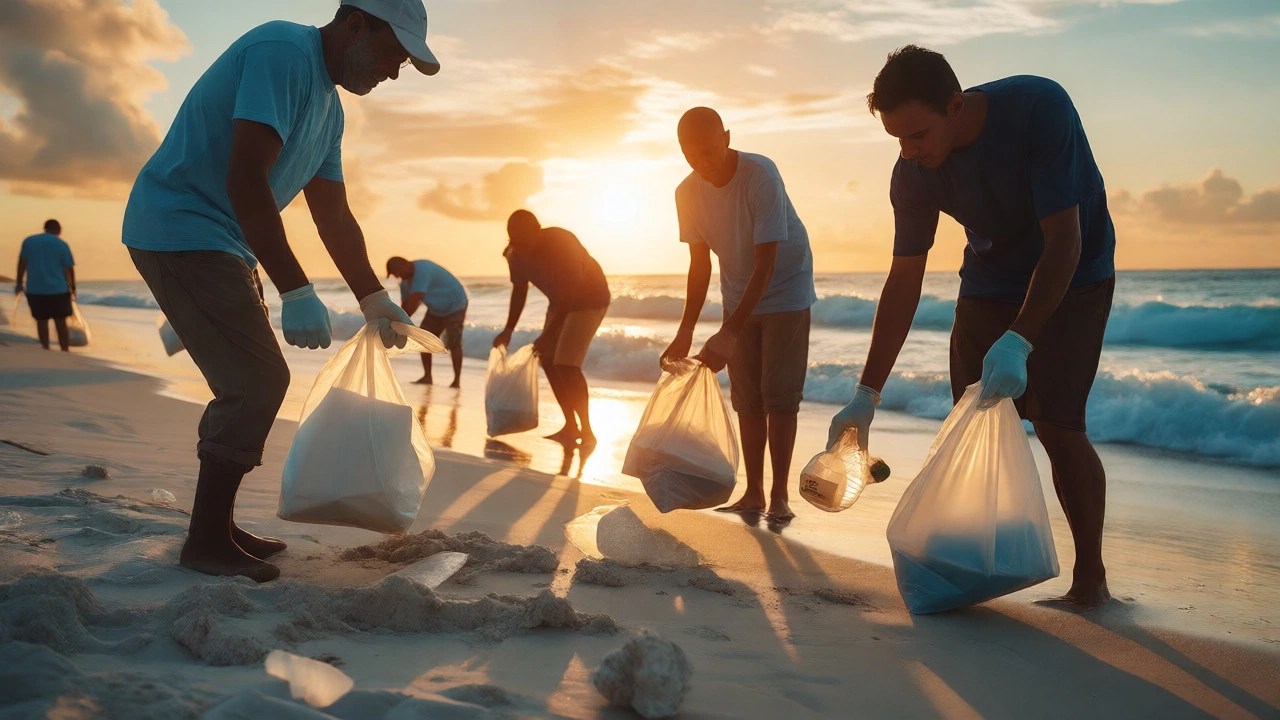
Plastic waste is visible, urgent, and depressing. Ocean Conservancy tackles this head-on. They’re famous for organizing the International Coastal Cleanup, where millions of volunteers pick up trash every year. But they also work on legislation to reduce single-use plastics.
If you live near the coast, donating here feels personal. You see the difference. Your money funds cleanup crews and legal teams fighting oil spills. It’s immediate gratification with long-term legislative goals.
Reforestation and Carbon Offsetting
Trees absorb carbon. Simple math. Charities like One Tree Planted make it easy to fund reforestation projects globally. They partner with local communities to plant native species, ensuring the trees survive long after the donation check clears.
Be careful here, though. Not all tree-planting initiatives are equal. Monocultures (planting just one type of tree) aren’t as healthy as diverse forests. Look for charities that prioritize biodiversity alongside carbon capture. Eden Reforestation Projects, for example, hires local workers to plant trees, creating jobs while restoring ecosystems.

How to Choose the Right Charity for You
Feeling stuck? Here’s a quick way to narrow it down:
- Pick your passion: Do you care more about animals, air quality, water, or forests? Start there.
- Check transparency: Use sites like Charity Navigator or GuideStar. Look for high scores in financial health and accountability.
- Decide on scope: Do you want global impact or local change? A national park fund helps locally; Greenpeace works internationally.
- Consider recurring gifts: Monthly donations let charities plan better than one-off checks. Even $10/month adds up.
Don’t fall into the trap of thinking small donations don’t matter. Collective giving drives major campaigns. And remember, volunteering time is another form of support many of these groups desperately need.
Common Pitfalls to Avoid
Watch out for "greenwashing." Some organizations use eco-friendly branding but spend most of their budget on marketing rather than programs. Always check the percentage of funds going to actual program services versus administrative costs. Ideally, you want 75% or more going to direct work.
Also, avoid duplicate giving. Many donors send money to three similar wildlife groups without realizing they’re funding overlapping projects. Consolidating your support can sometimes create more leverage.
Which environmental charity has the lowest overhead?
Smaller, specialized nonprofits often have lower overhead than giants like WWF. However, low overhead doesn’t always mean high efficiency. Check third-party evaluators like Charity Navigator for accurate, current ratios on administrative spending versus program spending.
Is it better to donate to local or global environmental charities?
Both are valuable. Local charities offer visible, immediate impact and strengthen community ties. Global charities tackle systemic issues like climate change and biodiversity loss that require cross-border cooperation. Consider splitting your donation if you’re torn.
Do environmental charities accept non-monetary donations?
Yes, many accept stock transfers, legacy gifts, and even property. Volunteering is also crucial. Organizations like Ocean Conservancy rely heavily on volunteer hours for cleanups. Check each charity’s website for specific guidelines on non-cash contributions.
How can I verify if a charity is legitimate?
Look for 501(c)(3) status in the US (or equivalent tax-exempt status elsewhere). Review their annual reports and Form 990 filings. Independent watchdogs like GuideStar provide detailed breakdowns of finances and governance structures.
What is the most effective way to help the environment financially?
Research suggests supporting policy-change organizations often yields higher long-term impact than direct aid. Groups that lobby for carbon pricing or plastic bans can affect billions of dollars in economic behavior, far exceeding the value of individual tree planting.