
What Charity Feeds the Most People? Top Global Food Relief Organizations
 Nov, 24 2025
Meal Impact Calculator
Calculate Your Impact
Why This Matters
Every dollar makes a difference. Reputable charities prioritize efficiency and transparency, ensuring more of your donation reaches those in need.
Top charities like the World Food Programme spend 88% of funds directly on programs. Feeding America spends 91%. This calculator shows how your donation translates to real impact.
Your Donation Will Help:
When you think about hunger, it’s easy to picture a single person in line at a food bank. But behind that image is a massive global machine - one that feeds hundreds of millions every year. So which charity feeds the most people? The answer isn’t just about size. It’s about reach, efficiency, and how deeply they’re embedded in the communities they serve.
World Food Programme: The Unmatched Scale
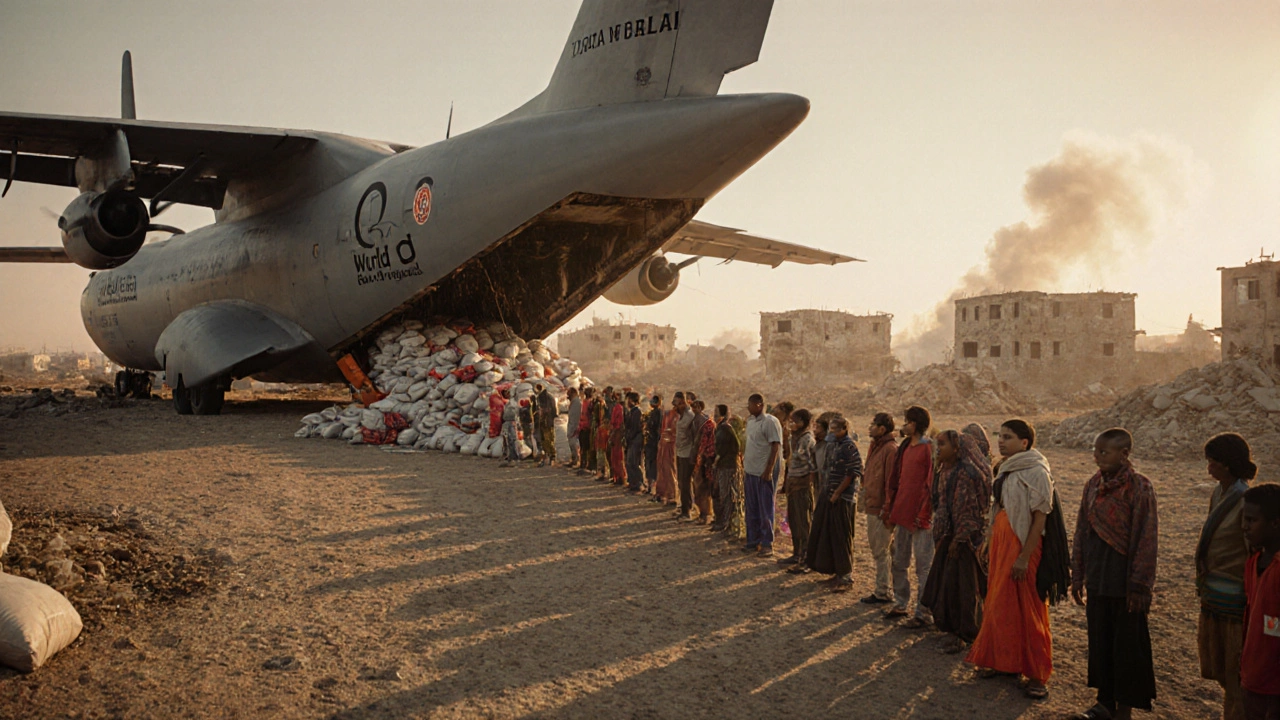
The World Food Programme (WFP) feeds more people than any other single organization on Earth. In 2024, they served 152 million people across 120 countries. That’s more than the entire population of Japan. They don’t just hand out meals - they run school feeding programs, emergency airlifts, and local food purchases that support farmers while feeding the hungry.
WFP’s operations are built for crisis. When earthquakes hit Turkey in 2023, they delivered hot meals within 48 hours. In Yemen, where war has pushed 20 million people to the brink of starvation, WFP provides monthly food rations to nearly 13 million people. Their supply chain moves food by truck, plane, and boat - even through active conflict zones.
What makes WFP different isn’t just the numbers. It’s how they measure success. They track not just meals delivered, but whether children gain weight, whether women can send their kids to school, and whether local markets recover after a crisis. That’s why they’re the only humanitarian group ever awarded the Nobel Peace Prize.
Feeding America: The Largest in the U.S.
If you’re asking this question from the United States, the answer shifts. Here, Feeding America is the biggest network. They operate a chain of 200 food banks and 60,000 food pantries, soup kitchens, and shelters. In 2024, they distributed 6.6 billion meals - that’s nearly 18 million meals per day.
What’s surprising is how much of that food comes from grocery stores, farms, and manufacturers that would otherwise throw it away. Feeding America doesn’t just collect surplus - they’ve built a logistics system that turns near-expired bread into frozen meals, and bruised fruit into juice. They work with companies like Walmart, Coca-Cola, and Tyson Foods to rescue food before it hits landfills.
They also focus on nutrition. A child getting a bag of chips isn’t enough. So they prioritize fresh produce, dairy, and protein. In 2024, over 40% of their distributed food was perishable - fruits, vegetables, meat, and eggs. That’s a big shift from the canned goods of the past.
The Salvation Army: Consistent Reach, Local Impact
The Salvation Army feeds 30 million people annually worldwide. They’re not the biggest by volume, but they’re one of the most visible. You see them outside grocery stores collecting cans. You see their mobile kitchens rolling into disaster zones. And in cities like New York, London, and Sydney, they run daily meal programs for people sleeping on the streets.
What sets them apart is their dual model: emergency meals and long-term support. Someone who gets a hot lunch might also be connected to job training, addiction counseling, or housing help. In the UK alone, they served over 1.2 million meals in 2024 - not just in London, but in small towns where food banks are the only safety net.
They don’t rely on donations alone. Their thrift stores generate over $1 billion a year in revenue, which directly funds their food programs. That’s a rare blend of charity and business that keeps them running without constant fundraising appeals.

Food for the Poor: Focused on the Poorest Nations
Based in Florida, Food for the Poor delivered over 1.2 billion meals to families in Latin America and the Caribbean in 2024. Their work is concentrated in places where government systems are weak - Haiti, Jamaica, Honduras, and Nicaragua.
They don’t just send food. They send pigs, chickens, seeds, and tools. In rural Haiti, they’ve helped communities grow their own food by building irrigation systems and teaching farming techniques. One family that received a pig and training now sells pork at market - and feeds their children daily.
They also run milk programs for children under five. In countries where malnutrition stunts growth, a daily glass of fortified milk can mean the difference between a healthy child and a lifelong disability. That’s the kind of targeted help that changes generations.
Why Numbers Alone Don’t Tell the Whole Story
It’s tempting to rank charities by how many meals they hand out. But that’s like judging a hospital by how many bandages it uses. The real question is: Who are they helping, and for how long?
WFP feeds people during war and famine - temporary, life-saving help. Feeding America tackles chronic food insecurity in a wealthy nation where 1 in 8 people still don’t know where their next meal is coming from. The Salvation Army meets people where they are - on the street, in crisis, and sometimes, on the path to recovery.
Some organizations focus on dignity. Others on speed. Some on sustainability. The best charities combine all three. For example, WFP buys food from local farmers in Africa instead of shipping it from the U.S. That feeds people faster, supports local economies, and reduces carbon emissions.

What You Can Do Beyond Donating
Donating money is important - but it’s not the only way to help. Volunteering at a local food bank, organizing a food drive at your workplace, or even just talking to your neighbors about food insecurity can make a difference.
Many charities need help with sorting, packing, and delivery. You don’t need to be a professional. You just need to show up. In Edinburgh, groups like the Edinburgh Food Project rely on volunteers to sort donations and deliver meals to elderly residents who can’t leave their homes.
And if you’re thinking about supporting one of these big organizations, look at their transparency reports. The best ones publish exactly how every dollar is spent. WFP, for example, spends 88% of every dollar on programs. The rest goes to fundraising and administration - well below the 20% industry benchmark.
Who’s Really Feeding the Most?
If you’re asking who feeds the most people globally, the answer is clear: World Food Programme. They reach more people in more places than any other single organization.
But if you’re asking who makes the biggest difference in your community, the answer might be your local food bank, church kitchen, or neighborhood group. The scale of global hunger is overwhelming. But the solution isn’t just about giants. It’s about millions of small actions - each one feeding someone, somewhere, today.
There’s no single hero in this fight. There’s a network. And you’re part of it.
Is the World Food Programme the largest charity in the world?
Yes, by the number of people fed. In 2024, the World Food Programme served 152 million people across 120 countries. No other single organization comes close. It’s a UN agency funded by governments and private donors, and it’s the world’s largest humanitarian organization focused on hunger.
How does Feeding America get so much food?
Feeding America gets most of its food through donations from grocery stores, farms, manufacturers, and government surplus programs. They rescue food that would otherwise be thrown away - like slightly dented cans, overstocked produce, or near-expiry items. Their network of 200 food banks and 60,000 distribution points ensures that food moves quickly from donors to people in need.
Do food charities only help people in the U.S.?
No. While some organizations like Feeding America focus mainly on the U.S., others like the World Food Programme and Food for the Poor operate globally. The Salvation Army works in over 130 countries. Even local charities often partner with international groups to send supplies overseas during crises.
How much of my donation actually goes to feeding people?
Top-rated charities like the World Food Programme spend about 88% of every dollar on direct aid. Feeding America spends around 91%. Reputable organizations publish annual reports showing exactly how funds are used. Avoid charities that spend more than 20% on fundraising and administration - that’s the standard benchmark for efficiency.
Can I volunteer to help feed people without donating money?
Absolutely. Most food banks and charities rely on volunteers to sort donations, pack boxes, and deliver meals. You can help by organizing a food drive at your school or workplace, or by spending a few hours a month packing groceries. In cities like Edinburgh, groups like the Edinburgh Food Project welcome volunteers for everything from driving delivery vans to cooking meals.