
What Are the Roles in an Outreach Program? A Complete Guide
 May, 24 2026
Outreach Team Role Explorer
Explore the key roles within a community outreach program. Click on any role to see detailed responsibilities and required skills.
Select a Role
- Program Director
- Outreach Coordinator
- Community Liaison
- Field Officer
- Volunteer Manager
- Communications Specialist
- Grant Writer
- Data Analyst
Key Responsibilities
Essential Skills
Select a role from the list to view details.
You’ve secured the funding. You have a clear mission statement. But when you look at your team, who actually does what? In community outreach programs, ambiguity is the enemy of impact. If everyone thinks someone else is handling the local council, or if no one owns the data tracking, the project stalls before it starts.
Understanding the specific roles within an outreach initiative isn’t just about HR titles; it’s about mapping out the workflow of human connection. Whether you are running a small neighborhood cleanup or a large-scale educational campaign, knowing who holds which baton makes the difference between chaos and cohesion.
The Strategic Core: Leadership and Direction
Every successful outreach effort needs a north star. This usually comes from two distinct roles that operate at different levels of the organization.
The Program Director (or Executive Director) sets the vision. They don’t typically knock on doors or post on social media. Instead, they align the outreach goals with the broader organizational strategy. For example, if a charity aims to reduce youth unemployment, the Director ensures the outreach program focuses on job skills training rather than just general mentorship. They handle high-level stakeholder relationships, such as negotiating with city councils or major corporate sponsors.
Below them sits the Outreach Coordinator. This is often the most critical role for day-to-day operations. The Coordinator translates the Director’s vision into actionable plans. They create timelines, manage budgets for specific events, and ensure compliance with local regulations. Think of them as the project manager of the human element. Without a strong Coordinator, even the best ideas remain theoretical.
- Program Director: Focuses on long-term strategy, high-level partnerships, and organizational alignment.
- Outreach Coordinator: Manages daily logistics, schedules, budget tracking, and operational execution.
The Frontline: Community Liaisons and Field Staff
If the leadership builds the house, the frontline staff invites people inside. These roles require high emotional intelligence and cultural competence. They are the face of the organization.
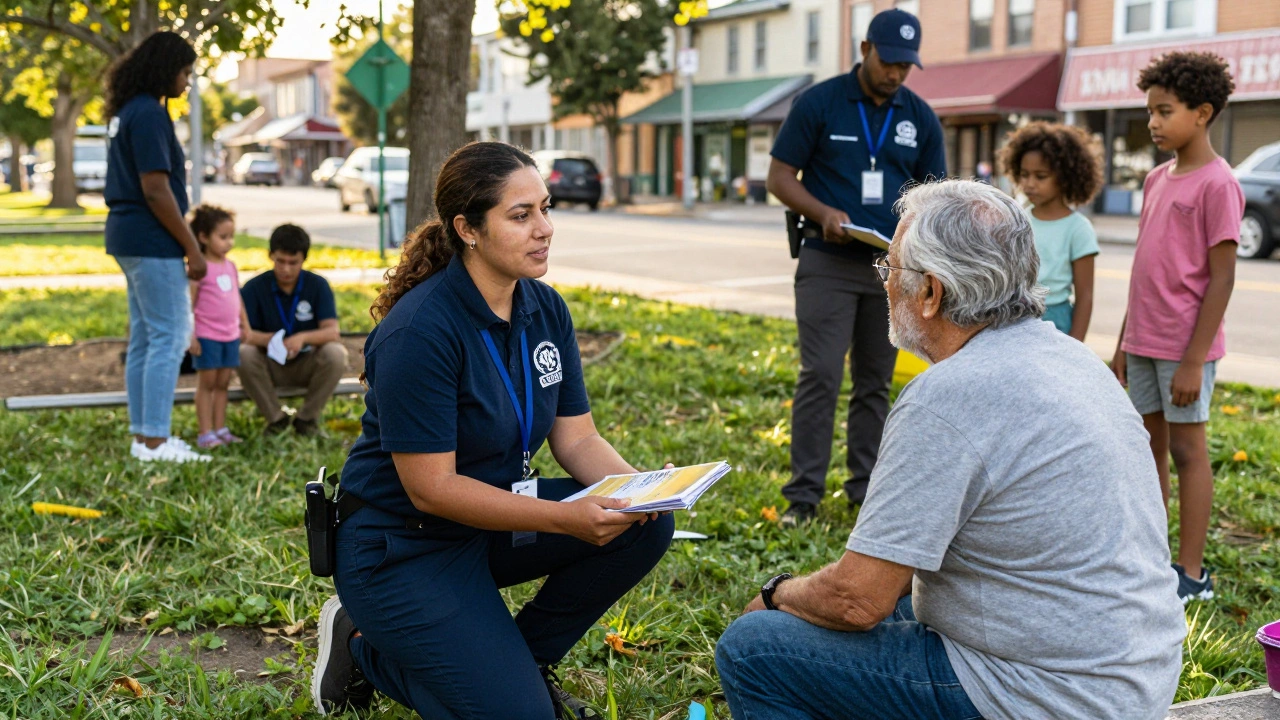
A Community Liaison acts as the bridge between the organization and the target demographic. Their primary job is trust-building. They spend hours in community centers, places of worship, and local businesses, listening more than talking. They identify key influencers-like local teachers or religious leaders-who can vouch for the program. A good Liaison knows that you cannot impose a solution; you must co-create it with the community.
Working alongside them are Field Officers or Outreach Workers. These individuals execute the direct contact. They might conduct home visits, run workshops, or distribute resources. Unlike the Liaison, who works on relationships, the Field Officer focuses on delivery and immediate assistance. For instance, in a health outreach program, the Liaison negotiates access to a housing complex, while the Field Officer administers blood pressure screenings and provides educational pamphlets.
| Role | Primary Focus | Key Skill | Typical Output |
|---|---|---|---|
| Community Liaison | Relationship Building | Cultural Competence | Partnership Agreements |
| Field Officer | Direct Service Delivery | Active Listening | Service Logs & Feedback |
The Support System: Volunteers and Interns
No outreach program runs solely on paid staff. Volunteers provide the manpower needed to scale efforts, but they require dedicated management.
The Volunteer Manager is responsible for recruiting, training, and retaining this workforce. Their role is often misunderstood as simply “signing people up.” In reality, it involves rigorous vetting, background checks, and creating engaging experiences so volunteers don’t burn out. They design training modules that ensure every volunteer represents the brand consistently.
Interns often fill hybrid roles. They might assist with research, help organize events, or draft content. While they learn on the job, they also bring fresh perspectives and digital native skills that older staff might lack. Assigning interns to shadow Community Liaisons is a common practice, allowing them to see the nuances of field work firsthand.
The Engine Room: Marketing and Communications
You can have the best service in the world, but if no one knows about it, the outreach fails. This is where specialized communication roles come in.
The Communications Specialist crafts the narrative. They write press releases, manage social media channels, and produce newsletters. Their goal is to raise awareness and attract participants. They need to be able to translate complex program outcomes into simple, compelling stories that resonate with both donors and beneficiaries.
In larger organizations, a Graphic Designer or Digital Media Producer works closely with the Comms Specialist. They create visual assets-flyers, infographics, videos-that make the outreach material accessible and engaging. Visual consistency builds brand recognition, which is crucial for trust in community settings.
The Fuel: Fundraising and Grants
Outreach programs rarely generate their own revenue. They rely heavily on external funding, making financial roles essential.
A Grant Writer is indispensable. They research funding opportunities, write proposals, and manage reporting requirements. This role requires precision and patience. A single error in a grant application can mean losing thousands of dollars. They work closely with the Program Director to ensure the proposed activities match the funder’s priorities.
The Fundraiser or Development Officer focuses on individual donors and corporate sponsorships. They host events, send appeals, and maintain donor databases. While the Grant Writer chases institutional money, the Fundraiser cultivates personal relationships with those who want to support the cause financially.
The Compass: Monitoring and Evaluation
How do you know if your outreach is working? You measure it. This role is often overlooked but is vital for sustainability.
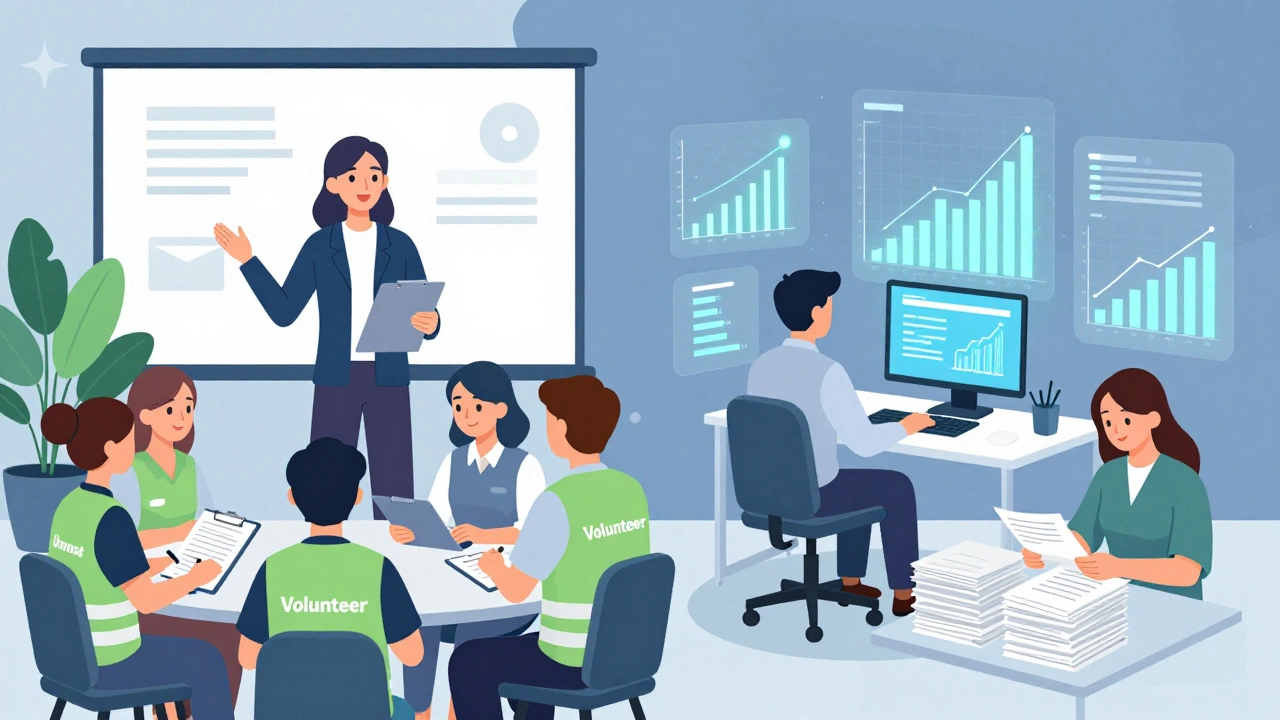
The Data Analyst or M&E (Monitoring and Evaluation) Officer collects and interprets data. They design surveys, track attendance, and analyze feedback. Their reports tell the story of impact. Did the literacy program actually improve reading scores? Did the food bank distribution reduce household stress? The Data Analyst provides the evidence needed to secure future funding and improve program design.
This role also ensures ethical standards are met. They monitor whether data privacy laws are followed and whether the program is reaching the intended demographic without bias.
Building Your Team: Practical Steps
Not every organization has the budget for all these roles. Here is how to adapt based on your size:
- Start Small: Combine roles. The Program Director might also act as the Grant Writer initially. The Outreach Coordinator can manage volunteers.
- Leverage Volunteers: Use skilled volunteers for marketing and data entry tasks under the supervision of paid staff.
- Hire for Flexibility: Look for candidates who are willing to wear multiple hats. An ideal early-stage hire might be part Coordinator, part Liaison.
- Clarify Boundaries: Even in small teams, write down who is responsible for what. Ambiguity leads to duplicated work or missed tasks.
Common Pitfalls to Avoid
Many outreach programs fail not because of bad ideas, but because of poor role definition. Avoid these common mistakes:
- Overloading the Coordinator: Don’t let the Coordinator become the catch-all for every problem. Give them support in admin and logistics.
- Neglecting Volunteer Management: Treating volunteers as free labor without proper training leads to high turnover and inconsistent service quality.
- Ignoring Data Collection: If you aren’t measuring success, you can’t prove it. Make data collection a shared responsibility from day one.
By clearly defining these roles, you create a structure where each person knows their value and their direction. This clarity empowers your team to focus on what really matters: connecting with and serving your community effectively.
What is the difference between a Community Liaison and an Outreach Coordinator?
An Outreach Coordinator manages the overall operations, timeline, and logistics of the program. A Community Liaison focuses specifically on building relationships and trust with the target community members and local stakeholders. The Coordinator plans the event; the Liaison ensures the community wants to attend.
Do I need a dedicated Grant Writer for a small outreach program?
For very small programs, the Executive Director or Program Manager can often handle grant writing. However, as funding needs grow, hiring a specialist or consulting a freelance Grant Writer becomes crucial to maximize success rates and ensure compliance with funder requirements.
How important is the role of Data Analyst in outreach?
Extremely important. Data proves impact to funders and helps improve program effectiveness. Without a Data Analyst or M&E Officer, you risk operating blindly, unable to demonstrate results or adjust strategies based on real-world feedback.
Can volunteers replace paid staff in outreach roles?
Volunteers can supplement paid staff, especially for tasks like event setup, data entry, or peer mentoring. However, core strategic, managerial, and compliance-related roles should be held by paid professionals to ensure accountability, consistency, and legal protection.
What skills are most important for a Community Liaison?
Key skills include active listening, cultural competence, empathy, conflict resolution, and strong networking abilities. They must be able to build rapport quickly and represent the organization with integrity and respect.