
What Are the Five Steps of Community Engagement?
 Mar, 5 2026
Community Engagement Quiz
How Well Do You Know the Engagement Steps?
Test your knowledge of the five-step community engagement framework from the article.
Question 1: Listening First
What's the key action in Step 1: Listen Before You Speak?
Question 2: Co-Designing
What does "co-design" mean in Step 2?
Question 3: Communication
What's the key practice in Step 3: Communicate Clearly?
Question 4: Participation Opportunities
What does Step 4 emphasize about participation?
Question 5: Celebration
Why is celebrating important in Step 5?
Your Score
Community engagement isn’t about handing out flyers or hosting a one-day event. It’s about building real, lasting relationships with the people who live, work, and raise families in your neighborhood. Too often, organizations think they’re engaging the community when they’re just broadcasting messages. True engagement means listening first, then acting - together. Here are the five practical, proven steps that turn passive observers into active partners.
Step 1: Listen Before You Speak
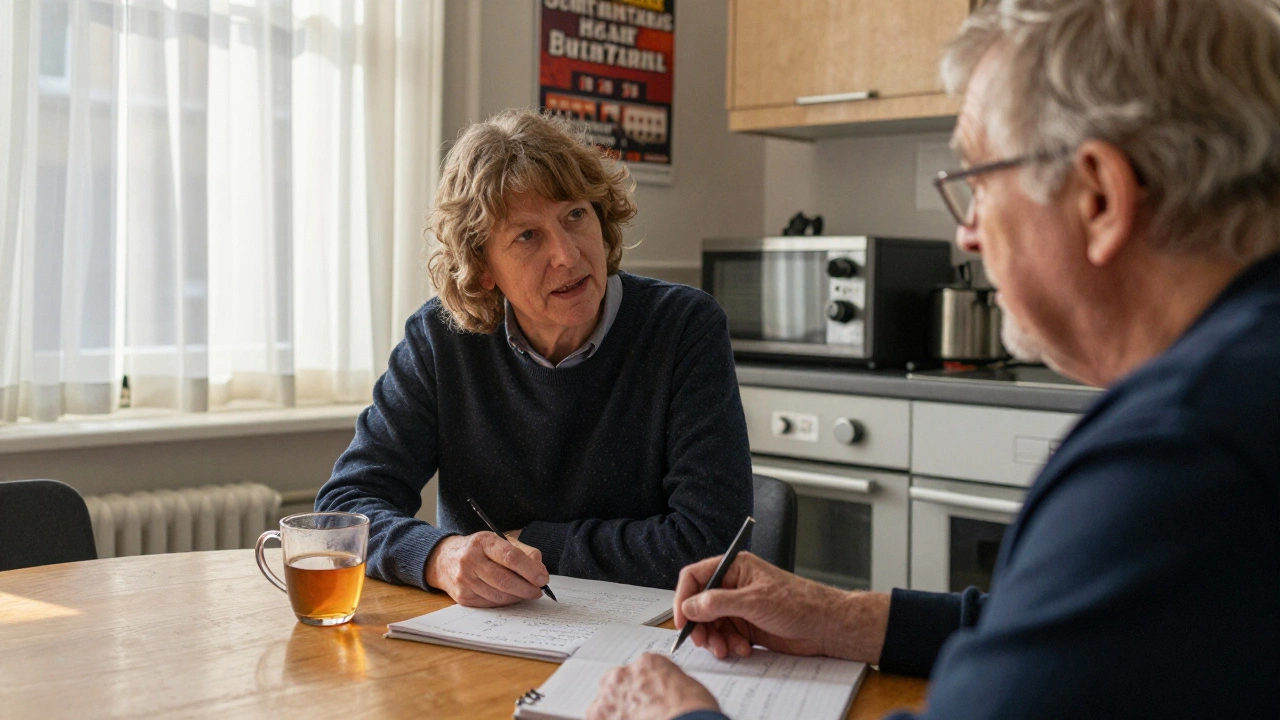
Before you plan a program, launch a campaign, or spend a single pound, sit down with the people you want to reach. Not in a boardroom. Not at a town hall with 30 people who already show up to everything. Go to the places they already are: the corner shop, the bus stop, the youth center, the church basement. Ask open questions: What’s one thing that makes this area hard to live in? What would you change if you had the power? Listen without interrupting. Take notes. Record the answers - not just what’s said, but what’s left unsaid.
In Edinburgh’s Leith neighborhood, a housing group spent six weeks talking to residents in their homes instead of sending out surveys. They found out that the biggest concern wasn’t repairs - it was isolation among older residents. That insight led to a simple, low-cost solution: weekly coffee mornings in the community hall. Attendance jumped from 8 to 72 people in three months. Listening doesn’t take much time, but it saves you from wasting resources on the wrong thing.
Step 2: Co-Design With the Community
Don’t design solutions for people. Design them with them. This means inviting community members into the planning process as equal partners - not as token participants. Give them real decision-making power. Let them help set goals, choose activities, and even pick the budget priorities.
A local food bank in Glasgow didn’t just hand out meals. They asked residents: What do you need beyond food? The answer? Cooking classes, storage space for dry goods, and help applying for benefits. The food bank restructured its entire model, training volunteers from the community to lead workshops. Within a year, food insecurity dropped by 31% in that area. The key? The people who used the service were the ones designing it.

Step 3: Communicate Clearly and Consistently
People don’t join efforts they don’t understand. And they won’t stick around if they feel ignored after the first meeting. Communication isn’t just about announcements - it’s about transparency. Tell people what you’re doing, why, and how they can get involved. Use multiple channels: posters in libraries, WhatsApp groups, local radio, and face-to-face chats. Avoid jargon. Say “we’re fixing the playground” instead of “we’re implementing infrastructure revitalization.”
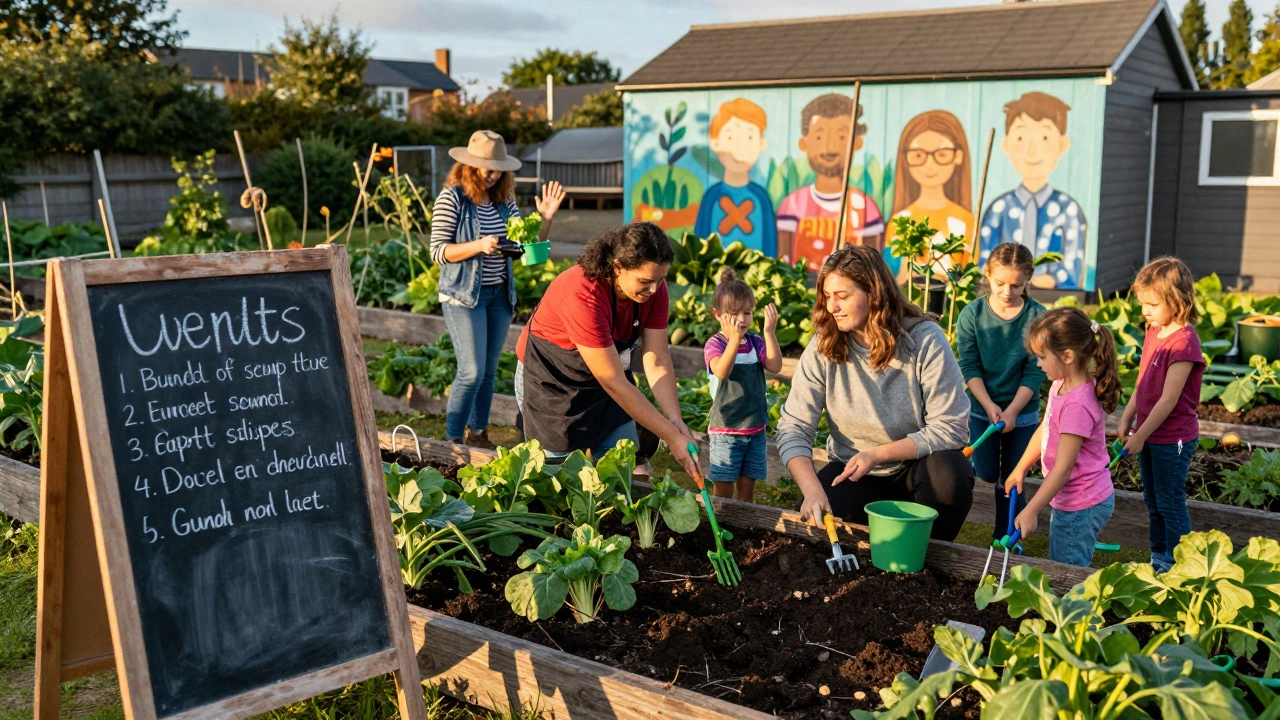
A community garden project in Dundee failed twice because they used formal letters and emails. When they switched to simple text messages and weekly updates on a chalkboard outside the garden shed, participation tripled. People need to feel like they’re in the loop - not just informed.
Step 4: Create Real Opportunities for Participation
People want to help, but not everyone has time to chair a committee. Offer different ways to get involved. Some might want to lead a team. Others might just want to show up for two hours on a Saturday. Make room for all of it.
One youth group in Aberdeen created a “choose your role” system: you could be a gardener, a photographer, a translator, a snack organizer, or a storyteller. No one was turned away. Within six months, they had 120 regular volunteers - including 40 people who had never volunteered before. The trick? They made participation easy, flexible, and meaningful.
Step 5: Celebrate and Show Impact
People stay involved when they see their effort matters. Don’t wait for a big milestone to say thanks. Celebrate small wins. Share photos. Tell stories. Show before-and-after results. A simple thank-you note, a shout-out at a local event, or a photo wall of volunteers can go further than a grant letter.
In a rural village in the Highlands, a group cleaned up a derelict playing field. After six months, they posted a video showing kids playing soccer on the same pitch that had been covered in trash. The video got 12,000 views locally. Donations poured in. New volunteers signed up. Why? Because people saw what they had done - and knew they could do more.
Community engagement isn’t a project. It’s a practice. It doesn’t require a big budget or fancy tools. It needs patience, honesty, and a willingness to share power. When you follow these five steps - listen, co-design, communicate, create access, and celebrate - you don’t just build programs. You build trust. And trust? That’s what turns a neighborhood into a community.