
What Are Non-Cash Gifts to Charity? A Simple Guide to Donating Beyond Money
 Dec, 8 2025
Non-Cash Donation Eligibility Checker
Check Your Donation Eligibility
Enter details about the item you want to donate to see if it's suitable for UK charities.
Most people think donating to charity means writing a check or tapping a card. But what if you could give something you already own - something useful, valuable, and meaningful - without spending a single pound? That’s where non-cash gifts to charity come in. They’re not just a clever workaround; they’re a powerful way to stretch your impact, reduce waste, and help organizations do more with what they already have.
What Exactly Counts as a Non-Cash Gift?
A non-cash gift - also called an in-kind donation - is anything you give to a charity that isn’t money. It could be physical items, services, or even skills. The key is that the charity receives something tangible or actionable that helps them run better, serve more people, or cut costs.
Think about it: a food bank doesn’t need cash to fill its shelves - it needs cans of soup. A homeless shelter doesn’t need another donation receipt - it needs warm blankets. A youth group doesn’t need more funds for supplies - it needs soccer balls and art kits. These aren’t extras. They’re essentials. And when you give them directly, you’re cutting out the middleman.
Common Types of Non-Cash Donations
People often underestimate what charities can use. Here’s what actually gets put to work:
- Household goods - furniture, kitchenware, linens, books, toys. Organizations like the British Red Cross and local thrift stores resell these to fund programs.
- Clothing and footwear - clean, wearable items for people experiencing homelessness or fleeing domestic violence. Many shelters have strict quality standards - no stains, rips, or missing buttons.
- Food and beverages - non-perishables like pasta, rice, canned vegetables, and peanut butter. Some charities also accept fresh produce from community gardens or local farms.
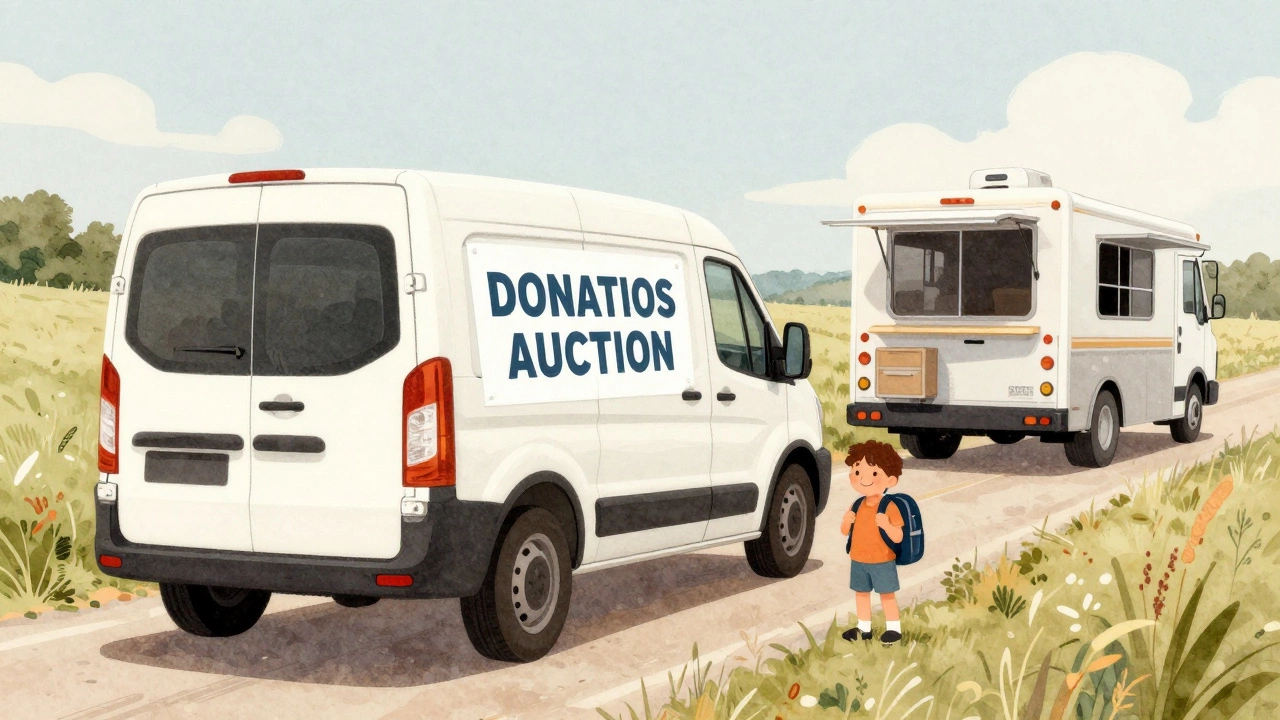
- Vehicle donations - cars, vans, or even boats. Charities like Cancer Research UK and RSPCA accept them, sell them at auction, and use the proceeds to fund research or animal care.
- Professional services - legal advice, accounting, graphic design, web development, or marketing help. A small charity might not afford a PR firm, but they can use a volunteer who knows how to write a press release.
- Stocks, bonds, or crypto - while technically financial, these aren’t cash. You transfer ownership directly, often avoiding capital gains tax and giving the charity more than you’d get from selling first.
- Real estate - houses, land, or commercial property. Donating property can be a major gift, especially for organizations building shelters or community centers.
One charity in Edinburgh, The Mustard Seed, runs a furniture reuse program. Last year, they received over 3,200 items - sofas, dining tables, wardrobes - all donated by households clearing out after a move or a death. They repaired, cleaned, and sold them at 80% off retail. The money paid for meals for 15,000 people.
Why Non-Cash Gifts Matter More Than You Think
Money is flexible, sure. But cash donations come with overhead. Charities have to buy everything - from toilet paper to office printers. That means every pound they spend on supplies is a pound they can’t spend on staff, outreach, or direct aid.
When you give a non-cash item, you’re doing two things at once:
- You’re reducing the charity’s operating costs.
- You’re keeping usable stuff out of landfills.
A 2024 report from the Charities Aid Foundation found that UK charities saved over £1.2 billion in 2023 by receiving in-kind donations. That’s not a rounding error. That’s enough to hire 14,000 full-time support workers.
And it’s not just about saving money. It’s about dignity. A child who gets a new backpack and school supplies from a donation bin doesn’t feel like they’re getting charity - they feel like they’re getting what every kid deserves.
How to Make Sure Your Donation Is Actually Helpful
Not every old sweater counts. Not every broken laptop helps. Charities have limits. They can’t store everything. And they don’t want junk.
Before you drop off a box, ask yourself:
- Is it clean and in good condition? No stains, tears, or missing parts. If you wouldn’t give it to a friend, don’t give it to a charity.
- Does it match their current needs? Check their website or call ahead. A shelter might need winter coats in October but not in July.
- Can they use it? A preschool needs crayons, not adult-sized paintbrushes. A food bank needs tinned beans, not expired yogurt.
- Is it legal to donate? No expired medicine, recalled baby gear, or unsafe electronics.
Some charities run donation drives with specific lists. For example, during the Christmas season, many support services ask for gift vouchers for teens - not toys - because older kids often feel embarrassed receiving hand-me-downs.
What Happens After You Donate?
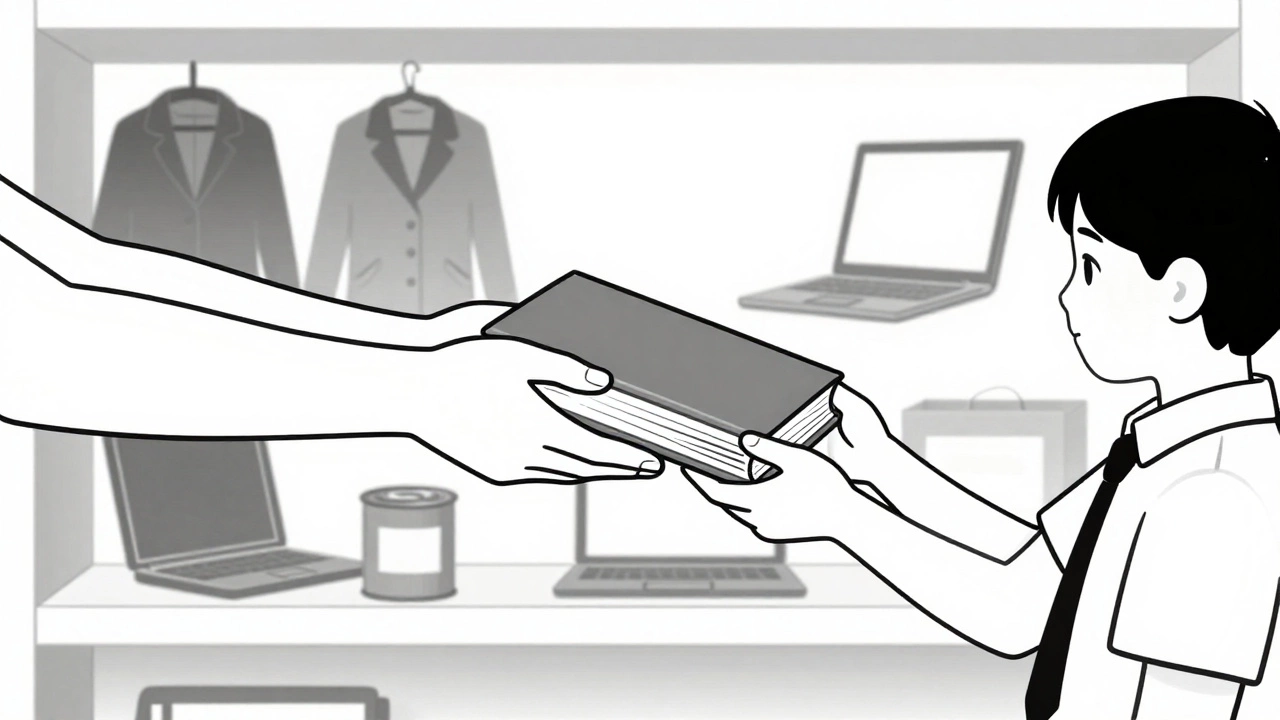
You drop off a box of books at your local library’s donation bin. What happens next?
It gets sorted. Books that are outdated or damaged go to recycling. The rest are priced and sold in a charity shop. The money goes to literacy programs. Some books go straight to schools or refugee centers.
For larger items - like a donated van - the charity might partner with a vehicle recycling firm. They get a fair market value for it, then use the cash to buy fuel for their mobile food truck.
Services are trickier. If you give free legal advice, the charity might use it for one client - say, someone fighting eviction - and that one case could prevent a family from becoming homeless.
Transparency matters. Reputable charities will tell you how your donation was used. Look for annual reports or updates on their social media. If they don’t share that, ask.
How to Claim a Tax Break (UK Rules)
In the UK, you can’t claim tax relief on in-kind donations the same way you do with cash. But there are exceptions.
- If you donate stocks or shares directly to a registered charity, you don’t pay capital gains tax, and you can deduct the market value from your income tax.
- If you donate land or property, you may qualify for inheritance tax relief or income tax deductions if structured correctly.
- If you’re a business, you can claim corporation tax relief on the cost of goods donated, as long as they’re given for charitable purposes.
Always get a receipt. Even for a box of clothes. The charity should provide a letter or form that says what you gave, when, and that it was for charitable use. Keep it with your tax records.
For gifts over £500, HMRC recommends getting a professional valuation - especially for art, antiques, or vehicles. Don’t guess the value. Overstate it, and you risk an audit. Understate it, and you lose the benefit.
Where to Donate Non-Cash Items in the UK
Not every charity takes everything. Here’s where to start:
- British Red Cross - clothing, bedding, household goods, and vehicles.
- Oxfam - books, music, clothes, and homewares.
- The Salvation Army - furniture, electronics, and clothing.
- Local food banks - non-perishable food, baby formula, toiletries.
- Animal charities - pet food, leashes, blankets, grooming tools.
- Community hubs - many towns have donation centres that sort and redistribute items locally.
Use the GOV.UK donation finder to locate drop-off points near you. Just enter your postcode and what you’re giving.
What Not to Donate
Some things sound helpful - but aren’t. Avoid these:
- Expired or opened food
- Used mattresses or pillows (health regulations)
- Broken electronics
- Out-of-date medicines
- Used underwear or swimwear
- Car seats older than 5 years
- Unsafe toys (missing parts, sharp edges)
Charities aren’t junk stores. They’re mission-driven. They need items they can use, sell, or give out safely.
What If You Don’t Have Stuff to Give?
You don’t need to own a couch or a car to give non-cash. Your time and skills are just as valuable.
Can you:
- Fix a leaky tap for a senior’s home?
- Design a logo for a youth group?
- Teach a basic computer class at a community centre?
- Translate documents for a refugee support group?
These are non-cash gifts too. And they often have a longer-lasting impact than a bag of clothes.
Check with local charities about volunteer opportunities. Many need pro bono help - and they’ll tell you exactly what’s missing.
Final Thought: Giving Beyond Money
Charity isn’t about how much you spend. It’s about how much you give - and how wisely.
A non-cash gift doesn’t cost you cash. But it costs you thought. It asks you to look around your home, your skills, your time - and ask: Could this help someone else?
When you give a book to a child who’s never owned one, or a coat to someone shivering in the rain, you’re not just helping. You’re restoring dignity. And that’s worth more than any donation receipt.
Can I donate food that’s close to its expiry date?
Yes - but only if it’s still safe to eat. Most UK food banks accept food up to its "best before" date, but not "use by" dates. Always check with the charity first. Items like canned goods, pasta, and cereal are ideal. Avoid anything with dents, leaks, or swollen packaging.
Do charities accept electronics like laptops or phones?
Some do - but only if they’re in working order. Charities that support schools, job seekers, or low-income families often need devices for online learning or job applications. Before donating, wipe all personal data and include chargers. Organizations like Computer Aid International specialize in refurbishing and redistributing tech.
Can I donate my car if it doesn’t run?
Yes. Many charities accept non-running vehicles. They tow them to auction or scrap yards and use the proceeds. You’ll need to complete a V5C logbook transfer and notify the DVLA. The charity should provide you with a receipt for tax purposes.
Is there a limit to how much I can donate in a year?
No legal limit exists for non-cash donations. But if you’re claiming tax relief on stocks, property, or other assets, HMRC requires professional valuations for items over £500. Keep detailed records - photos, receipts, and written descriptions - in case of audit.
Can businesses donate inventory or services?
Absolutely. Businesses can claim corporation tax relief on the cost of goods donated to registered charities. Services like legal, accounting, or marketing help are also deductible as business expenses if given for charitable purposes. Always get a formal letter from the charity confirming the donation and its value.