
What Are Charity Events Called? The Ultimate Guide to Fundraising Event Names
 May, 11 2026
Charity Event Name Finder
Answer three quick questions to find the ideal event name for your cause.
Your personalized recommendation will appear here
You want to raise money for a cause, but you’re stuck on the name. Is it a fundraiser? A gala? A drive? The terminology can be overwhelming. Getting the name right matters because it sets the tone, attracts the right audience, and tells people exactly what to expect. If you call a casual street fair a "formal gala," you’ll scare off your neighbors. If you call a black-tie evening a "meetup," you might lose out on major sponsors.
Understanding the specific names of charity events is the foundation of successful nonprofit marketing and community engagement helps you plan better. Different names imply different levels of effort, cost, and formality. Let’s break down exactly what these events are called, why those names exist, and how to choose the right one for your mission.
The Big Ticket: Formal and High-End Events
When organizations need to raise significant amounts of money from high-net-worth individuals or corporate sponsors, they turn to formal events. These names carry weight and prestige. You see them in invitation suites sent months in advance.
Gala Dinner: This is perhaps the most recognizable term for a large-scale fundraising event. A gala usually involves a sit-down meal, entertainment (like live music or performances), and often an auction. It signals exclusivity and luxury. Think tuxedos, champagne towers, and silent auctions featuring trips or art. The word "gala" comes from Italian roots meaning joy or celebration, but in the nonprofit world, it means serious fundraising with a social veneer.
Benefit Concert or Performance: When talent meets philanthropy, you get a benefit. Unlike a standard ticketed show where profits go to the artist, a benefit explicitly states that proceeds support a specific cause. These can range from small local theater productions to massive stadium concerts like Live Aid. The key here is the association between the performer and the cause. Fans buy tickets not just for the music, but to feel part of the solution.
Charity Ball: Similar to a gala, but with a stronger emphasis on dancing and nightlife. Balls are often themed-think masquerade balls or winter wonderland balls. They attract donors who enjoy social mingling as much as giving. The atmosphere is energetic, and the dress code is strictly formal.
| Event Name | Primary Goal | Dress Code | Avg. Ticket Price |
|---|---|---|---|
| Gala Dinner | Major donor cultivation & large donations | Black Tie / Formal | $150 - $500+ |
| Benefit Concert | Brand awareness & mass appeal | Casual to Smart Casual | $30 - $100 |
| Charity Ball | Social networking & mid-level donations | Formal / Themed | $100 - $300 |
Community-Centric and Casual Gatherings
Not every donation needs a tuxedo. In fact, many of the most effective fundraisers happen at the neighborhood level. These events rely on volume-getting lots of people to give small amounts-and building community spirit. The names reflect accessibility and fun.
Fundraiser: This is the umbrella term. While technically correct, it’s rarely used as the event title itself. You wouldn’t invite someone to "The Annual Fundraiser." Instead, you’d say "The Annual Fun Run." However, when discussing strategy internally, nonprofits use this term to describe any activity designed to generate revenue.
Bake Sale: The classic entry-level charity event. Usually hosted by schools, churches, or local clubs. It’s low-cost, low-risk, and highly visible. The power of a bake sale isn’t just the money; it’s the conversation starter. People stop to buy cookies, talk to volunteers, and learn about the cause. It’s a gateway to deeper engagement.
Car Wash: Often organized by youth groups or sports teams. It’s active, outdoor, and relies on impulse buys. Drivers slowing down for a sunny day are more likely to drop $5 than if they were asked to write a check. The name implies service and cleanliness, which aligns well with community improvement causes.
Fair or Festival: Larger than a bake sale but less formal than a gala. County fairs, food festivals, and cultural festivals often have charitable components. Booth fees, game prizes, and food sales all contribute to the bottom line. These events celebrate local culture while raising funds.
Action-Oriented and Competitive Events
Some people love to compete. Others love to move. Events that involve physical activity or competition tap into personal goals and team spirit. Participants often fundraise themselves by asking friends and family for pledges before the event.
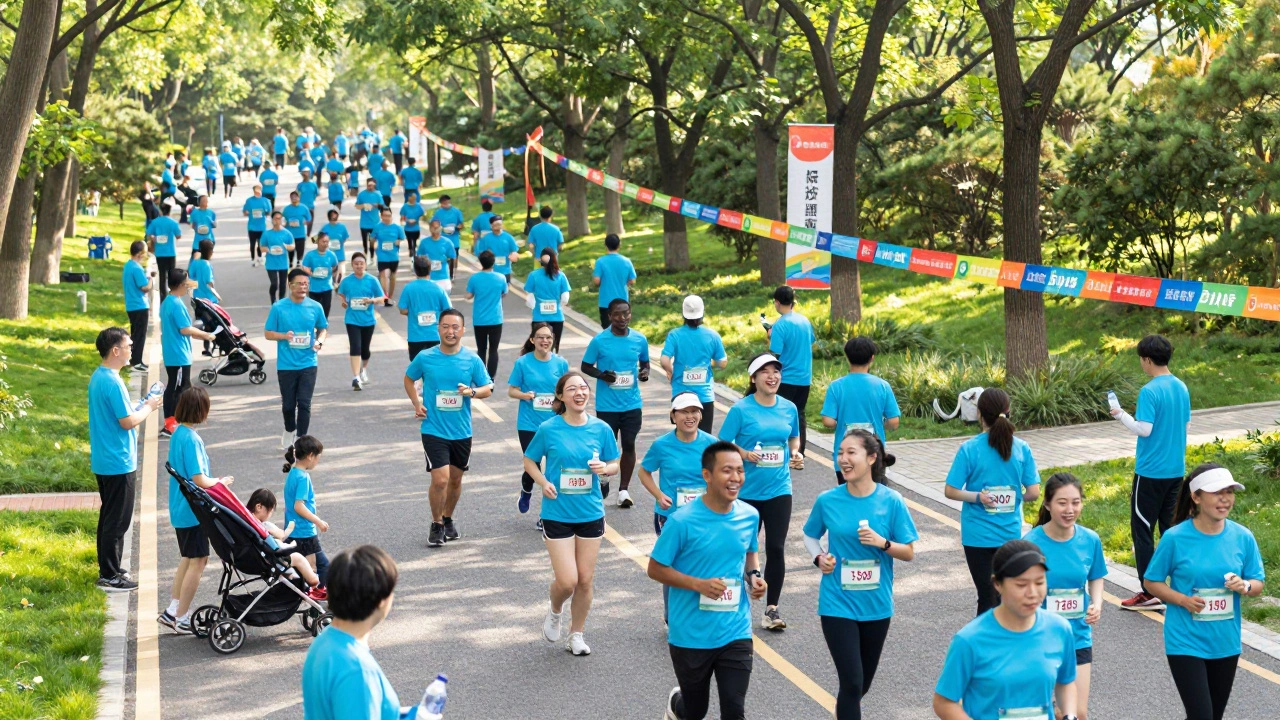
Fun Run / 5K Walk: These are staples of the nonprofit calendar. Participants register, wear T-shirts, and run or walk a set distance. The energy is high, and the visual impact of hundreds of people wearing the same branded shirt is powerful. It’s great for visibility and community pride.
Marathon or Triathlon: For the serious athletes. These events require more training and commitment, so participants often raise larger sums per person. Nonprofits partner with race organizers to create "charity slots" where runners represent their organization.
Tournament: Golf tournaments, poker nights, and basketball games fall under this category. They combine socializing with competition. Corporate sponsors love golf tournaments because they offer a relaxed environment for business networking alongside philanthropy. Poker nights add an element of excitement and risk, which can lead to higher donations.
Sales and Auction-Based Events
These events focus on exchanging goods or services for money. The value proposition is clear: you get something tangible in return for your contribution.
Silent Auction: Often held within galas or standalone events. Donors provide items or experiences, and attendees bid secretly by writing down their offers. It’s efficient and allows shy bidders to participate. The thrill of winning without public pressure drives up prices.
Live Auction: An auctioneer leads the bidding process aloud. It’s fast-paced, entertaining, and creates a sense of urgency. Live auctions work best with high-value items like cars, jewelry, or exclusive experiences. The energy in the room can push bids higher than silent auctions.
Raffle: Simple and legal (with proper permits). Participants buy tickets for a chance to win a prize. Raffles are great for adding an extra revenue stream to any event. They don’t require much infrastructure, just a drawing mechanism and a desirable prize.
Yard Sale or Garage Sale: On a smaller scale, individuals or families sell used items to support a cause. Online versions, like Facebook Marketplace fundraisiers, have become popular. The name suggests thrift and sustainability, appealing to eco-conscious donors.

Seasonal and Thematic Events
Timing and theme play a huge role in naming. Seasonal events leverage existing cultural moments to boost participation.
Holiday Party: Many nonprofits host holiday parties that double as fundraisers. Guests donate instead of bringing gifts, or tickets include a donation. The festive atmosphere makes giving feel natural.
Back-to-School Drive: Common among education-focused charities. Families donate supplies or cash during the summer months when school needs are highest. The name clearly communicates the purpose and timing.
Earth Day Fair: Environmental groups use this name to align with global awareness days. It attracts environmentally conscious donors and partners.
How to Choose the Right Name for Your Event
Picking the wrong name can hurt your attendance. Here’s a quick checklist to help you decide:
- Know your audience: Are they wealthy donors looking for exclusivity (Gala) or families looking for fun (Fair)?
- Match the budget: Galas are expensive to produce. Bake sales are cheap. Don’t promise a gala experience on a bake sale budget.
- Consider the venue: A ballroom suits a Gala. A park suits a Fun Run. A garage suits a Yard Sale.
- Be clear: Avoid vague names like "The Spring Thing." Be specific: "Spring Benefit Concert."
- Check local laws: Some names, like "Raffle" or "Gambling Night," require specific licenses. Make sure you’re compliant.
The name is your first impression. It tells people what kind of experience they’re buying into. Whether you’re organizing a small bake sale or a massive gala, choose a name that reflects your goals, your audience, and your values. Clear communication leads to better turnout, and better turnout leads to more funds for your cause.
What is the difference between a gala and a fundraiser?
A fundraiser is a broad term for any event that raises money. A gala is a specific type of fundraiser that is formal, usually includes a meal, and targets high-level donors. All galas are fundraisers, but not all fundraisers are galas.
Can I call my event a 'benefit' if I keep some money for costs?
Yes, but be transparent. A benefit typically means proceeds go to a cause, but covering reasonable costs (venue, food) is standard. Just ensure the majority of net profit supports the charity, not overhead.
What are some creative names for a charity bake sale?
Try names like "Sweet Support Sale," "Cookies for a Cause," or "Baking Change." The key is to link the product (baked goods) with the outcome (helping others).
Is a silent auction considered a formal event?
It depends on the context. Silent auctions can be part of formal galas, but they can also be held at casual events like yard sales or community fairs. The format itself doesn’t dictate formality; the surrounding event does.
Why do some charities use the word 'drive' in their event names?
"Drive" implies urgency and collective effort, like a blood drive or toy drive. It suggests a short-term campaign focused on gathering specific items or funds quickly, rather than a single social event.