
What Actually Happens at a Charity Event? A Complete Insider Guide
 Apr, 20 2026
Charity Event Fundraising Estimator
Estimate your event's potential net profit based on different fundraising streams.
Income Streams
Costs & Sponsorships
Key Takeaways
- Events are structured to move guests from a social "warm-up" to an emotional "ask."
- Activities range from silent auctions and live appeals to interactive workshops.
- The goal is a mix of financial targets and building long-term relationships with donors.
- Attendees play different roles, from passive listeners to active bidders.
Let's start with the most common high-end format: the gala. When you arrive, you'll usually hit the reception first. This is where Networking is the process of interacting with others to exchange information and develop professional or social contacts happens. You'll likely find a drink in your hand and a name tag on your chest. The atmosphere is intentionally light. Organizers do this to lower your guard and get you feeling connected to other people who care about the same cause. If it's a corporate-sponsored event, you'll see booths from companies showing off their CSR (Corporate Social Responsibility) initiatives.
The Anatomy of a Fundraising Gala
Once the cocktail hour ends, the event shifts into a more structured phase. You'll be guided to a table, and the program usually follows a specific psychological curve. It starts with a welcome speech, then moves to a meal, and finally hits the emotional peak. This is where the Non-profit Organization, which is a legal entity organized for a collective, public, or social benefit rather than for profit, tells its story. They don't just give you statistics; they share a narrative. You'll hear from a beneficiary-someone whose life was actually changed by the funds. This is the "emotional hook." Once the room is feeling the weight of the problem and the hope of the solution, the event enters the active fundraising phase.
This is when you'll see the most action. Many galas use a Silent Auction, which is a fundraising method where items are displayed and guests write bids on a sheet or via an app over a set period. You might see a signed sports jersey or a weekend getaway to the Highlands. You wander around, check out the items, and place your bids. It's low pressure and lets people contribute at their own comfort level.
| Event Type | Vibe | Primary Fundraising Tool | Commitment Level |
|---|---|---|---|
| Gala Dinner | Formal/Elegant | Live Auction & Pledges | High (Ticket + Donation) |
| A-thon (Run/Walk) | Active/Community | Peer-to-Peer Crowdfunding | Medium (Effort + Sponsoring) |
| Community Bake Sale | Casual/Local | Direct Sales | Low (Small Purchase) |
| Benefit Concert | High Energy | Ticket Sales & Merch | Medium (Ticket Price) |
The High-Stakes World of Live Auctions
If the silent auction is a whisper, the live auction is a shout. This is usually led by a professional auctioneer who knows exactly how to keep the energy high. They use a technique called "bid calling" to create a sense of urgency. You'll see people competing for a luxury item, and the price often climbs far beyond the actual value of the object. Why? Because the guests aren't just buying a vacation; they are buying the feeling of being a savior for the cause. This is where the charity events often make their biggest chunks of money in a very short window of time.
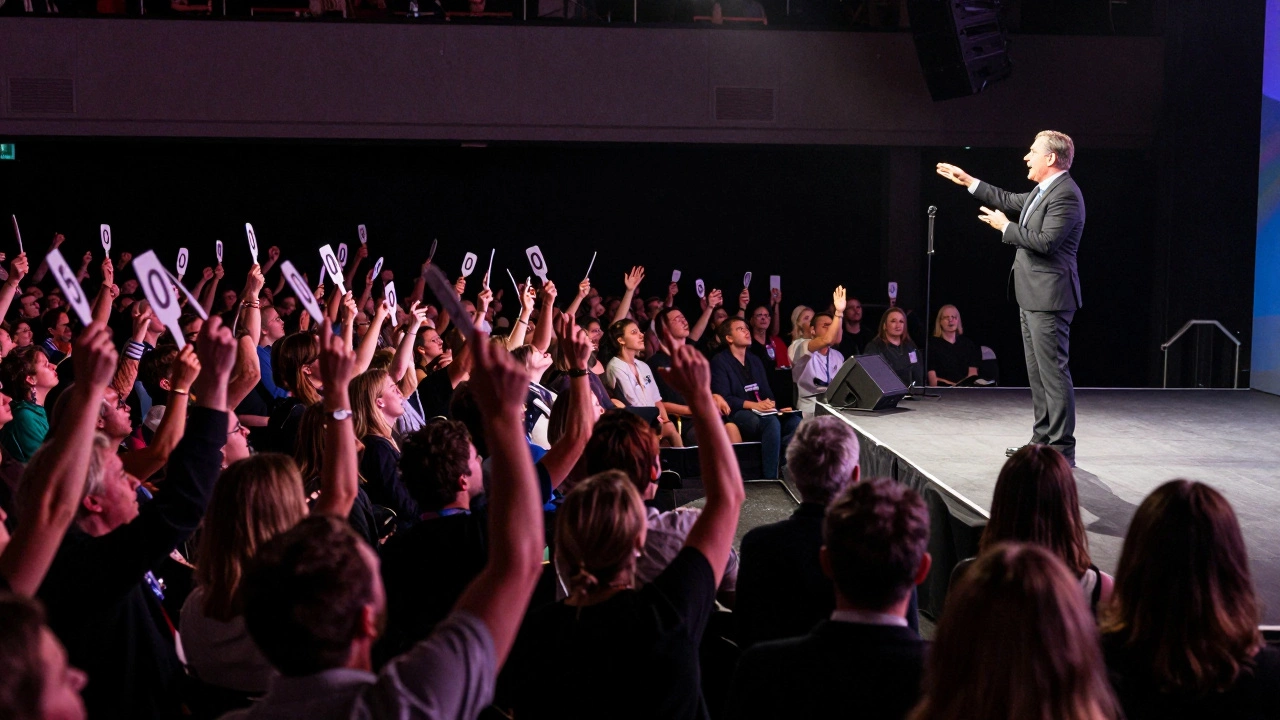
Following the auction, there's often a "Fund-a-Need" or a "Paddle Raise." This is the most direct part of the night. The speaker asks for specific amounts-for example, "Who will give $5,000 to build a new well?" Guests raise their paddles to commit. It's a powerful moment because it's transparent. You know exactly where your money is going, and you see others in the room committing alongside you, which creates a social ripple effect.
Community-Driven and Active Events
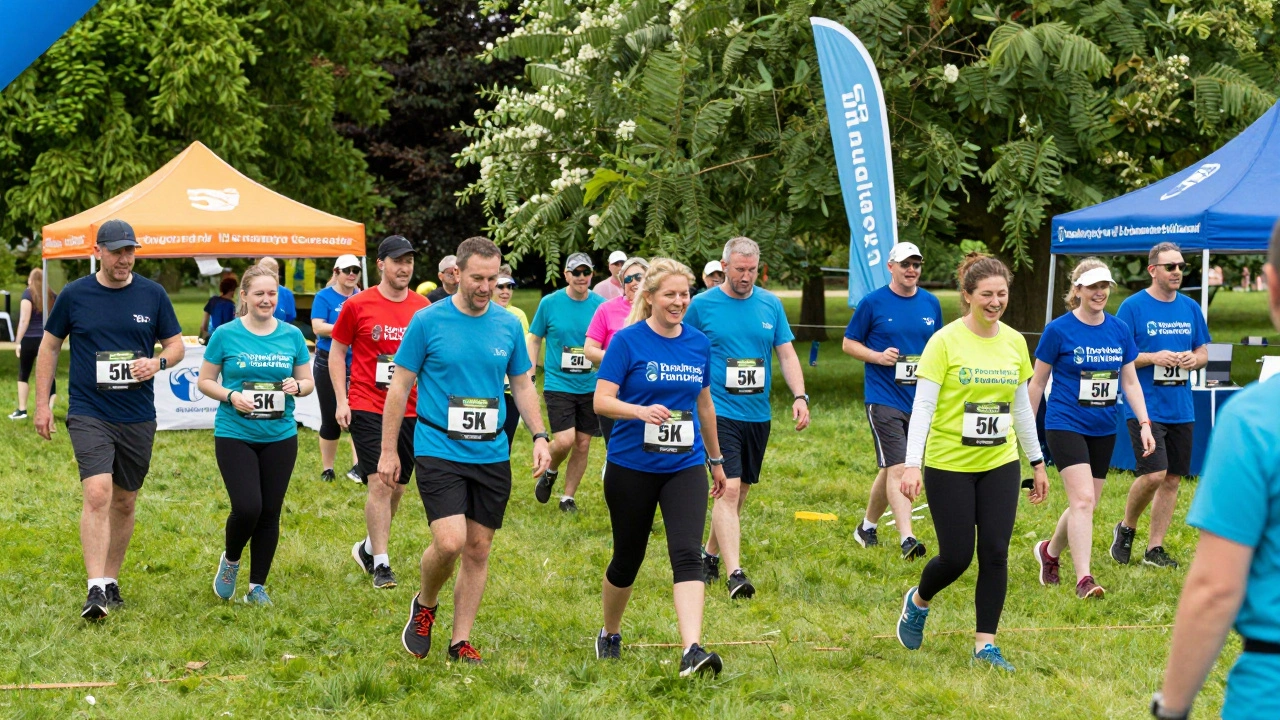
Not every event is about gowns and champagne. Many charities rely on Peer-to-Peer Fundraising, which is a method where individuals raise money on behalf of a charity by asking their own friends and family for donations. Think of a 5K run or a cycle-thon. In these cases, the "event" is actually the culmination of weeks of work. The day of the event is more about celebration and community than the act of asking for money, as most of the funds were raised online via platforms like JustGiving or GoFundMe before the starting gun even fired.
At these events, the focus shifts to awareness and engagement. You'll find information booths, health screenings, or guest speakers who explain the charity's mission. The goal here is to turn a one-time donor into a long-term Philanthropist, which is a person who seeks to promote the welfare of others, especially by the generous donation of money to good causes. By making the experience active and social, the charity builds a deeper emotional bond with the participant than a simple check-in-the-mail ever could.
The Behind-the-Scenes Logistics
You might not see it, but there's a massive operation happening in the wings. Event planners are tracking the "Run of Show"-a minute-by-minute schedule that ensures the food comes out at the right time and the speakers don't talk for too long. If a speech drags on, the energy in the room drops, and donations usually follow. This is why you'll often see a stage manager gesturing to the speaker to wrap it up.
There's also the role of the Donor Relations team. These are the people who spend the evening circulating through the crowd, talking to high-net-worth individuals and making sure they feel appreciated. They aren't just chatting; they are identifying potential "major gifts" for the future. They might pull a guest aside to mention a specific project that needs funding, turning a general party into a strategic acquisition of support.
Common Pitfalls and Guest Etiquette
If you're attending for the first time, there are a few things to keep in mind. First, the "suggested donation" on a ticket is often just a starting point. In the world of non-profits, the ticket price usually only covers the cost of the venue and food; the actual profit comes from the activities during the event. If you want to support the cause, be prepared to give a bit more than the entry fee.
Avoid the mistake of treating a charity event like a standard party. While the drinks and music are great, remember that the organization is likely spending a significant portion of its budget just to put the event on. The more you engage with the mission and the people behind it, the more valuable your presence is. When the "ask" comes, don't feel pressured to give more than you can, but do consider how your contribution fits into the overall goal.
Do I have to donate at a charity event if I already bought a ticket?
No, you aren't obligated to. However, keep in mind that ticket prices often only cover the overhead costs (food and venue). Most of the actual money for the cause is raised through the auctions and direct appeals during the event. If you can afford it, an additional donation is always appreciated.
What is the difference between a silent auction and a live auction?
A silent auction allows you to bid on items privately on a piece of paper or an app over several hours. A live auction happens in real-time with an auctioneer, creating a competitive environment where prices climb quickly and the winner is decided on the spot.
What should I wear to a charity event?
It depends entirely on the invite. "Black Tie" means tuxedos and evening gowns. "Business Casual" is a safe bet for most community events. When in doubt, it's better to be slightly overdressed than underdressed at a fundraising event.
How do these events actually make money after expenses?
Charities use corporate sponsorships to cover the cost of the venue, catering, and marketing. This ensures that as much of the individual donations and auction winnings as possible go directly to the programs they support.
What is a 'Paddle Raise'?
A paddle raise is a direct appeal where the host asks for donations of specific amounts (e.g., $100, $500, $1,000). Guests raise a numbered paddle to signal their commitment to that specific amount, making the process fast and visible to the rest of the room.
Next Steps for Attendees and Organizers
If you're attending an event soon, try to research the specific projects the charity is currently funding. Being able to ask a question about a project during the networking hour shows the organizers that you're genuinely interested, which often leads to a more meaningful experience. If you're organizing one, remember that the balance between "fun" and "fundraising" is delicate. Too much party and people forget why they're there; too much pitching and they feel exhausted. The secret is in the storytelling.