
The Hidden Costs of Volunteering: Burnout, Exploitation, and Safety Risks
 May, 28 2026
Volunteer Cost Calculator
Calculate the hidden financial costs of your volunteer commitment over a year.
We often hear that volunteering is a pure act of giving. It’s portrayed as a selfless gesture that feels good and does good. But what happens when the 'good' starts to feel heavy? What if the time you give away costs you your health, your wallet, or your peace of mind?
While helping others is noble, it isn’t without cost. Many people jump into volunteer work with open hearts, only to find themselves drained, underappreciated, or even unsafe. Understanding these downsides doesn’t mean you should stop caring. It means you need to protect yourself while you care for others.
The Physical and Mental Toll of Volunteer Burnout
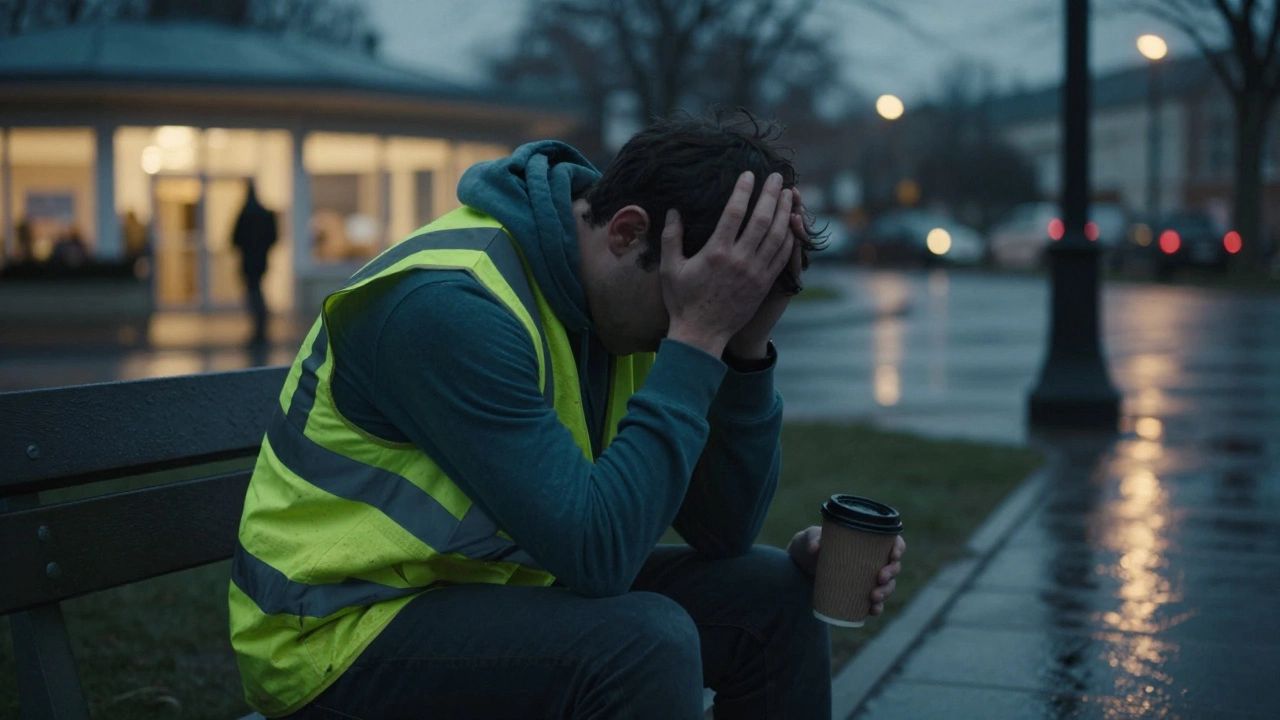
You might think burnout only hits corporate workers grinding for a paycheck. Think again. Volunteer burnout is a state of physical, emotional, and mental exhaustion caused by prolonged involvement in demanding unpaid work. It’s real, it’s common, and it’s dangerous because we don’t take it seriously.
When you’re not getting paid, you might feel guilty taking a break. You tell yourself, "I’m doing this because I want to." So you say yes to another shift. Then another. Before you know it, your weekends are gone, your energy is low, and your resentment is growing. This is especially true in high-stress roles like crisis counseling, disaster relief, or working in shelters where the problems never end.
- Emotional fatigue: Constant exposure to trauma or suffering can lead to secondary traumatic stress. You start carrying other people’s pain home with you.
- Physical exhaustion: Long hours on your feet, lifting heavy boxes at food banks, or cleaning up after storms takes a physical toll that adds up over time.
- Mental clutter: The inability to switch off from work thoughts because you feel responsible for the organization’s success.
If you notice yourself dreading your volunteer shifts, feeling irritable with family, or losing interest in hobbies you used to love, you’re likely burning out. Recognizing this early is crucial. Your well-being matters just as much as the cause you support.
Financial Strains and Hidden Costs
Volunteering is free for the organization, but it’s rarely free for you. The phrase "unpaid work" hides a lot of hidden expenses. Let’s look at the real math behind giving your time.
| Cost Type | Description | Impact |
|---|---|---|
| Transportation | Fuel, public transit fares, parking fees | Can add up to $50-$100 monthly depending on distance |
| Equipment & Uniforms | Specific shoes, gloves, background checks, training materials | One-time costs ranging from $20 to $200+ |
| Meals | Lunch during long shifts, coffee breaks | $10-$30 per week if not provided by org |
| Opportunity Cost | Income lost from not working a paid job or side hustle | Significant for students or gig workers |
Consider a student volunteering at a local animal shelter three times a week. They spend £15 on bus fare each trip, buy sturdy boots for £40, and miss out on two hours of paid part-time work each visit. Over a year, that’s hundreds of pounds spent and thousands potentially earned elsewhere. For low-income individuals, this financial barrier can make volunteering a luxury they can’t afford, despite their desire to help.
Always ask organizations upfront: Do you reimburse travel? Do you provide meals? Are there mandatory purchases? If the answer is no, calculate whether you can truly sustain this commitment financially.

Exploitation and the "Free Labor" Trap
This is the ugly side of volunteering that many prefer to ignore. Some organizations treat volunteers as cheap labor rather than partners. This is known as volunteer exploitation, which occurs when nonprofits use unpaid individuals to perform tasks that should be done by paid staff, often without proper supervision or appreciation.
How do you spot this? Look for red flags:
- Vague roles: You’re asked to "help wherever needed," which usually means fetching coffee, filing papers, or doing grunt work that adds no value to your skills or the mission.
- No training: You’re thrown into complex tasks without guidance, putting you and others at risk.
- High turnover: Volunteers quit quickly because they feel used. High churn is a sign of poor management.
- Lack of recognition: Your efforts are taken for granted. No thank-you notes, no feedback, no inclusion in team meetings.
I’ve seen small charities struggle due to budget cuts, and I understand the pressure. But there’s a line between stretching resources and exploiting goodwill. If an organization relies entirely on volunteers to keep its doors open, it may not be sustainable-and it certainly won’t respect your time. Ask yourself: Would this role exist if everyone demanded fair wages? If not, why are you doing it for free?
Safety Risks and Lack of Protection
When you’re employed, you have legal protections: workers’ compensation, liability insurance, harassment policies. As a volunteer, those safeguards often disappear. This leaves you vulnerable in ways you might not expect.
Imagine volunteering at a community garden. You slip on wet grass and break your wrist. Who pays for your medical bills? In many cases, no one. Most nonprofits carry general liability insurance, but it rarely covers volunteer injuries unless specifically stated. Always check the organization’s insurance policy before starting.
Then there’s personal safety. Working late nights at a shelter, visiting isolated sites for environmental cleanup, or interacting with vulnerable populations can expose you to danger. Without proper background checks on staff or clear safety protocols, you’re taking unnecessary risks.
Key questions to ask before committing:
- Does the organization have volunteer accident insurance?
- What safety training is provided?
- Is there a code of conduct and reporting mechanism for harassment?
- Will I ever work alone or in isolated areas?
If the answers are unclear or negative, reconsider. Your safety is non-negotiable.

Emotional Dissonance and Powerlessness
Volunteering often involves confronting systemic issues that are far beyond your control. You might spend weeks helping families find housing, only to see them return to homelessness months later due to lack of affordable units. You might tutor children for years, watching them struggle with poverty-related barriers that education alone can’t fix.
This creates emotional dissonance, a state where the gap between your desire to help and the reality of limited impact causes frustration, guilt, and despair. It’s exhausting to pour your heart into something that feels like pushing against a tidal wave.
This feeling is particularly strong in advocacy roles or direct service positions dealing with chronic social problems. You start questioning: Is my effort making any difference? Am I just bandaging wounds instead of healing them? These doubts can erode your motivation and lead to cynicism.
To combat this, focus on micro-wins. Celebrate small victories-a child who reads a book fluently, a family that secures temporary aid. Connect with other volunteers to share experiences and validate feelings. Remember: change is slow, but it’s not zero. Your contribution matters, even if it doesn’t solve everything.
Time Commitment vs. Life Balance
Life gets busy. Jobs change, relationships evolve, health fluctuates. Yet many volunteer roles demand rigid schedules. Missing a shift might mean letting down a team or leaving a gap in service coverage. This pressure can create significant stress.
Unlike paid jobs where you can negotiate flexibility or take vacation days, volunteer commitments often come with moral obligations. Saying "no" feels like betrayal. This imbalance can strain personal relationships and mental health.
Set boundaries from day one. Communicate your availability clearly. Choose roles with flexible hours if possible. And remember: it’s okay to step back. Stepping away doesn’t make you selfish; it makes you sustainable. A rested volunteer is more effective than a burnt-out one.
Is volunteer burnout a recognized condition?
Yes, while not listed in the DSM-5 as a standalone diagnosis, volunteer burnout shares symptoms with occupational burnout and compassion fatigue. Mental health professionals recognize it as a valid source of stress requiring intervention through rest, therapy, or boundary setting.
How can I avoid being exploited as a volunteer?
Research the organization thoroughly. Check reviews, ask current volunteers about their experience, and clarify your role in writing. Avoid vague descriptions. Ensure there’s a clear structure, training plan, and appreciation system. Trust your instincts-if something feels off, walk away.
Are volunteers covered by workers' compensation?
Generally, no. Workers’ comp applies to employees. However, some nonprofits purchase separate volunteer accident insurance. Always confirm coverage details in writing before starting. Consider personal health insurance that covers volunteer activities abroad or domestically.
What should I do if I feel emotionally overwhelmed by my volunteer work?
Pause and assess. Talk to a supervisor or counselor. Seek peer support groups for volunteers in similar roles. Practice self-care routines. If the environment remains toxic or unsupportive, consider transitioning to a less intense role or taking a break. Your mental health comes first.
Can volunteering negatively affect my career?
Rarely directly, but indirectly yes. If volunteering leads to burnout affecting your job performance, or if you take on roles conflicting with professional ethics, it could cause issues. Also, overcommitting may limit networking opportunities in paid sectors. Balance is key.