
The Dark Side of Giving: Real Negatives of Volunteering
 Apr, 12 2026
Volunteering Cost & Burnout Estimator
Financial & Time Inputs
Sustainability Indicators
Monthly Opportunity Cost
$0
Potential Income LostTotal Monthly Investment
$0
Opp. Cost + ExpensesBurnout Risk Level
Low
Sustainable* This tool provides an estimate based on the concepts of opportunity cost and burnout thresholds described in the article.
The Heavy Hit: Emotional Labor and Burnout
When you volunteer, you aren't just giving hours; you're giving emotional energy. This is especially true in "high-touch" environments like crisis centers or hospice care. You might enter the room feeling strong, but you leave carrying the weight of someone else's trauma. This is where Compassion Fatigue kicks in. It's not just being tired; it's a state of emotional exhaustion where you literally run out of empathy. Imagine working at a domestic violence shelter. You spend eight hours a week listening to stories of survival. At first, it's inspiring. After six months, you might find yourself unable to enjoy a dinner with your own family because you're mentally looping through a client's tragedy. This happens because the brain doesn't have a "switch" to turn off the empathy response. If you don't have a professional support system, you're essentially absorbing toxic stress without a filter. Burnout usually follows. It starts with a feeling of cynicism. You stop seeing the people you're helping as individuals and start seeing them as "cases." When the joy of helping is replaced by a feeling of obligation or resentment, you've hit the wall. For many, this leads to a total collapse of their motivation, causing them to quit abruptly and feel a sense of failure, which only adds to the psychological burden.The Organizational Trap: Poor Management
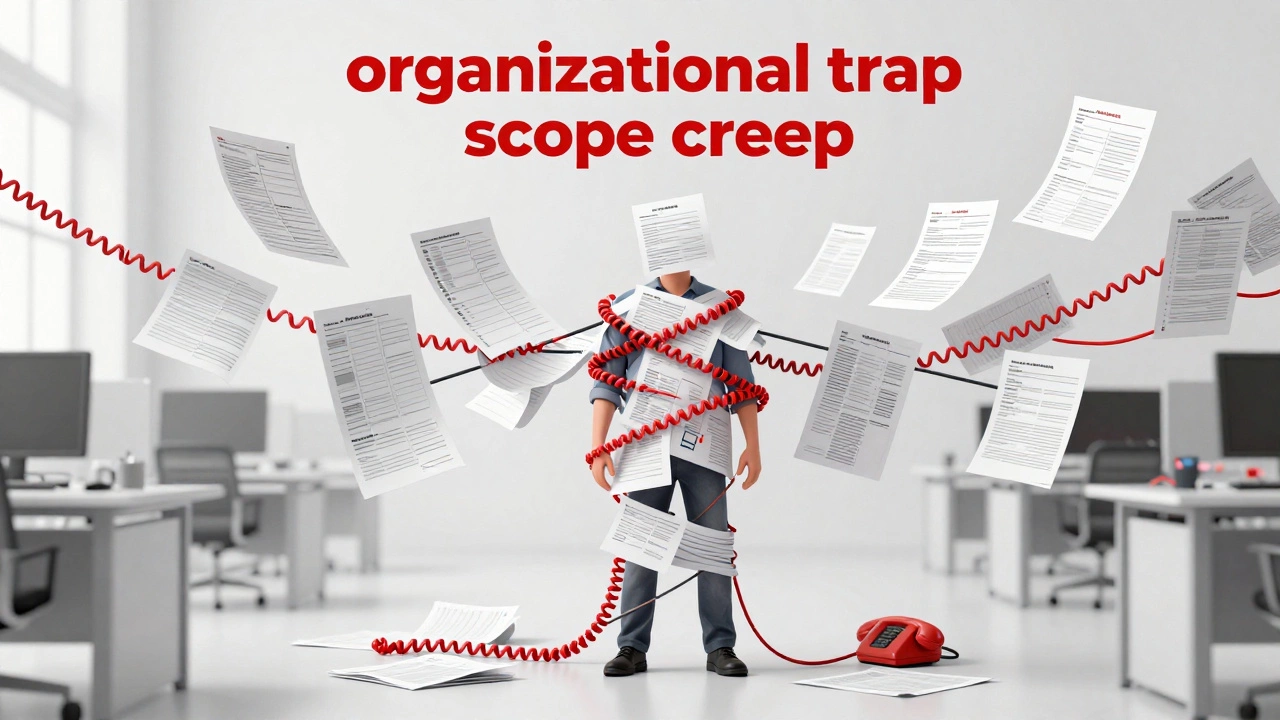
Not every non-profit is run efficiently. In fact, because they rely on passion rather than paychecks, some organizations have terrible management. You might find yourself in a situation where you're treated like an unpaid employee with all the responsibilities but none of the authority. Have you ever signed up to help with a community garden, only to find that the "coordinator" expects you to manage a budget, schedule ten other people, and handle city permits-all while they disappear for weeks? This is a common pitfall. Because you're a volunteer, there's an implicit expectation that you'll just "do it because you care." This creates a dangerous power dynamic where the organization exploits your goodwill. Poorly structured roles lead to "scope creep." You start by shelving books at a library, and suddenly you're the one responsible for the entire digital archiving project. When there are no clear boundaries or job descriptions, the line between helping and being exploited disappears. This leads to frustration and a feeling of being undervalued, which is a bitter pill to swallow when you're working for free.The Financial Strain of "Free" Work
It's a paradox: volunteering is free for the organization, but it often costs the volunteer money. We call these "hidden costs." If you're volunteering at a food bank across town, you're paying for gas and wear-and-tear on your car. If you're helping at a gala, you might feel pressured to dress up or buy a ticket to support the event you're helping to run. Consider the "opportunity cost." Every hour you spend volunteering is an hour you aren't spending on your paid job, your side hustle, or your own rest. For a student or a freelancer, this can be a significant blow. If you spend 10 hours a week volunteering, that's 40 hours a month. If your hourly rate is $25, you are effectively donating $1,000 of your potential income every month. When you look at it through that lens, the "free" nature of the work becomes a very real financial decision.| Cost Type | Direct Expense | Indirect Impact | Long-term Effect |
|---|---|---|---|
| Transport | Fuel, Parking, Transit | Time spent commuting | Vehicle depreciation |
| Emotional | Therapy costs (if needed) | Strained home relationships | Chronic stress/Burnout |
| Financial | Supplies, Clothing | Lost earning potential | Slower career progression |
The Social Friction and "Volunteer Guilt"
Volunteering can either build a community or create a weird, judgmental social circle. In some high-pressure environments, a "martyrdom culture" develops. This is where the people who work the most hours or sacrifice the most sleep are seen as the "best" volunteers. If you decide to take a weekend off to spend time with your kids, you might feel an overwhelming sense of guilt or a subtle judgment from your peers. This guilt is a powerful tool used by some organizations to keep people from leaving. You start thinking, "If I quit, the shelter will fail," or "The kids will have no one to mentor." This is a form of emotional hostage-taking. You aren't staying because you're inspired; you're staying because you're afraid of the consequences of leaving. Moreover, you may encounter interpersonal conflict. When you put a group of passionate, unpaid people in a room, egos often clash. Because there is no formal HR department or boss with the power to fire people, disputes can simmer for months. You might end up spending more energy navigating office politics in a charity than you do in your actual paid career.Impact Displacement and the "Savior Complex"
There is a psychological risk called the Savior Complex. This happens when a volunteer focuses more on the feeling of "saving" someone than on the actual needs of the community. This can lead to a negative outcome where the volunteer does more harm than good by imposing their own solutions on a problem they don't fully understand. For example, someone might travel to a developing country to build a school, only to find that the local community actually needed a well, not a building. Or they might build the school using poor materials that collapse within a year. The volunteer gets a great story for their resume and a feeling of accomplishment, but the community is left with a useless structure and a disrupted ecosystem. This disconnect creates a cycle of dependency rather than empowerment. When the focus shifts from the beneficiary to the volunteer's ego, the work becomes performative. This can lead to resentment from the people being helped, who may feel like a prop in someone else's journey of "self-discovery." It turns a gesture of kindness into an act of unconscious condescension.
How to Spot the Red Flags Before You Sign Up
To avoid these negatives, you have to treat the volunteer interview like a job interview. Don't just ask what they need; ask how they support the people who give their time. If an organization can't tell you how they handle burnout or what their boundaries are, that's a massive red flag. Look for signs of a "revolving door." If you notice that the organization has a constant stream of new volunteers but no one who has stayed for more than six months, it's a sign that the environment is toxic or unsustainable. A healthy organization values longevity and understands that a rested volunteer is more effective than a burnt-out one. Ask about the specific expectations. If the answer is "we just need someone who is flexible and willing to do whatever," run. "Flexible" in the world of non-profits often means "we will call you at 10 PM on a Tuesday to handle an emergency that isn't actually an emergency." Demand a scope of work. Know exactly what you are responsible for and, more importantly, what you are NOT responsible for.Can volunteering actually hurt my resume?
Generally, no, but it can if you spend too much time on low-skill tasks and neglect your professional development. If you spend three years doing basic admin for a charity instead of gaining the certifications needed for your career, you've created a skills gap. The key is choosing roles that provide "skill-based volunteering" where you apply professional expertise to a cause.
How do I stop feeling guilty when I need to quit?
Remember that you are a volunteer, not a founder. The sustainability of an organization should not depend on a single unpaid person. If the whole system collapses because you took a break, the organization has a structural failure, not a staffing failure. You are not responsible for fixing a broken organizational model with your own mental health.
What is the difference between burnout and compassion fatigue?
Burnout is usually related to the environment-too many tasks, poor management, and long hours. Compassion fatigue is specifically the emotional residue of exposure to others' trauma. You can be burnt out by a boring office job, but you experience compassion fatigue in care-giving or high-stress social work.
Is it okay to ask for reimbursement for expenses?
Yes. In fact, you should discuss this before starting. A professional organization will have a policy for mileage or supplies. If they expect you to fund the organization's operations out of your own pocket, they aren't looking for a volunteer; they're looking for a donor who also does the work.
How can I prevent the "Savior Complex" from affecting my work?
Shift your mindset from "helping" to "partnering." Instead of deciding what a community needs, spend your first few months listening. Ask the people you are serving what their priorities are and follow their lead. If you find yourself talking more about your "journey" than their results, it's time to step back and refocus.