
When you think of cold, barren land, you might picture snow-covered nothingness. But the tundra ecosystem, a treeless biome found in the Arctic and high mountain regions, characterized by permafrost, short growing seasons, and unique wildlife adaptations. Also known as arctic tundra, it’s not empty—it’s alive with plants, animals, and microbes that survive where few others can. This isn’t just a remote landscape. It’s a climate regulator, a carbon vault, and a warning sign for the rest of the planet.
The tundra ecosystem relies on permafrost, a layer of soil that stays frozen year-round, locking away vast amounts of organic carbon and methane. When this permafrost melts—because global temperatures are rising faster here than anywhere else—it doesn’t just change the ground. It releases greenhouse gases that speed up warming everywhere. And it’s not just about ice. The arctic environment, a region defined by extreme cold, long winters, and brief summers that support specialized plant and animal life. hosts caribou, Arctic foxes, snowy owls, and mosses that grow in inches over decades. These aren’t just animals and plants. They’re part of a system that’s unraveling.
What happens in the tundra doesn’t stay in the tundra. Thawing permafrost affects global weather patterns. Shrinking ice and changing animal migrations disrupt food chains thousands of miles away. And while you might not live near the Arctic, your food, your climate, even your taxes are tied to what’s happening there. The tundra ecosystem is one of the most sensitive indicators we have of how human activity is reshaping the planet.
Below, you’ll find real stories and practical insights from people working on the front lines of environmental change. From groups tracking permafrost loss to volunteers helping restore Arctic habitats, these posts show how local action connects to global systems. You’ll learn what environmental organizations are doing, how climate data is collected, and why even small efforts matter. This isn’t just about a cold place far away. It’s about understanding a system that holds the key to our future—and what we can still do to protect it.
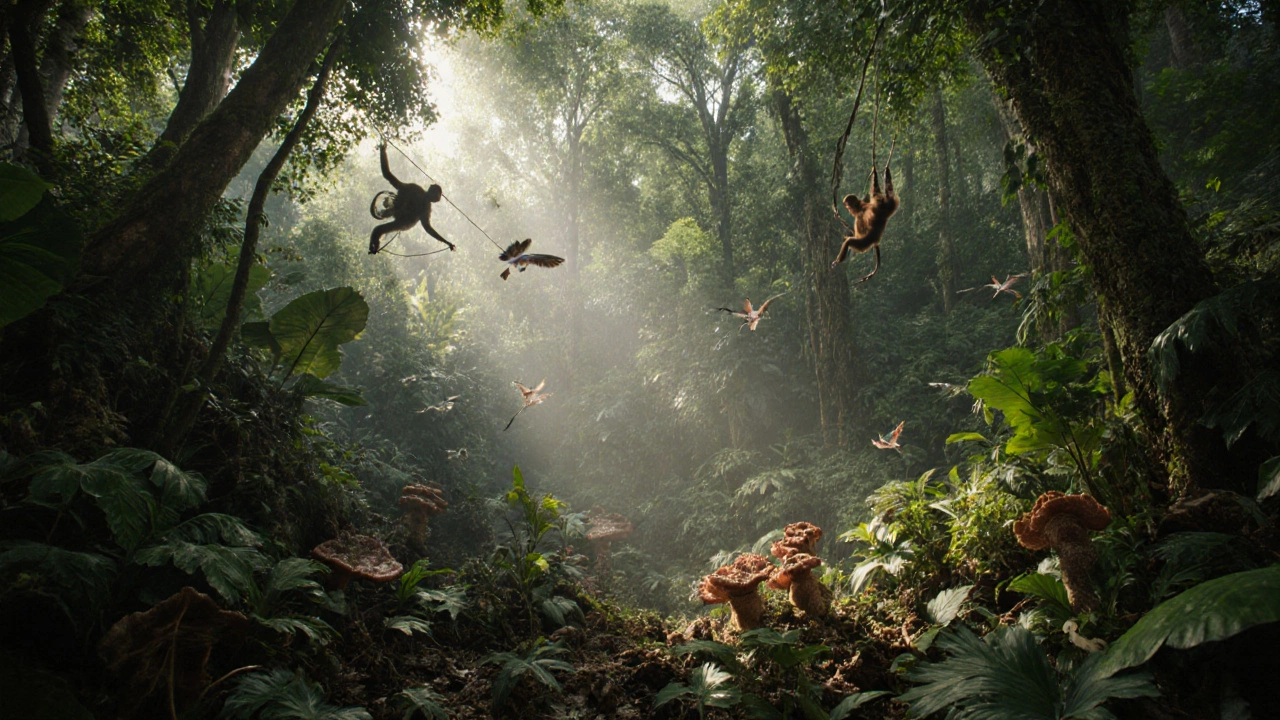
Discover the seven main types of ecosystems - forests, aquatic, deserts, grasslands, tundra, wetlands, and artificial - and how each one supports life on Earth. Understand their roles, threats, and why protecting them matters for everyone.
More© 2026. All rights reserved.