
When someone has treatment-resistant depression, a form of depression that doesn’t improve after trying at least two different antidepressants at adequate doses and durations. Also known as refractory depression, it’s not a sign of weakness—it’s a complex brain condition that needs more than pills to manage. Many people feel alone in this, thinking they’ve failed because standard treatments didn’t work. But the truth? About 30% of people with depression fall into this category, and that’s not rare—it’s common. What matters next isn’t blame, it’s finding what does work.
This is where community support steps in. mental health support, non-clinical, peer-led efforts that provide safety, structure, and connection outside of hospitals and clinics. Also known as community-based mental health initiatives, these groups in Bristol offer things like walking groups, art workshops, and quiet spaces where people can just be without judgment. These aren’t replacements for therapy or medication—they’re the missing piece. When someone’s stuck in depression, isolation makes it worse. A friendly face who gets it, a weekly coffee meet-up, a volunteer who checks in—these small things rebuild a sense of belonging that drugs alone can’t touch.
depression therapy, structured, evidence-based approaches beyond SSRIs, like CBT, TMS, or ketamine-assisted sessions. Also known as alternative depression treatments, these are becoming more accessible through local nonprofits partnering with clinicians. Bristol groups are helping people navigate these options by offering free info sessions, helping with transport to clinics, or even organizing group therapy in community centers. You don’t need to be rich or have insurance to find help here.
And it’s not just about professionals. community mental health, the network of neighbors, volunteers, and local charities that create safety nets for people falling through cracks in the system. Also known as grassroots mental health networks, these are often run by people who’ve been there themselves. They know that recovery isn’t linear. Sometimes it’s a text at 2 a.m. saying, "I’m not okay." Sometimes it’s a free meal after a hospital visit. Sometimes it’s just someone sitting quietly with you while you cry.
If you or someone you know is struggling with treatment-resistant depression, you’re not broken. You’re just in a situation that needs more than one tool to fix. The posts below show how real people in Bristol are building those tools—step by step, group by group, day by day. You’ll find guides on finding the right therapy, how to join a peer support circle, what to ask your doctor when meds fail, and how local charities are filling gaps no government program can reach. This isn’t theory. It’s what’s working right now, right here.
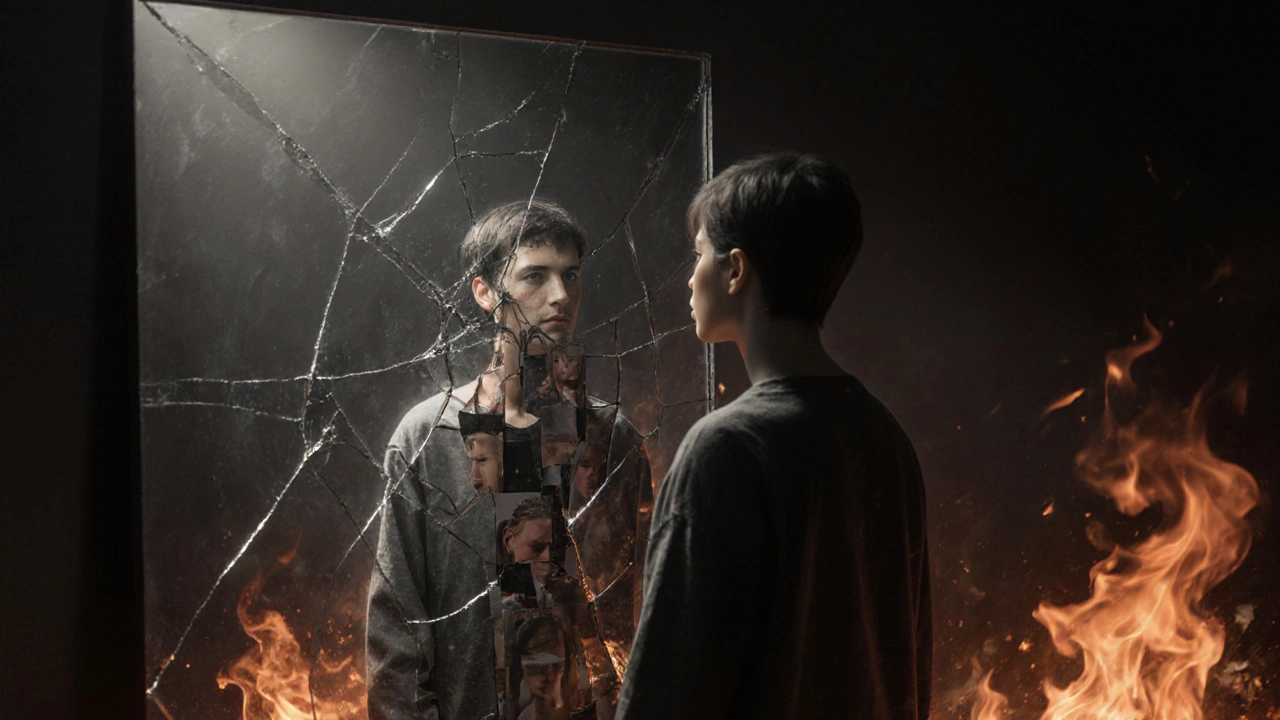
Some mental illnesses are harder to live with than others-not because they're more severe, but because they're misunderstood, underfunded, and ignored. This is what it's really like.
More© 2026. All rights reserved.