
When someone lives with severe mental health conditions, serious, long-term illnesses like schizophrenia, bipolar disorder, or treatment-resistant depression that deeply affect daily life. Also known as serious mental illness, these conditions don’t just mean feeling down—they can make it hard to work, connect with others, or even get out of bed. In Bristol, thousands of people face this every day, often without the right support. It’s not about willpower. It’s about access—to therapy, medication, safe housing, and people who understand.
These conditions don’t happen in a vacuum. They’re tied to homelessness, the lack of stable housing that makes recovery nearly impossible. sleeping rough or living in unsafe cars isn’t a choice—it’s a symptom of broken systems. That’s why community mental health, local efforts that bring care into neighborhoods, not just clinics. peer support networks and food pantries that know someone’s mental health history matter just as much as a psychiatrist’s office. And when volunteers step in, they’re not just handing out sandwiches—they’re offering dignity, routine, and a reason to keep going.
What you’ll find here isn’t theory. It’s real stories and practical tools from people in Bristol who’ve seen this up close. You’ll see how after-school clubs help kids whose parents are struggling, how charity events raise funds for crisis teams, and why volunteer models that treat people like humans—not cases—actually work. These aren’t isolated efforts. They’re the quiet backbone of a city trying to hold itself together.
There’s no single fix for severe mental health conditions. But there are people here trying. And there are ways for you to help—whether you’ve lived it, know someone who has, or just want to do something real. What follows are the stories, guides, and resources that show how Bristol is responding, one step at a time.
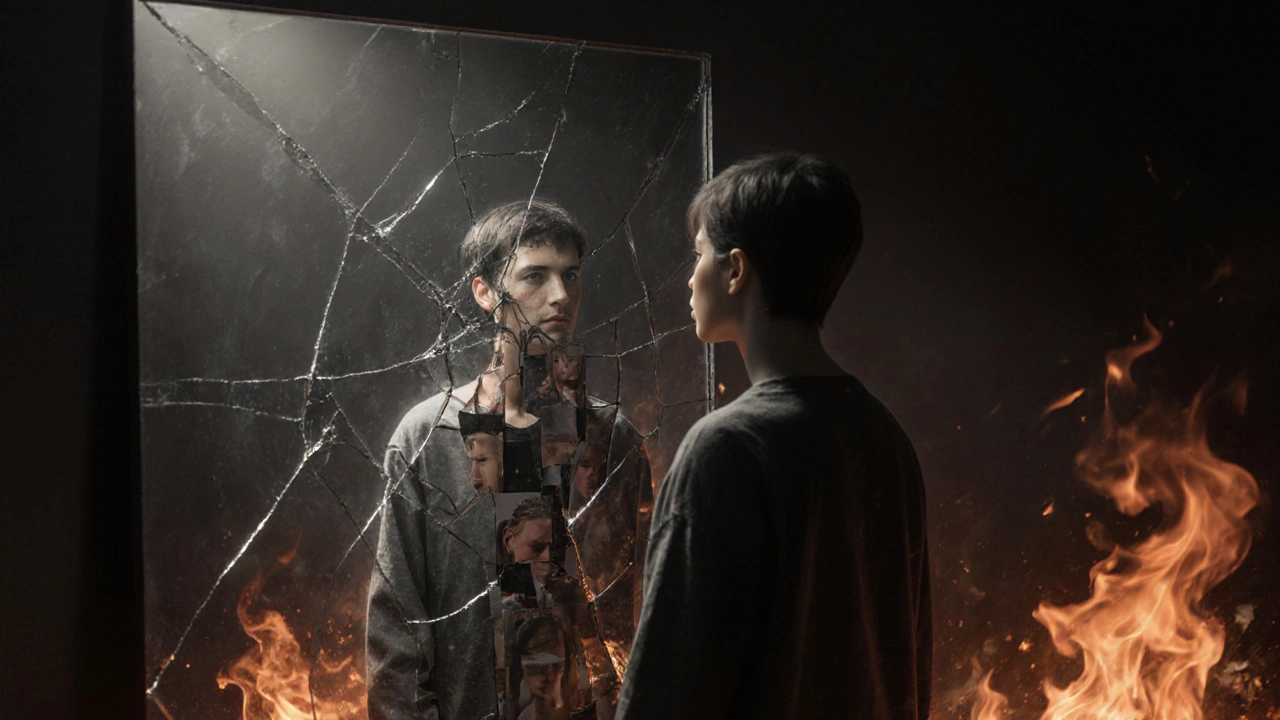
Some mental illnesses are harder to live with than others-not because they're more severe, but because they're misunderstood, underfunded, and ignored. This is what it's really like.
More© 2026. All rights reserved.