
When you’re living with mental illness, a personal, ongoing experience that affects thoughts, emotions, and daily life. Also known as mental health challenges, it’s not a phase, a weakness, or something you can just snap out of. It’s a real condition—and you’re not alone in navigating it. In Bristol, thousands of people manage depression, anxiety, bipolar disorder, PTSD, and other conditions every day. Many do it quietly, without support. Others find strength in local groups, free counseling, peer networks, and community programs designed just for them.
What helps isn’t always therapy or medication—though those matter. Sometimes it’s a warm meal from a food bank that also offers emotional support. Sometimes it’s showing up to a quiet after-school club run by volunteers who understand what it’s like to feel overwhelmed. Or joining a social club where no one asks you to ‘just be happy.’ The community mental health, local networks that connect people with services, peers, and safe spaces in Bristol are quietly changing lives. These aren’t big national campaigns—they’re small groups, church basements, library rooms, and volunteer-led initiatives that show up, day after day.
And it’s not just about getting help—it’s about feeling seen. People living with mental illness often face stigma, isolation, or systems that don’t fit their needs. That’s why local efforts matter so much. A food pantry that doesn’t just hand out meals but also has someone to talk to. A charity event that doesn’t just raise money but creates space for people to breathe. A volunteer program that welcomes people with lived experience as staff, not just clients. These aren’t nice-to-haves. They’re lifelines.
You might be looking for someone who gets it. Or you might be trying to help a friend, neighbor, or family member. Maybe you’re wondering if there’s anything you can actually do. The truth is, there is. Bristol has a growing network of people who’ve been where you are—and they’re building something real. Below, you’ll find stories, guides, and practical steps from others who’ve walked this path. From managing daily routines to finding free support, from volunteering to knowing your rights—this collection is here to help you move forward, one step at a time.
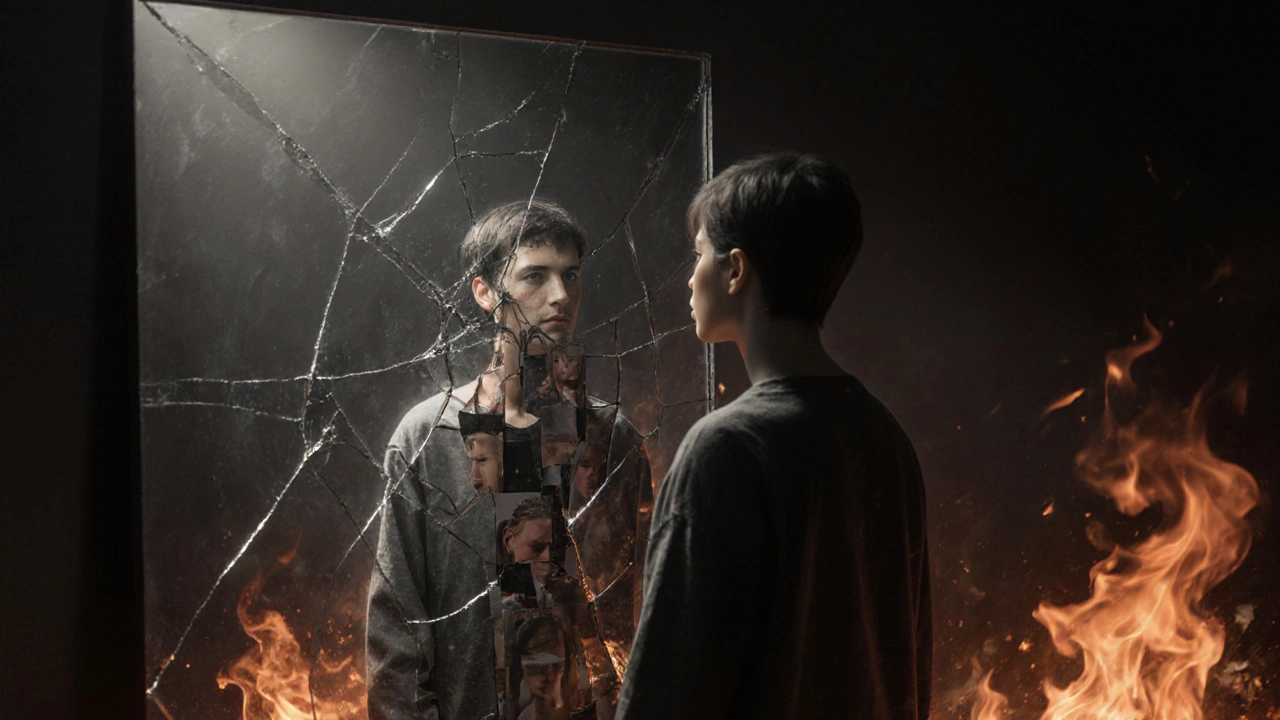
Some mental illnesses are harder to live with than others-not because they're more severe, but because they're misunderstood, underfunded, and ignored. This is what it's really like.
More© 2026. All rights reserved.