
When we talk about a forest ecosystem, a complex network of living organisms and physical elements that interact in a forest environment. Also known as a woodland ecosystem, it includes trees, fungi, insects, birds, mammals, soil microbes, water, and sunlight—all working together to sustain life. This isn’t just nature poetry. It’s the reason we have clean air, stable weather, and even the food on our plates. Forests absorb carbon, filter water, prevent floods, and give homes to over 80% of the world’s land-based species. Without them, everything else starts to break down.
The natural environment, the physical world that exists without human construction, including forests, rivers, and wetlands isn’t some distant wilderness. It’s right here in Bristol, in local woodlands like Leigh Woods and the Avon Gorge. These aren’t just pretty spots for walks—they’re working parts of a larger system. When a forest ecosystem is damaged, it affects local air quality, increases flood risks, and hurts wildlife that communities rely on for recreation and education. That’s why groups like conservation groups, organizations focused on protecting and restoring natural habitats and ecological organizations, groups that study and act on environmental systems to promote sustainability are so important. They don’t just plant trees—they restore soil, remove invasive species, monitor wildlife, and teach people how to live alongside nature, not against it.
You don’t need to be a scientist to help. Many of the people running these groups are volunteers—parents, teachers, students, retirees. They’re the ones clearing litter from forest paths, leading school groups on nature walks, or helping track bird populations. And if you’ve ever wondered why some charities focus on forests instead of just recycling bins, it’s because forests are the foundation. They’re the original climate solution. They’re the reason we can have clean water after a storm. They’re the reason kids can still find beetles under logs after school.
What you’ll find below isn’t just a list of articles. It’s a practical guide to how real people in Bristol are protecting these systems. You’ll see how local environmental groups operate, what kinds of projects actually make a difference, and how you can join in—even if you only have an hour a week. No grand speeches. No impossible goals. Just clear, doable steps to help the forest—and by extension, your own community—thrive.
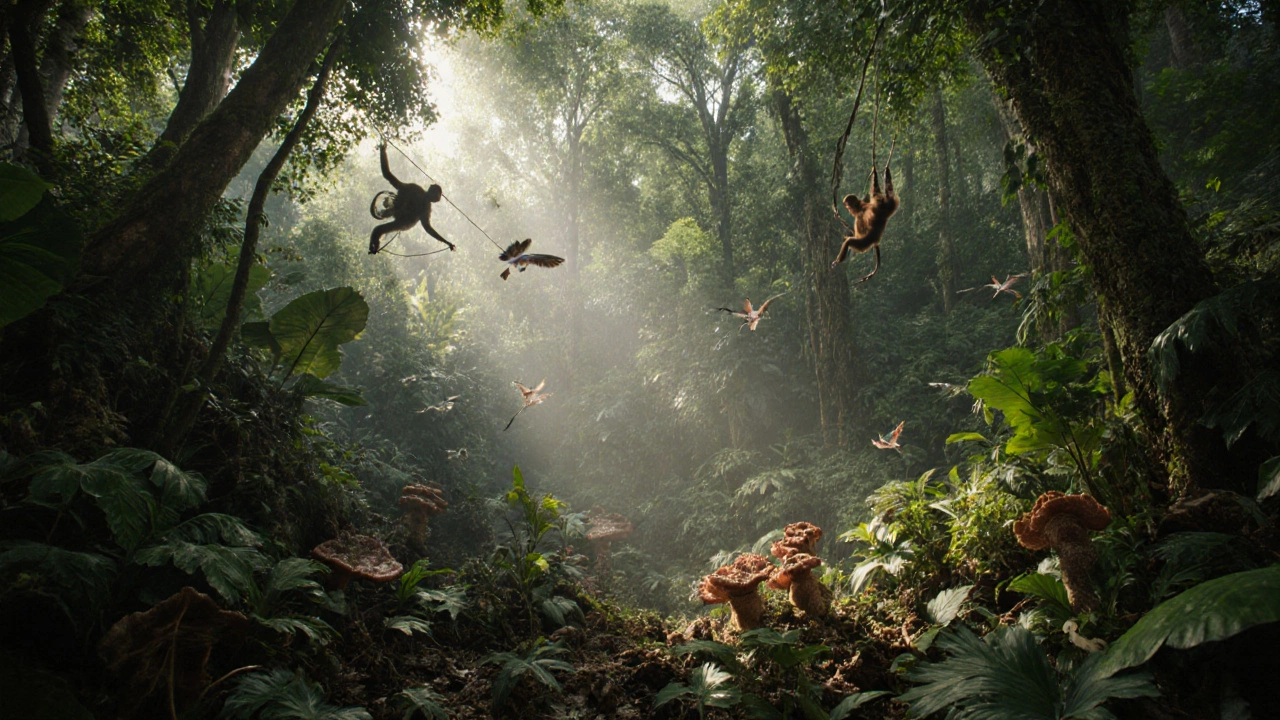
Discover the seven main types of ecosystems - forests, aquatic, deserts, grasslands, tundra, wetlands, and artificial - and how each one supports life on Earth. Understand their roles, threats, and why protecting them matters for everyone.
More© 2026. All rights reserved.