
When aging in place is the goal, elderly home safety repairs, practical changes to a home that reduce risks for older adults. Also known as home modifications for seniors, these aren’t luxury upgrades—they’re life-saving fixes. A simple loose rug, a dim hallway, or a slippery bathtub can turn a normal day into a hospital trip. Over 1 in 4 seniors fall each year, and half of those falls happen at home. Most of these aren’t accidents—they’re preventable.
Real home modifications for seniors, physical changes to reduce hazards like stairs, poor lighting, or uneven floors don’t need to be expensive. Grab bars in the bathroom, non-slip mats, raised toilet seats, and better lighting are low-cost, high-impact. fall prevention, a set of actions and adaptations designed to stop older adults from slipping, tripping, or losing balance is about removing triggers, not just adding equipment. It’s also about layout: removing clutter, installing handrails on both sides of stairs, and making sure switches are easy to reach. Many people don’t realize that a single step into the kitchen or a narrow doorway can be dangerous. Even small gaps between floorboards or worn carpet edges can cause trips.
assistive devices, tools that help older adults move, see, or perform daily tasks more safely aren’t just for people with serious mobility issues. A cane, a shower chair, or a reacher grabber can give someone back their independence. These aren’t signs of decline—they’re tools for freedom. And they’re often covered by local charities, council grants, or NHS programs in the UK. You don’t need to pay out of pocket for everything. In Bristol, organizations offer free home safety assessments for seniors. They’ll walk through your home, point out risks, and tell you exactly what to fix—and sometimes even help install it.
What’s missing from most conversations is the human side. It’s not just about handrails and lights. It’s about dignity. It’s about letting someone cook their own meal, take a shower without help, or walk to the mailbox alone. elderly home safety repairs aren’t about making a house look like a hospital—they’re about making it work better for the person living in it. The goal isn’t to limit movement, but to expand it.
Below, you’ll find real stories and practical guides from people who’ve made these changes—whether they’re a child helping a parent, a neighbor checking in, or a volunteer from a local charity. You’ll learn what fixes actually work, where to get funding, and how to talk to an older loved one about safety without sounding like you’re taking away their independence. These aren’t theoretical tips. They’re the kind of advice you’d get from someone who’s been there.
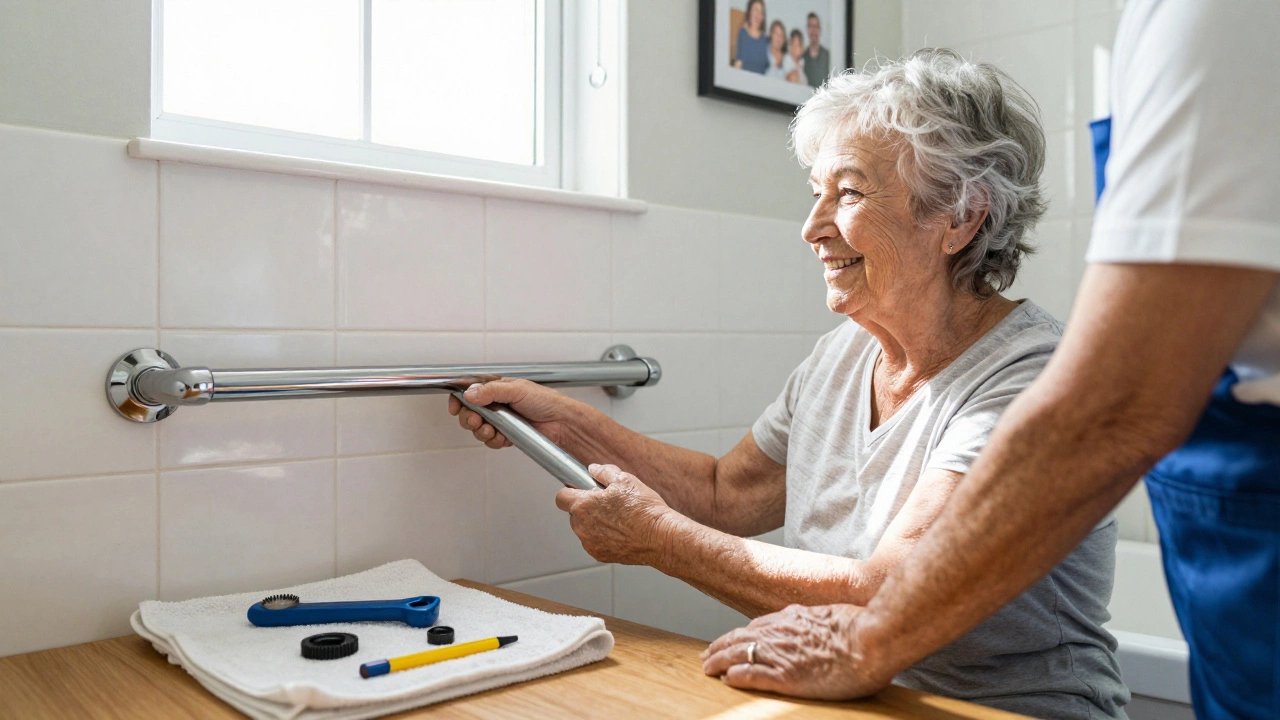
Massachusetts offers free home repair programs for seniors to fix unsafe stairs, leaky roofs, and broken bathrooms. Learn how to apply, what’s covered, and who qualifies-no matter your income.
More© 2026. All rights reserved.