
When you think of community volunteers, people who give their time without pay to help others in their local area. Also known as local helpers, they’re the quiet force behind food pantries, youth clubs, and neighborhood clean-ups. These aren’t just nice people—they’re the backbone of Bristol’s social safety net. Without them, many of the services families rely on simply wouldn’t exist.
Local charities, nonprofit groups that serve specific needs like hunger, housing, or mental health depend on volunteers to run their programs. From packing food boxes at a food pantry, a place where people in need can get free groceries to leading an after-school club, a safe, structured activity for kids after school hours, volunteers fill the gaps that funding alone can’t cover. You don’t need special skills—just time and willingness. Some help once a week, others show up for one big event. Either way, it adds up.
Community outreach, the work of connecting services to people who need them doesn’t happen through ads or flyers alone. It happens because someone knocks on a door, calls a lonely neighbor, or stays late to clean up after a charity event. These actions build trust. And trust is what makes change last. Bristol’s volunteers aren’t just doing tasks—they’re building relationships that keep neighborhoods strong.
What you’ll find here isn’t a list of perfect stories. It’s real talk: why volunteering is dropping, how to start something simple, what actually works in a food bank, and why some kids come home starving after school. These posts come from people who’ve been there—teachers, parents, charity workers, and regular folks who decided to step up. Whether you’re wondering if volunteering is worth your time, or you’re ready to get involved but don’t know where to start, you’ll find something that speaks to you.
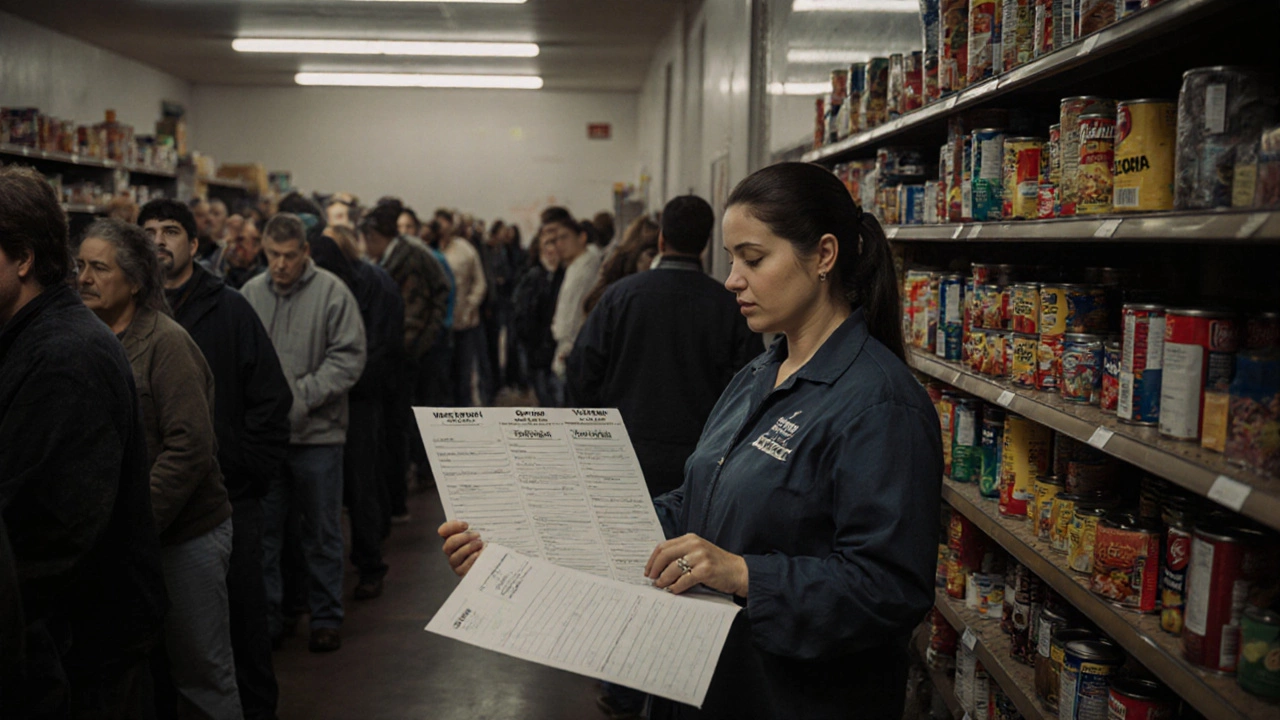
Volunteer numbers are dropping, but it's not because people don't care. The real issue? Outdated models that don't fit modern lives. Here's what's working now-and how you can still make a difference.
More© 2026. All rights reserved.