
When we talk about child nutrition, the daily food and drink that supports a child’s physical growth, brain development, and immune system. Also known as kids nutrition, it’s not just about avoiding junk food—it’s about giving children the right mix of proteins, vitamins, and energy at the right times. In Bristol, where food banks and after-school clubs are stepping up to fill gaps, child nutrition isn’t a luxury. It’s the foundation for every kid’s ability to learn, play, and grow.
Good child nutrition doesn’t mean expensive organic meals. It means consistent access to foods that actually nourish—like eggs, beans, whole grains, and fresh fruit. Many families rely on local food pantries, school meal programs, and community kitchens to make this happen. These aren’t just charity efforts—they’re critical public health tools. When a child skips breakfast because there’s no money for milk, or eats processed snacks because fresh food is too far away, their focus in school drops, their energy fades, and their long-term health risks rise. That’s why groups in Bristol are working to connect families with affordable, nutrient-dense food options, and why after-school clubs are starting to serve simple, healthy snacks instead of chips and soda.
It’s not just about what kids eat—it’s about how they learn to eat. A child who grows up seeing vegetables as normal, not optional, is more likely to carry those habits into adulthood. That’s why programs that teach cooking skills, involve kids in meal prep, or even grow food in school gardens matter so much. These aren’t just fun activities—they’re quiet revolutions in how we think about food. And in Bristol, you’ll find local volunteers and nonprofits doing exactly that: turning food into learning, and meals into moments of connection.
Below, you’ll find real guides from people who’ve been there—how to build a kids club with healthy snacks built in, what foods actually help homeless children, how food pantries decide what to give out, and how to plan a charity event that feeds more than just hunger. These aren’t theory pieces. They’re tools. Used right now, in Bristol, by real families and real volunteers.
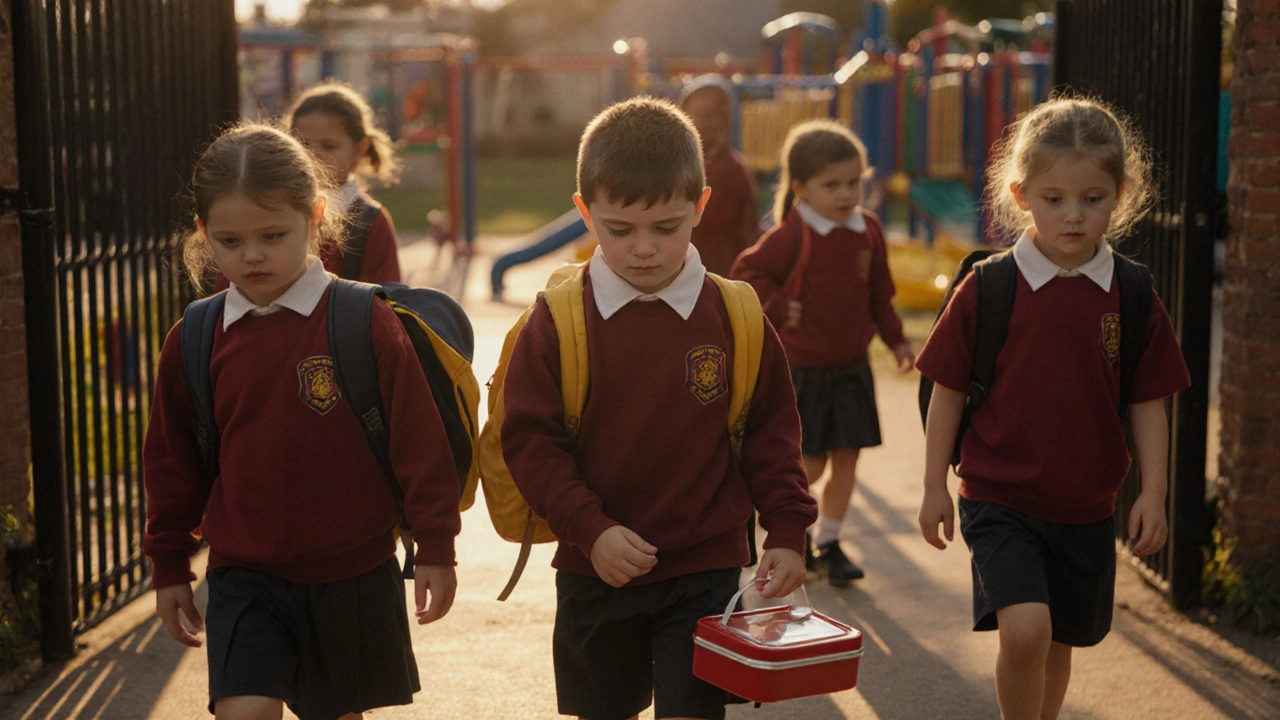
Kids come home starving after school because they’ve gone hours without food-and after-school clubs make it worse. Learn why this happens and what can be done to help.
More© 2026. All rights reserved.