
When talking about the Built Environment, the collection of physical spaces where people live, work and play – from streets and parks to buildings and infrastructure. Also known as constructed environment, it shapes daily life and influences health, mobility and social ties. The Sustainable Design, design approaches that minimise resource use and maximise long‑term performance is a key component, while Urban Planning, the process of organizing land use, transport and services at city scale provides the strategic backbone. Together they create a cycle: the built environment encompasses sustainable design, sustainable design requires thoughtful urban planning, and effective planning influences the quality of the built environment. Built environment initiatives often start with clear goals, such as reducing carbon footprints or improving walkability, and then map out the tools and partners needed to get there.
Beyond design and planning, Green Infrastructure, networks of natural and semi‑natural features like trees, green roofs and wetlands that deliver ecosystem services adds resilience, cleans air and manages stormwater. When communities weave green infrastructure into streetscapes, they boost mental health, support biodiversity and lower energy costs. Community Development, efforts that empower local residents to shape services, housing and public spaces connects people directly to these physical changes, turning passive users into active stewards. The posts below show how volunteers, charities and neighborhood groups turn these ideas into action – from setting up food pantries in shared spaces to launching after‑school clubs that use schoolyards as learning hubs. Understanding how green infrastructure, community development and the built environment intersect helps you spot opportunities to contribute, whether you’re planning a new park, supporting a local food bank or simply advocating for safer streets.
Below you’ll find a curated collection of articles that break down each piece of this puzzle. You’ll see step‑by‑step guides for creating thriving after‑school clubs, practical tips for running food pantries, insights into why volunteering trends shift, and deep dives into environmental groups that reshape neighborhoods. These resources give you concrete examples, handy checklists and real‑world stories you can apply to your own projects, no matter the scale. Dive into the list and start turning the concepts of built environment into tangible improvements in your community.
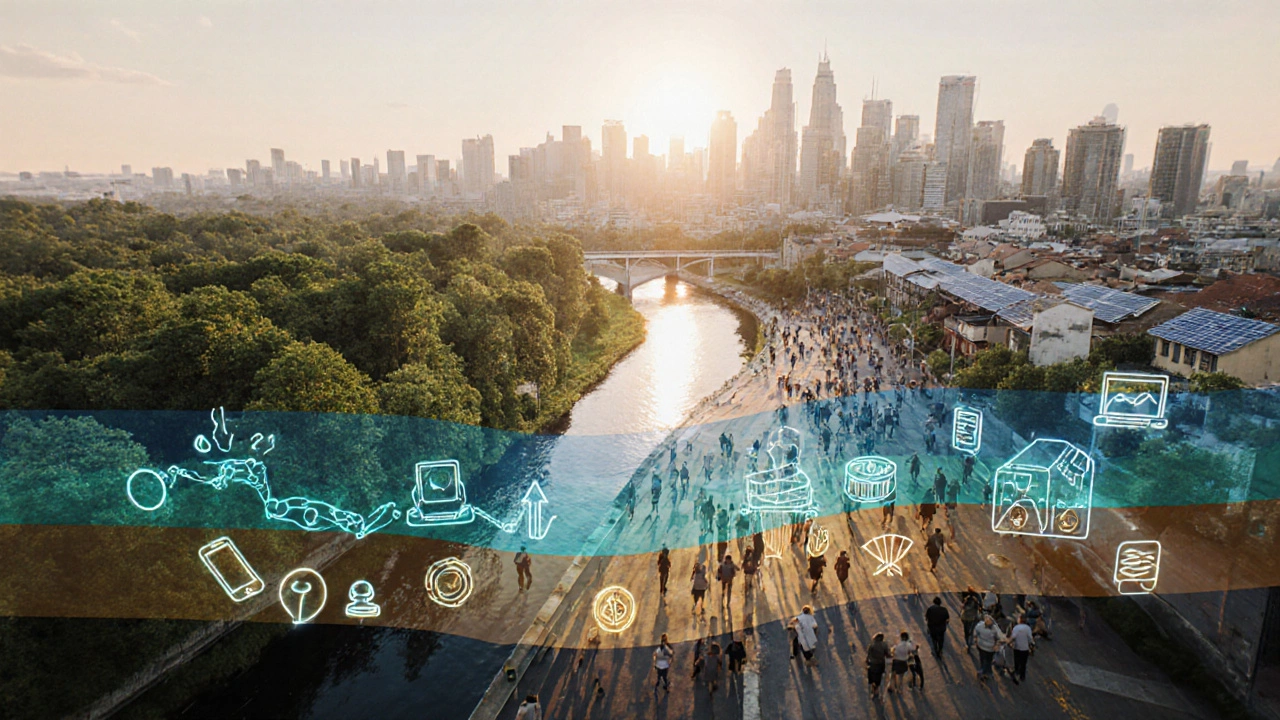
Learn the five key environment types-natural, built, social, digital, and economic-and how they guide effective environmental projects.
More© 2026. All rights reserved.